Summer storms: what to do to recover the water
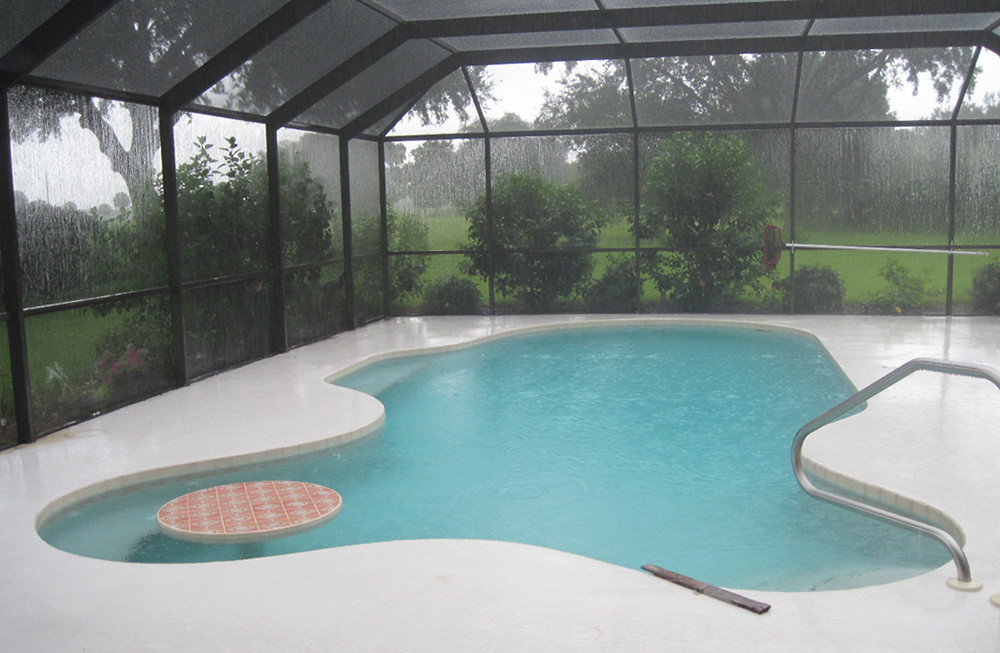
Understanding the Impact of Summer Storms on Pool Water
Summer storms can be a real hassle for pool owners, especially when it comes to maintaining clean and safe water. These intense weather events can bring a lot more than just rain — they can introduce a wide range of contaminants into your pool, which can affect both the water quality and the overall safety of your pool. From dirt and leaves to pesticides and fertilizers, the storm can bring in a variety of substances that can disrupt the delicate chemical balance of your pool water.
According to studies conducted by the Spanish Association of Pool Engineers (AEIP), pools can absorb up to 30% more particles during a severe storm. This means that even if your pool looked clean before the storm, it might not be safe for swimming after the rain. The water can also contain traces of chemicals used in gardening, such as pesticides and fertilizers, which are carried by the rainwater into the pool. These substances can alter the chemical balance of the water, making it less effective for disinfection and increasing the risk of algae growth.
It's important to understand that the impact of a summer storm on your pool isn't just about the amount of dirt and debris it brings in. The water can also experience changes in pH and hardness, which can affect the performance of your filtration system and the condition of your pool's surface. For example, the pH level of the water can fluctuate by up to 1.5 units during a heavy storm, making the water either more acidic or more alkaline. This can lead to skin and eye irritation for swimmers and even damage the pool's surface over time.
How to Clean and Restore Pool Water After a Storm
After a summer storm, the first step in restoring your pool water is to perform a thorough cleaning. This includes skimming the surface of the water to remove any visible debris, such as leaves, insects, and dirt. It's also important to use a pool vacuum to remove any particles that have settled at the bottom of the pool. This helps to prevent the buildup of contaminants that could affect water quality and the effectiveness of your pool's chemical balance.
Once you've removed the visible debris, the next step is to test the water's chemical levels. This includes checking the pH, chlorine levels, and total alkalinity. The pH level is especially important because it affects how well the chlorine works to disinfect the water. If the pH is too high or too low, it can reduce the effectiveness of the chlorine and make the water less safe for swimming. The pH should be maintained between 7.2 and 7.8 for optimal water quality and swim comfort.
Additionally, it's important to check the total alkalinity and calcium hardness levels. These factors can affect the water's ability to maintain a stable pH and can contribute to scaling or corrosion of the pool surface. If the levels are off, you may need to add the appropriate chemicals to bring them back into balance. This ensures that your pool water remains safe and comfortable for swimmers, even after a storm.
Preventing Long-Term Damage from Storms
While it's important to clean and restore your pool water after a storm, it's equally important to take steps to prevent long-term damage. One of the best ways to do this is to maintain a consistent chemical balance in your pool throughout the summer. This includes regularly testing and adjusting the pH, chlorine levels, and total alkalinity to ensure that the water remains safe and comfortable for swimmers.
Another key step is to ensure that your pool's filtration system is working properly. A well-maintained filtration system can help remove contaminants more effectively, reducing the risk of algae growth and other water quality issues. It's also important to clean the filter regularly and replace the filter media as needed to ensure that it continues to function at its best.
In addition to maintaining your pool's chemical balance and filtration system, it's also important to monitor the water temperature. A sudden drop in temperature can affect the effectiveness of the chlorine and can make the water feel colder than usual. This can be especially noticeable in the summer when the water is typically at its most comfortable temperature. By keeping an eye on the water temperature and adjusting the chlorine levels as needed, you can help ensure that your pool remains safe and enjoyable throughout the season.
Protecting Your Pool from Future Storms
While it's impossible to control the weather, there are steps you can take to protect your pool from the effects of future storms. One of the most effective ways to do this is to install a pool cover. A good quality pool cover can help prevent debris from entering the water and can also help keep the water temperature more stable. It's important to choose a cover that is designed for your specific pool size and type, and to ensure that it is properly installed and maintained throughout the summer.
Another important step is to keep your pool's chemical balance in check. This includes regularly testing the water and adjusting the pH, chlorine levels, and total alkalinity as needed. By maintaining a stable chemical balance, you can help prevent the buildup of contaminants and reduce the risk of algae growth. It's also important to use the right type of chemicals for your pool, as using the wrong products can have a negative impact on water quality and pool equipment.
Finally, it's important to have a maintenance schedule in place for your pool. This includes regular cleaning of the pool area, checking the filtration system, and ensuring that all equipment is functioning properly. By staying on top of your pool maintenance, you can help prevent damage from storms and ensure that your pool remains in good condition throughout the summer.
Essential Tips for Pool Maintenance After a Storm
- Skim the surface of the pool to remove visible debris like leaves and insects.
- Use a pool vacuum to clean the bottom of the pool and remove settled particles.
- Test the water's pH, chlorine levels, and total alkalinity to ensure a balanced chemical environment.
- Adjust the pH to between 7.2 and 7.8 for optimal water quality and swim comfort.
- Monitor the water temperature and adjust chlorine levels as needed to maintain effective disinfection.
- Ensure your filtration system is functioning properly and clean the filter regularly.