Basic pool safety for kids and pets
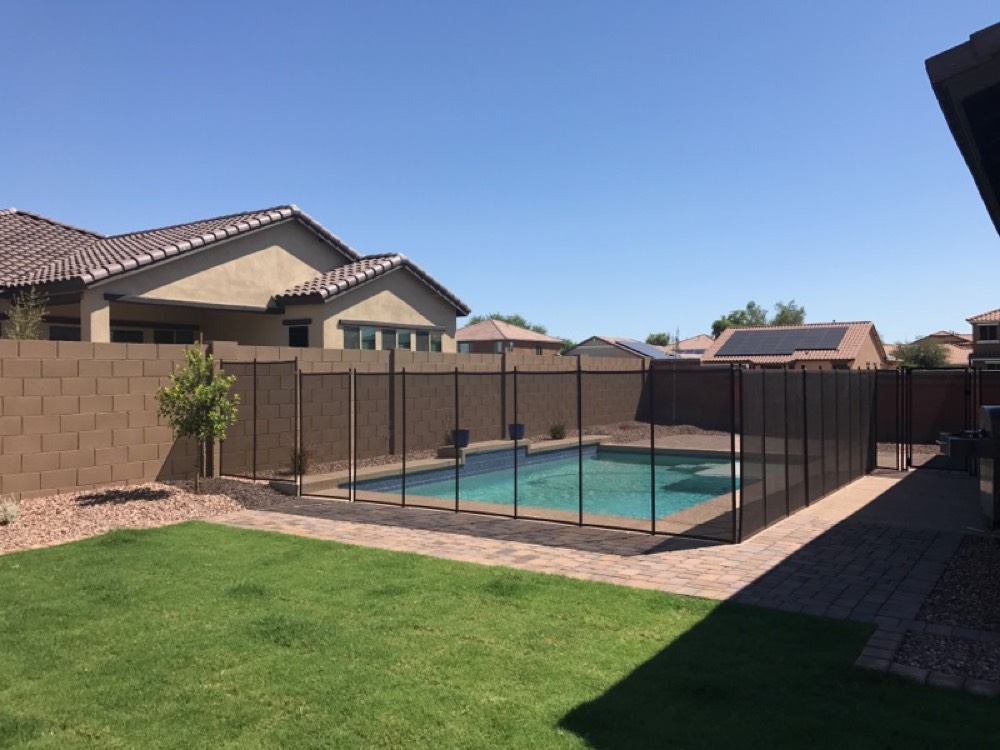
Why Pool Safety Matters for Kids and Pets
When it comes to keeping kids and pets safe, a pool can be both a fun and a dangerous place. While pools offer a great way to cool off and enjoy the water, they also pose serious risks, especially for young children and animals. Every year, more than 100 drowning incidents are reported in Spain, and many of these are linked to unattended pools. Kids under the age of five and pets are particularly vulnerable, which is why it's so important to take the right precautions. Whether you're a parent or a pet owner, understanding the risks and knowing how to prevent accidents can make all the difference in keeping your family safe.
Children, due to their small size and physical development, are more likely to fall into a pool, especially if they're not being watched by an adult. Studies from the Spanish Pediatric Association show that 70% of pool accidents happen when children are alone or with other kids. What's more, young children lack the ability to get out of the water on their own if they're in trouble. For pets, especially dogs and cats, their natural curiosity can lead them to approach a pool without understanding the dangers. A dog might fall into the water and not know how to get out, which can be life-threatening if help isn't quick enough.
That's why taking proactive steps to ensure safety is essential. One of the most important measures is installing a safety barrier around the pool. This barrier should be at least 1.2 meters high and have no gaps that could allow small children to slip through. It should also be locked and not easily openable from the inside. For pets, it's a good idea to provide them with a safe space to play away from the pool. If pets are allowed near the pool, constant supervision is crucial, especially if they don't know how to swim.
How to Keep Kids Safe Around Pools
Constant supervision is one of the most critical steps in preventing accidents involving children around pools. According to the National Institute of Statistics, 85% of pool accidents occur when there's no adult watching. That's why it's important to have an adult present at all times, especially if there are young children or pets in the area. Supervision should be direct and not allow children or pets to be left alone, even for a short time.
For kids, it's important to never leave them unattended in or near the pool, even if they're learning to swim. Swimming requires attention and supervision, and children can have trouble getting out of the water if they feel scared or if something goes wrong. It's also wise to teach kids how to float and how to call for help if they're in trouble. These skills can be lifesaving in an emergency.
Parents should also be aware of the pool's surroundings. Make sure the area around the pool is safe and free from hazards like sharp objects or slippery surfaces. Keep the pool area clear of toys or other items that might distract a child or lead them to the water unsupervised. It's also a good idea to have a first aid kit nearby in case of an emergency. Knowing what to do in case of an accident can make all the difference in responding quickly and effectively.
Protecting Pets from Pool Dangers
Just like kids, pets can be at risk when they're near a pool. While dogs and cats are curious by nature, they don't always understand the dangers of water. A dog might fall into the pool and not know how to get out, which can lead to drowning if help isn't provided quickly. That's why it's important to supervise pets closely, especially if they don't know how to swim.
One of the best ways to protect pets is to keep them away from the pool area. If you have a dog or cat, make sure they have a safe space to play and rest away from the water. If you do allow pets near the pool, always keep them under your watchful eye. It's also a good idea to train your pets to stay away from the pool, using positive reinforcement and clear boundaries. This can help prevent accidental falls or injuries.
For pets that do swim, it's important to know how to respond if they fall into the water. If a pet is in trouble, you should act quickly to get them out. If you're not sure how to do this, it's a good idea to take a pet first aid course or consult with a professional. Being prepared can make all the difference in an emergency. Also, make sure the water in the pool is clean and safe for pets, as some chemicals used in pool maintenance can be harmful to animals.
Additional Safety Measures to Consider
Along with supervision and barriers, there are other steps you can take to make your pool safer for kids and pets. One of the most important is to install a pool cover or a safety net. These can help prevent accidental falls into the water, especially if the pool is not in use. A safety net should be strong and securely attached to the pool, and it should be checked regularly for damage.
Another key measure is to ensure that the pool is properly maintained. This includes keeping the water clean, checking the chemical levels, and making sure the filtration system is working correctly. A clean and well-maintained pool is less likely to cause health issues or accidents. It's also important to keep the area around the pool free from hazards like sharp objects or slippery surfaces, which can lead to injuries.
Finally, it's a good idea to have a plan in place for emergencies. This includes knowing the location of the nearest hospital, having a first aid kit on hand, and making sure everyone in the household knows what to do in case of an accident. Being prepared can help you respond quickly and effectively if something goes wrong. It's also a good idea to take a CPR and first aid course, as these skills can be lifesaving in an emergency.
Key Tips for Pool Safety
- Install a safety barrier around the pool that is at least 1.2 meters high and has no gaps.
- Never leave children or pets unattended near the pool, even for a short time.
- Supervise pets closely if they are allowed near the pool, especially if they don't know how to swim.
- Keep the pool area free from hazards like sharp objects or slippery surfaces.
- Ensure the pool is properly maintained with clean water and correct chemical levels.
- Have a first aid kit and a plan in place for emergencies, including CPR training.