Pool reopening after winter in 7 steps
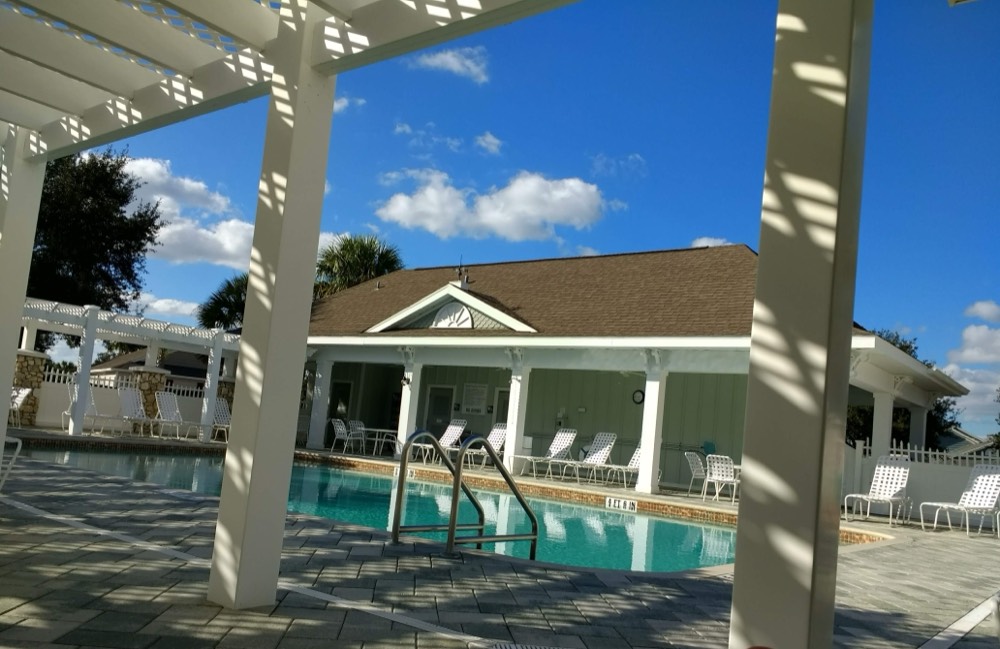
Inspecting the Pool Area and Structure
Before you even think about turning your pool back on, it's crucial to do a thorough inspection of the entire area and the pool itself. This includes checking the structure of the pool, the surrounding area, the walls, the floor, and all the accessories. It's best to do this at the end of winter, before you start any maintenance work. During this process, you should look for cracks, surface damage, or buildup of debris. For example, in a 12-meter pool, you might find a buildup of leaves, branches, or dirt particles that have accumulated over the winter. Also, make sure to check the filtration system and the circulation pump to ensure they're in good condition. If you notice any damage, it's important to repair it before you start cleaning.
Cleaning the Surrounding Area
Another key step is to clean the area around the pool. You need to remove all types of debris that could affect the water quality, such as leaves, insects, or organic matter. In areas with nearby vegetation, it's common for leaves and branches to accumulate, which can create a lot of particles when they fall into the pool. To prevent this, it's recommended to install a safety net around the pool or use a barrier system. Also, make sure the pool is completely drained, as stagnant water can contain microorganisms that could affect the water quality when you reopen the pool. In a 15-meter pool, it can take between 2 and 4 hours to drain it completely, depending on the drainage system. It's important to also check the pool accessories, like the steps, access bars, loungers, and lights. Make sure they're not damaged or dirty. For example, steps can accumulate debris that, if left unchecked, can cause bad smells or even affect the water's hygiene. Also, ensure that the electrical systems are in good condition, especially the underwater lights, which may have gotten wet during the winter. If you're unsure, it's best to contact a professional to check these systems before turning them on.
Preparing the Pool Equipment
Once you've inspected and cleaned the area, it's time to prepare the equipment needed for the pool's reopening. This includes chemical products like chlorine, muriatic acid, and sodium bicarbonate, as well as tools such as brushes, vacuums, and a water test kit. It's a good idea to have an emergency kit on hand, including a pH meter and a filter cleaning tool. Also, make sure you have the pool's manual handy, as different models may have specific requirements. With this preparation, you'll ensure that the reopening process is more efficient and safe.
Draining and Cleaning the Pool
Once the pool is completely drained, the first step is to clean it thoroughly. Start by removing any debris that has settled at the bottom, using a pool vacuum or a long-handled brush. If there are stubborn stains or algae buildup, use a specialized cleaning solution or a pool cleaner. Make sure to clean all the corners and edges of the pool to prevent any buildup that could affect water quality later. If you have a filter, it's important to clean it as well. Turn off the pump and remove the filter cartridge, then rinse it with water to remove any debris. If the filter is heavily clogged, you may need to soak it in a filter cleaner solution to restore its efficiency. After cleaning the filter, make sure to reassemble it properly before turning the pump back on. This step is crucial because a dirty filter can cause the water to become cloudy or contaminated, which could lead to more maintenance down the line.
Testing and Balancing the Water
With the pool cleaned and the equipment ready, the next step is to test and balance the water. Use a water test kit to check the pH, chlorine levels, and total alkalinity. The ideal pH level for a pool is between 7.2 and 7.8, and the chlorine level should be around 1 to 3 parts per million (ppm). If the water is too acidic or too alkaline, it can cause corrosion or scaling on the pool surfaces, which can be expensive to fix. If the chlorine level is too low, it may not be effective at killing bacteria and algae, which can lead to cloudy water and health risks. To adjust the pH, you can use pH increasers or decreasers, and for chlorine, you can add chlorine tablets or liquid chlorine. It's important to make these adjustments gradually, as sudden changes can shock the pool and cause more problems. Once the water is balanced, it's time to start the filtration system and let the water circulate for a few hours to ensure even distribution of chemicals.
Starting the Pool Equipment and Final Checks
After the water is balanced, it's time to start the pool equipment. Begin by turning on the pump and checking for any unusual noises or leaks. Make sure the pump is running smoothly and that the water is circulating properly. If you have an automatic chlorinator, make sure it's set to the correct dosage based on the pool size and usage. It's also a good idea to check the skimmer and the return jets to ensure they're working correctly. If you notice any clogs or blockages, clear them out before proceeding. Once everything is running smoothly, take a final walk around the pool to make sure there are no visible issues, such as leaks, cracks, or debris that may have been missed. This final check ensures that your pool is ready for use and that you're starting the season off on the right foot.
Essential Tips for Pool Reopening
- Inspect the pool and surrounding area for damage or debris before starting any maintenance.
- Drain the pool completely to prevent stagnant water from affecting water quality.
- Check and clean all pool accessories, including steps, ladders, and lights.
- Use a water test kit to balance the pH and chlorine levels before refilling the pool.
- Ensure the filtration system is clean and functioning properly to maintain water clarity.
- Consult a professional if you're unsure about any part of the reopening process.