Fiberglass pools: advantages, disadvantages and what models exist in Spain
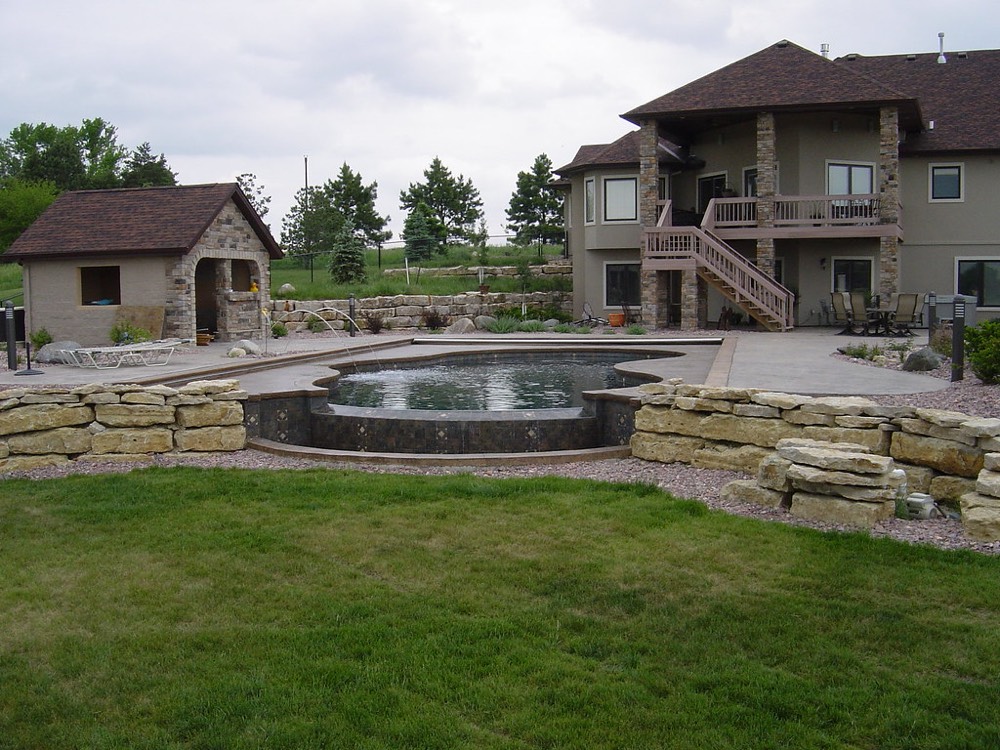
What Are Fiberglass Pools and Why Are They Popular in Spain?
Fiberglass pools have become increasingly popular in Spain due to their versatility, durability, and aesthetic appeal. These pools are constructed using a composite material made from epoxy resin and fiberglass fibers, which gives them a strong yet lightweight structure. Unlike concrete pools, which require a lengthy and costly construction process, fiberglass pools are manufactured in factories and then transported to the installation site, where they are assembled and filled with water. In Spain, these pools are commonly found in urban areas and on smaller plots of land, as they don’t require a solid foundation or a large surface area. One of the standout advantages of fiberglass pools is their versatility in terms of shape and size. They can range from small round pools with a diameter of just 3 meters to longer rectangular pools that can stretch up to 10 meters. For instance, in Madrid, you’ll often see small fiberglass pools in compact backyards, while in southern Spain, larger pools are typically installed to enjoy swimming and relaxation. Additionally, the installation process is relatively quick, often taking just 3 to 5 days, which is a major advantage compared to concrete pools, which can take weeks to build. Another key feature is their resistance to corrosion and damage from water and chlorine. While fiberglass pools are durable, proper maintenance is essential to prevent material degradation over time. In terms of lifespan, a well-maintained fiberglass pool can last between 15 and 25 years, making them a long-term investment. In regions like Andalucía, many families have chosen fiberglass pools for their durability and low maintenance requirements.
Key Advantages of Fiberglass Pools in Spain
Fiberglass pools offer several advantages that make them an attractive option for homeowners in Spain. First and foremost, their installation is significantly faster than that of concrete pools. While concrete pools can take weeks to construct, fiberglass pools are typically installed in just 3 to 5 days, which greatly reduces the time during which the pool is out of commission. For example, in Valencia, many pool companies offer installation services that can be completed in just a few days, which is ideal for families who want to enjoy their pool as soon as possible. Another major benefit is their cost-effectiveness. Fiberglass pools are generally more affordable than concrete pools, both in terms of purchase and maintenance. This makes them a popular choice for homeowners looking to add a swimming pool to their property without breaking the bank. Additionally, the lightweight nature of fiberglass makes them easier to transport and install, which can be particularly beneficial in areas with limited access or tight spaces. Furthermore, the smooth, non-porous surface of fiberglass pools is resistant to algae growth and is easier to clean than concrete pools. This reduces the amount of time and effort required for maintenance. Finally, the aesthetic appeal of fiberglass pools is another key advantage. They can be customized to fit a wide range of architectural styles and can be finished with various colors and designs to match the surrounding landscape. Whether you're looking for a sleek, modern look or a more traditional design, fiberglass pools offer a versatile and stylish solution for your outdoor space.
Disadvantages of Fiberglass Pools in Spain
While fiberglass pools have many advantages, they also come with some notable drawbacks that homeowners in Spain should be aware of. One of the main disadvantages is their higher upfront cost compared to other pool types, such as vinyl-lined pools. Although they are generally more affordable than concrete pools, the initial investment can still be significant, especially when considering the cost of installation and any additional features like heating or filtration systems. Another potential issue is the limited customization options available for fiberglass pools. While they can be manufactured in a variety of shapes and sizes, the design choices are often more limited than with concrete pools, which can be molded to fit almost any shape or size. This can be a drawback for homeowners who have specific design preferences or want to integrate the pool into a more complex landscape. Additionally, fiberglass pools are not as durable as concrete pools in the long term, especially if they are not properly maintained. While they can last between 15 and 25 years with proper care, they are more susceptible to damage from extreme weather conditions, such as heavy rain or strong winds, which can cause cracks or other structural issues. Furthermore, the surface of a fiberglass pool can become dull or cloudy over time, especially if the water chemistry is not properly balanced. This can affect the overall appearance of the pool and may require regular cleaning and maintenance to keep it looking its best. Finally, the installation process, while faster than that of concrete pools, can still be complex and may require professional assistance, which can add to the overall cost and time required to set up the pool.
Popular Models of Fiberglass Pools in Spain
In Spain, there are several popular models of fiberglass pools that cater to different needs and preferences. One of the most common types is the round fiberglass pool, which is ideal for small spaces and offers a classic, timeless look. These pools are often used in urban areas where space is limited, and they are perfect for families who want a simple, functional pool without the need for extensive landscaping. Another popular model is the rectangular fiberglass pool, which is well-suited for larger backyards and provides a more modern, open feel. These pools are often used in regions like the south of Spain, where homeowners enjoy swimming and relaxation in a more spacious setting. In addition to round and rectangular designs, there are also oval and kidney-shaped fiberglass pools that offer a more unique and contemporary aesthetic. These models are particularly popular in areas where homeowners want to create a more distinctive pool that stands out in their outdoor space. For those looking for a more customized option, there are also custom-shaped fiberglass pools that can be designed to fit specific architectural styles or landscape features. These pools are often used in luxury homes or high-end properties where the owner has a clear vision for how the pool should look and function. Another popular model is the multi-level fiberglass pool, which features different depths and terraces, making it ideal for both swimming and relaxation. These pools are often used in larger properties where the owner wants to maximize the use of the space and create a more dynamic swimming environment. Finally, there are also fiberglass pools with built-in features such as spas, waterfalls, and lighting, which add an extra layer of functionality and beauty to the pool area. These models are particularly popular in regions like Andalucía, where homeowners often prioritize both aesthetics and comfort in their outdoor living spaces.
How to Choose the Right Fiberglass Pool for Your Home
Choosing the right fiberglass pool for your home in Spain depends on several factors, including your available space, budget, and lifestyle preferences. First, consider the size and shape of your property. If you have a small backyard or limited space, a round or oval fiberglass pool may be the best option, as they are more compact and can fit into tighter areas. For larger properties, a rectangular or multi-level pool may be more suitable, as they offer more swimming space and can be designed to accommodate different activities. Next, think about your budget. While fiberglass pools are generally more affordable than concrete pools, the cost can vary depending on the size, design, and additional features such as heating or filtration systems. It’s important to compare prices from different manufacturers and installers to ensure you’re getting the best value for your money. Additionally, consider the climate in your region. If you live in an area with extreme weather conditions, such as heavy rain or strong winds, you may want to choose a pool that is more resistant to these elements. Finally, think about your lifestyle and how you plan to use the pool. If you enjoy swimming for exercise, a longer rectangular pool may be more suitable, while a round pool may be better for relaxation and social gatherings. It’s also a good idea to consult with a professional pool installer or designer to get personalized advice and recommendations based on your specific needs and preferences.
5 Tips for Maintaining Your Fiberglass Pool
- Keep the water chemistry balanced by regularly testing and adjusting the pH and chlorine levels.
- Use a high-quality pool cover to protect the pool from debris and reduce the need for frequent cleaning.
- Inspect the pool regularly for signs of damage, such as cracks or leaks, and address any issues promptly.
- Use a pool brush and vacuum to clean the surface and floor of the pool, ensuring that dirt and algae don’t build up.
- Winterize your pool properly by draining the water and covering it to prevent damage from freezing temperatures.
Tips for Choosing and Maintaining a Fiberglass Pool
- Choose a model that matches your available space and family needs, such as a 10x4.5 m pool for larger families or a 7x3.5 m for smaller spaces.
- Ensure the installation site has a clear access path for a crane truck to avoid delays and additional costs.
- Use a high-quality pool cover to protect the gel coat from UV damage and prevent debris from entering the water.
- Regularly test the water chemistry using a reliable test kit to maintain proper chlorine and pH levels.
- Inspect the pool's gel coat annually for signs of yellowing or cracking, and consider applying a UV-resistant sealant if needed.