Fiberglass vs. construction: real cost comparison, maintenance and durability
Introduction: What Is Fiberglass and What Is Traditional Construction in Pools?
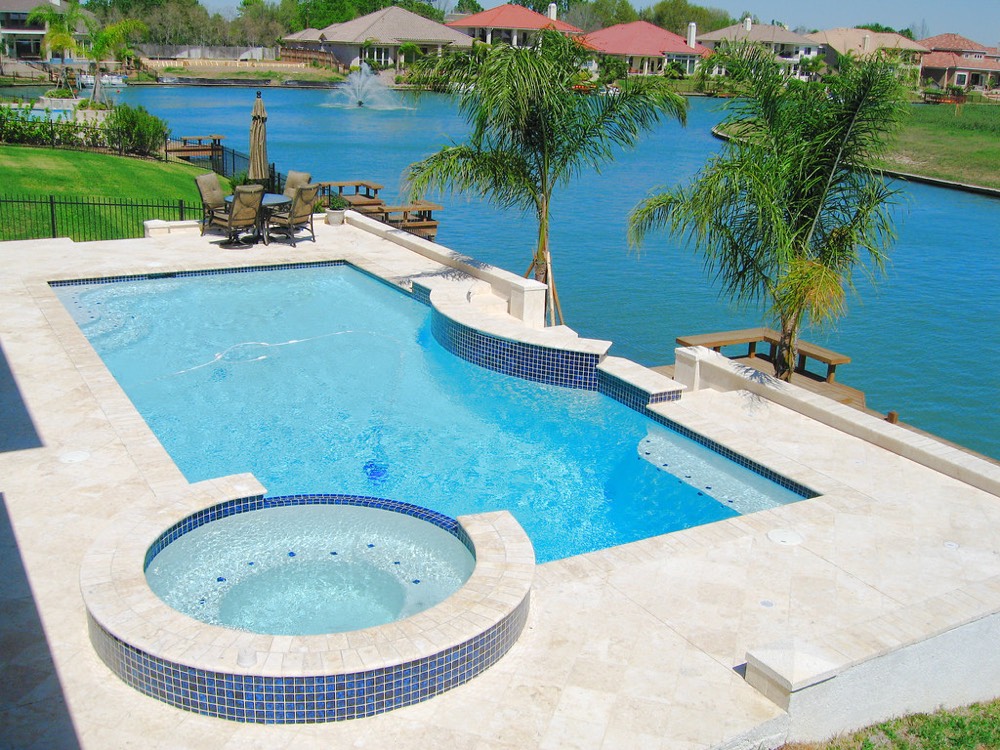
When it comes to choosing the right type of pool for your home, one of the most important decisions you’ll face is whether to go with a fiberglass pool or a traditional concrete pool. Both options have their own set of advantages and disadvantages, and the right choice depends on a variety of factors, including your budget, available space, type of soil, and maintenance needs. Fiberglass pools are a modern and efficient option that has become increasingly popular in recent years, while traditional concrete pools remain the go-to choice in many regions, especially where building with reinforced concrete is more accessible. Both options require careful consideration to make an informed decision. A fiberglass pool is a pre-fabricated structure made from epoxy resin and fiberglass, which is installed on the ground and then filled with water. Its shape is typically rectangular or oval, and it can be customized in terms of size and color. On the other hand, a traditional concrete pool is built on-site using reinforced concrete, masonry, or metal structures, and can have more varied shapes, including curves or free-form designs. Each option has its own unique characteristics, which we’ll explore in the following sections.
Cost: Which Is More Affordable in the Short and Long Term?
The initial cost is one of the most important factors when deciding between a fiberglass pool and a traditional concrete pool. Fiberglass pools tend to have a higher price tag than traditional concrete pools, as their manufacturing process involves specialized materials and a more complex installation. For example, an 8x4 meter fiberglass pool can cost between €15,000 and €25,000, depending on the brand, design, and geographic location. In contrast, a traditional concrete pool of the same size can range from €10,000 to €18,000, making it more affordable for many homeowners. However, cost shouldn’t be evaluated only at the time of purchase—it’s also important to consider the long-term expenses. Fiberglass pools are more resistant to corrosion and damage from water, which reduces the need for maintenance and repairs. On the other hand, traditional concrete pools, although cheaper upfront, may require more investment in maintenance, especially if they are not built correctly. For instance, a poorly constructed concrete pool can develop leaks or structural issues that may require costly repairs, sometimes even a complete rebuild. Additionally, the installation cost varies as well. Fiberglass pools are typically installed more quickly, as they don’t require deep excavation or the assembly of complex structures. Traditional concrete pools, on the other hand, often take weeks to build, depending on the design and site conditions.
Maintenance: Which Requires Less Effort?
Maintenance is another key factor to consider when comparing fiberglass and concrete pools. Fiberglass pools are generally easier to maintain because they are less prone to cracks and leaks, which are common issues with concrete pools. The smooth, non-porous surface of a fiberglass pool also makes it easier to clean and less likely to harbor algae or bacteria. Regular maintenance for a fiberglass pool typically involves balancing the water chemistry, cleaning the filter, and checking for any signs of wear or damage. In contrast, concrete pools require more frequent attention, especially if they are not properly sealed or maintained. Over time, concrete can crack or develop leaks, which can lead to costly repairs. Additionally, the rough surface of concrete can make it more difficult to clean and more susceptible to algae growth. While both types of pools require regular cleaning and water testing, the frequency and complexity of maintenance tasks can vary significantly. For example, a fiberglass pool may only need a quick scrub and chemical balance check once a week, while a concrete pool might require more thorough cleaning and more frequent chemical adjustments. Overall, fiberglass pools are often the preferred choice for homeowners who want a low-maintenance option that still offers a beautiful and functional swimming environment.
Durability: Which Lasts Longer?
Durability is a critical aspect to consider when choosing between a fiberglass and a traditional concrete pool. Fiberglass pools are known for their long lifespan, often lasting 20 to 30 years with proper care. The material is highly resistant to corrosion, UV damage, and chemical degradation, which means it can withstand the harsh conditions of a pool environment for many years. Additionally, the smooth surface of fiberglass makes it less prone to cracking or developing leaks, which are common issues with concrete pools. On the other hand, traditional concrete pools can last anywhere from 15 to 30 years, depending on the quality of construction and maintenance. However, concrete is more susceptible to cracking, especially in areas with extreme temperature fluctuations or poor soil conditions. Over time, these cracks can lead to leaks and structural issues that may require costly repairs. While both types of pools can be durable, fiberglass pools generally offer a more reliable and long-lasting solution, especially in regions with challenging environmental conditions. That said, a well-constructed concrete pool can also provide many years of enjoyment if properly maintained. Ultimately, the choice between the two will depend on your priorities—whether you value long-term durability or are looking for a more affordable option with a shorter lifespan.
Design and Customization: Which Offers More Flexibility?
Design and customization are important considerations for homeowners who want a pool that fits their aesthetic preferences and functional needs. Fiberglass pools are generally more limited in terms of design options, as they are pre-fabricated and come in standard shapes like rectangular or oval. However, they can be customized in terms of color and size, which allows for some degree of personalization. In contrast, traditional concrete pools offer much greater flexibility in design, as they can be built in a wide variety of shapes, including free-form, curved, or even custom designs tailored to the landscape of the property. This makes concrete pools a popular choice for homeowners who want a more unique or customized look. Additionally, concrete pools can be integrated with features like waterfalls, spas, or built-in seating, which can enhance both the visual appeal and functionality of the pool area. While fiberglass pools are more cost-effective and easier to install, they may not offer the same level of design versatility as concrete pools. For homeowners who prioritize aesthetics and customization, a traditional concrete pool may be the better choice, even if it requires a higher initial investment and more maintenance.
5 Tips for Choosing the Right Pool for Your Home
- Consider your budget and long-term costs, including maintenance and potential repairs.
- Think about the size and shape of your property to determine which type of pool will fit best.
- Research local building codes and regulations to ensure your chosen pool is compliant.
- Consult with a professional pool builder or contractor to get expert advice on the best option for your needs.
- Visit different pool showrooms or look at online examples to get a better idea of what each type of pool can offer.
- Ask for references or reviews from previous customers to assess the quality and reliability of the pool builder.
Tips for Choosing Between Fiberglass and Construction Pools
- Inspect the gel coat of a fiberglass pool before installation to ensure it is free from scratches or imperfections, as these can lead to algae growth and reduce lifespan.
- When selecting a construction pool, consider the long-term cost of grout maintenance and potential repairs, especially if you plan to keep the pool for more than 20 years.
- For areas with high water hardness, opt for a fiberglass pool with a reinforced gel coat to prevent scaling and mineral buildup.
- Always hire a professional installer for both types of pools to ensure proper setup, especially for construction pools which require precise leveling and structural support.
- Consider the local climate when choosing between the two; fiberglass pools are generally more resistant to temperature fluctuations and UV damage than traditional construction pools.