Swimming pool construction maintenance: what to do every week, month and season
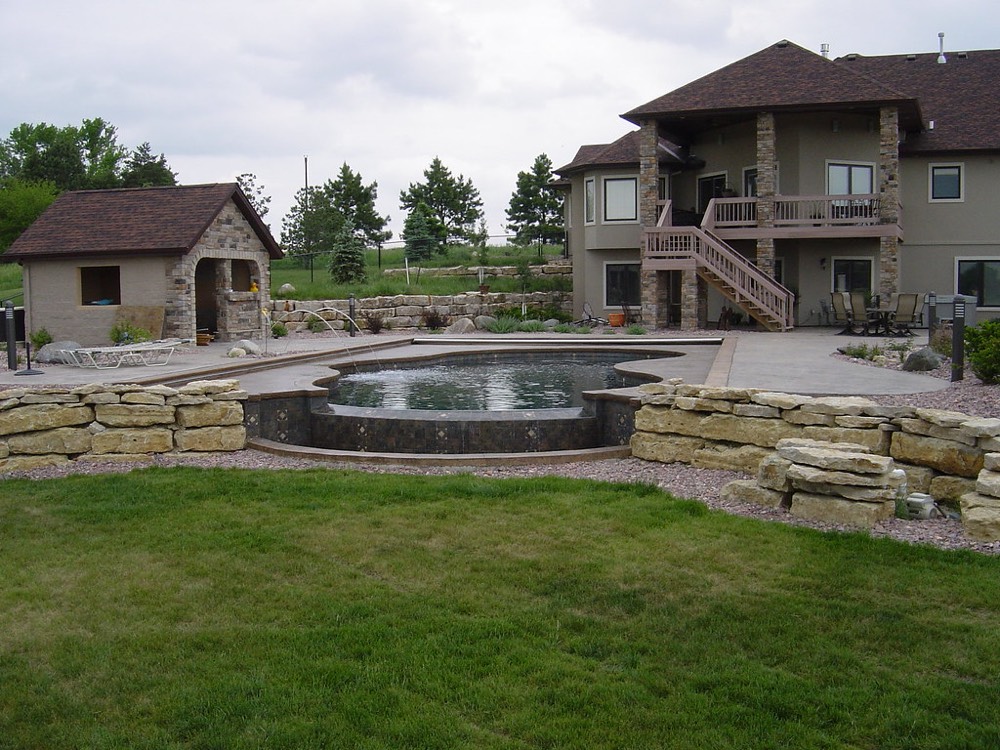
Water Level and pH: The Foundation of Pool Maintenance
Maintaining a newly constructed pool starts with monitoring the water level and pH. Keeping the water level between 10 cm and 30 cm below the top edge of the pool helps prevent excessive evaporation or overloading the filtration system. In warmer climates, it’s a good idea to check the water level at least twice a week, as evaporation can be significant. For example, in a 10-meter-long pool, a loss of 5 cm of water per month can result in an additional 100 liters of water per week, which means you’ll need to top it off regularly.
The pH level is another critical factor. It should be between 7.2 and 7.6 to ensure the chlorine works efficiently and the pool is comfortable for users. If the pH is too high, it can cause skin and eye irritation, while a pH that’s too low can damage the pool surfaces. To adjust the pH, you can use products like muriatic acid or sodium bicarbonate. For instance, if your pH is at 8.0, adding 1 liter of muriatic acid can lower it by about 0.5 points. It’s important to check these levels with a pH test kit every week to keep things balanced.
Along with pH, it’s essential to monitor the total alkalinity, which should be between 80 and 120 ppm. High alkalinity can make it harder to adjust the pH, while low alkalinity can make it more sensitive to changes. To maintain these parameters, you should test the water weekly and adjust the levels as needed. These checks are crucial for preventing damage to the pool and ensuring a safe environment for users.
Pool Cleaning: A Daily and Weekly Task
Pool cleaning is a daily activity that helps keep the water clear and the surfaces free of debris. The first step is to clean the surface, which involves removing leaves, insects, and other debris that might fall into the water. A pool skimmer or a soft-bristled brush can be used for this. It’s recommended to do this at least once a day, especially on windy or rainy days, as these conditions can increase the amount of dirt entering the pool.
Throughout the week, it’s important to check the filter system and make sure it’s clean and free of blockages. The filter should be cleaned every 1 to 2 weeks, depending on how often the pool is used. To clean it, you’ll need to turn off the pump, remove the filter, and rinse it with clean water. In some cases, you might use a specific product to degrease the filter, which can improve its efficiency. For example, a pool that’s used frequently may need more frequent cleaning to maintain optimal performance.
Regular cleaning not only keeps the pool looking good but also helps prevent the buildup of algae and bacteria. A clean pool is more enjoyable and safer for swimmers. Make sure to inspect the filter regularly and replace it if it shows signs of wear or damage. A well-maintained filter is key to a well-maintained pool.
Chemical Balance: Ensuring Safe and Clear Water
Keeping the chemical balance in your pool is essential for both safety and clarity. The right balance of chlorine, pH, and other chemicals ensures the water is safe for swimmers and prevents damage to the pool structure. Chlorine is the primary disinfectant used to kill bacteria and algae, so it’s important to maintain the correct level. The chlorine level should be between 1 and 3 ppm, depending on the pool’s usage and environment.
Along with chlorine, you should also monitor the cyanuric acid level, which helps protect the chlorine from breaking down due to sunlight. A good range for cyanuric acid is between 30 and 50 ppm. Too much can reduce the effectiveness of chlorine, while too little can lead to faster chlorine depletion. To maintain these levels, you should test the water regularly and adjust the chemicals as needed. For example, if the cyanuric acid level is too high, you might need to partially drain the pool and refill it with fresh water.
Other important chemicals include bromine, which is an alternative to chlorine, and algaecides, which help prevent algae growth. These should be used according to the manufacturer’s instructions and in conjunction with regular testing. A well-balanced chemical environment not only keeps the water clear but also extends the life of the pool equipment and surfaces.
Filter and Pump Maintenance: Keeping the System Running Smoothly
The filter and pump are the heart of your pool’s circulation system, so it’s crucial to maintain them regularly. The filter should be cleaned every 1 to 2 weeks, depending on how often the pool is used. To clean it, you’ll need to turn off the pump, remove the filter, and rinse it with clean water. In some cases, you might use a filter cleaner to remove stubborn buildup, which can improve the filter’s efficiency.
It’s also important to check the pump for any signs of wear or damage. A faulty pump can lead to poor water circulation, which can cause algae growth and other issues. Make sure the pump is running smoothly and that there are no leaks or unusual noises. If you notice any problems, it’s best to address them promptly to avoid more serious issues down the line.
Regular maintenance of the filter and pump not only ensures optimal performance but also helps prevent costly repairs. A well-maintained system is essential for keeping the water clean and the pool running efficiently. Make sure to inspect these components regularly and replace them if they show signs of wear or damage.
Seasonal Maintenance: Preparing for the Next Season
As the seasons change, so do the maintenance needs for your pool. In the spring, it’s important to clean the pool thoroughly, check the chemical levels, and ensure the equipment is in good working condition. This is also a good time to inspect the pool’s structure for any signs of damage or wear.
During the summer, the focus shifts to maintaining water balance and ensuring the filtration system is running efficiently. Regular testing and adjustments will help keep the water clear and safe for swimmers. In the fall, you’ll need to prepare the pool for the colder months by draining the water, cleaning the equipment, and covering the pool to protect it from debris and weather.
Winter maintenance is especially important for pools in colder climates. You should drain the water, remove any remaining chemicals, and store the equipment properly. A well-prepared pool will be ready to use again in the spring without any major repairs or replacements. Seasonal maintenance helps extend the life of your pool and ensures it’s always in good condition, no matter the weather.
Essential Pool Maintenance Tips
- Test your water’s pH and chlorine levels at least once a week to ensure they’re within safe ranges.
- Use a pool skimmer daily to remove debris and keep the surface clean.
- Inspect and clean your filter every 1 to 2 weeks to maintain optimal performance.
- Adjust the water level regularly to prevent evaporation and ensure proper filtration.
- Use a pool cover during periods of non-use to protect the water and reduce maintenance needs.
- Check your pump and equipment regularly for signs of wear or damage to avoid costly repairs.
Tips for Effective Pool Maintenance
- Use a digital pH meter for accurate readings and avoid guesswork when adjusting chemical levels.
- Replace pre-filter baskets weekly to ensure optimal water flow and prevent strain on the pump.
- Use a pool brush with a long handle to reach difficult corners and ensure thorough cleaning.
- Check the filter pressure gauge regularly and clean or backwash the filter when it rises above 0.5 bar.
- Inspect the liner and tiles during monthly checks for any signs of wear, such as cracks or peeling, and address them promptly to prevent further damage.