How much does a built-in pool cost? Real budget by sizes and finishes
What Is an In-Ground Pool and Why Is It Important?
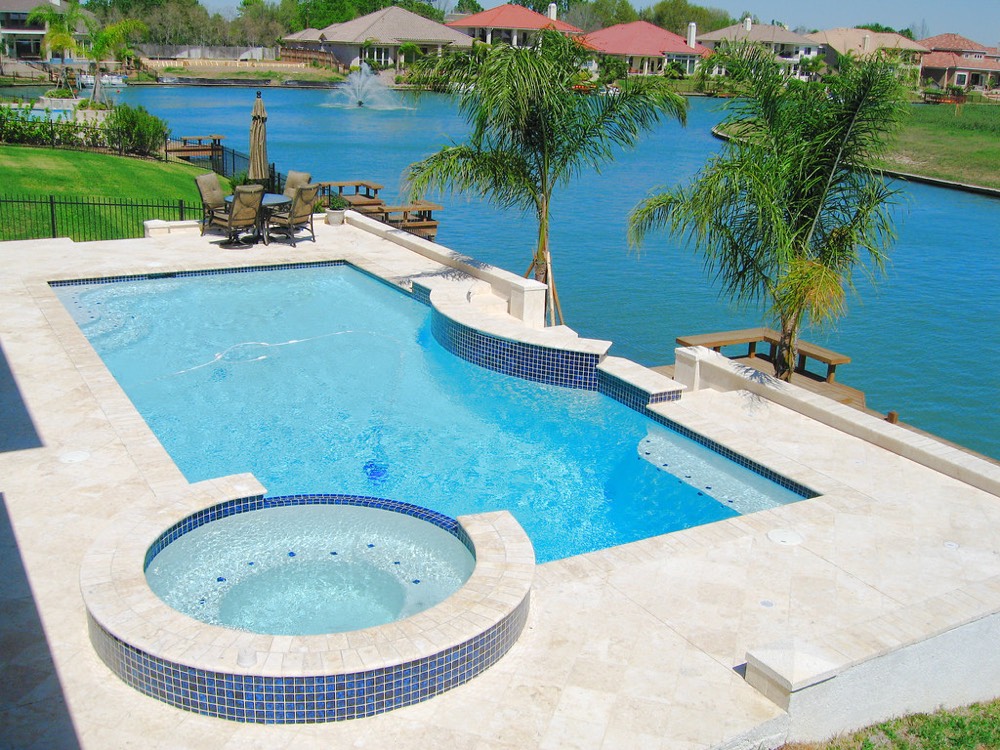
An in-ground pool is a custom-built structure that's constructed directly on your property, rather than being a prefabricated or modular unit. This type of pool offers a high degree of customization, allowing homeowners to tailor the design, size, and finishes to their specific needs and preferences. Unlike prefabricated pools, which are often limited in shape and size, in-ground pools can be designed to fit almost any space, whether it's a large backyard or a compact patio. They can also be integrated seamlessly into the landscape, making them a popular choice for those looking to enhance their outdoor living space.
Building an in-ground pool is a significant investment that requires careful planning, permits, and professional oversight. While the cost can vary depending on several factors, understanding the key elements of the project is essential for making an informed decision. These pools are ideal for homeowners who want a personalized solution that blends functionality with aesthetics. For example, a rectangular pool can be placed in a garden, while an irregularly shaped pool can be designed to fit a terrace or a space with unique contours. Some in-ground pools even include additional features like showers, hot tubs, or relaxation areas, making them a long-term investment in both comfort and property value.
How Long Does It Take to Build an In-Ground Pool?
The construction of an in-ground pool is a multi-step process that typically takes between three to six months, depending on the complexity of the design and the conditions of the site. The first step is obtaining the necessary permits from your local municipality, which is often a legal requirement in many areas. Once the permits are secured, the construction team will begin by excavating the site to prepare for the pool's foundation. This involves removing any existing landscaping or structures and creating the proper shape and depth for the pool.
After the excavation is complete, the next phase involves installing the pool structure, which usually consists of a reinforced concrete base. This is followed by the installation of the pool walls and the application of the chosen finish, such as concrete, tile, or natural stone. The final step is backfilling the surrounding area and landscaping the site to blend the pool into the natural environment. The timeline can be affected by various external factors, such as weather conditions or the availability of materials. For instance, heavy rainfall can delay the excavation process, while supply chain issues might impact the delivery of materials like tiles or concrete. It's important to work with a reliable contractor who can manage these challenges and keep the project on schedule.
What Factors Influence the Cost of an In-Ground Pool?
The cost of building an in-ground pool can vary significantly depending on several key factors. The most important of these is the size of the pool, as larger pools naturally require more materials and labor. In addition to size, the type of soil on your property can also impact the cost, as certain soil types may require additional excavation or reinforcement to ensure the pool's stability. The choice of finishes, such as concrete, tile, or natural stone, also plays a major role in determining the overall price, with more elaborate finishes typically commanding a higher cost.
For example, a standard in-ground pool measuring 8 x 4 meters with a concrete base and tile finish can range from €30,000 to €40,000. A smaller pool, such as one that is 6 x 4 meters with a depth of 1.2 meters and a concrete finish, might cost around €25,000. On the other hand, a larger pool measuring 10 x 5 meters with a tile finish and a relaxation area can easily exceed €50,000. These figures are approximate and can vary depending on the location, the complexity of the design, and the quality of the materials used. It's also worth noting that additional features like water features, lighting, or heating systems can further increase the cost.
How Much Does an In-Ground Pool Cost? A Real Budget Breakdown
When it comes to budgeting for an in-ground pool, it's important to consider both the initial investment and the long-term value it can bring to your home. On average, the cost of an in-ground pool can range from €15,000 to €50,000, depending on the size, design, and finishes. However, this range can be broken down into more specific categories to help you better understand what to expect.
A basic in-ground pool with a simple rectangular shape, a concrete base, and a standard tile finish can fall within the lower end of the price range, typically between €15,000 and €25,000. These pools are often the most cost-effective option for homeowners who want a functional pool without too many additional features. As you move up in size and complexity, the cost increases. For example, a mid-sized pool with a tile finish and some basic landscaping can cost between €30,000 and €40,000. Larger pools, especially those with more elaborate finishes or additional features like a hot tub or a relaxation area, can easily exceed €50,000. It's also worth considering that ongoing maintenance and utility costs should be factored into your overall budget.
How to Budget for an In-Ground Pool
- Start by researching the average cost in your area and compare quotes from multiple contractors.
- Consider the long-term value of the pool, including potential increases in property value.
- Include additional costs like landscaping, fencing, and electrical work in your budget.
- Plan for ongoing maintenance expenses, such as cleaning, chemical treatment, and equipment replacement.
- Consult with a professional to determine the best design and materials for your space and budget.
- Allow for unexpected expenses by setting aside a contingency fund of 10-15% of your total budget.