pH Control in Pools: Everything You Need to Know to Protect the Water, Skin, and Equipment
Understanding pH in Pools: Why It Matters
When it comes to maintaining a clean, safe, and comfortable swimming environment, pH control is one of the most important factors to consider. pH is a measure of how acidic or alkaline water is, and in the context of pools, it refers to the concentration of hydrogen ions (H⁺) in the water. Keeping the pH level in check is essential for several reasons. First, it ensures the water remains balanced and free from harmful chemicals. Second, it protects swimmers’ skin and eyes from irritation. Third, it helps preserve the pool’s surfaces and equipment from damage caused by corrosion or scaling.
The ideal pH range for a residential pool is between 7.2 and 7.6. This range is considered neutral to slightly alkaline, which is perfect for maintaining water quality and comfort. If the pH is too low—meaning the water is too acidic—it can cause skin and eye irritation, along with corrosion of metal parts and other equipment. On the flip side, if the pH is too high—meaning the water is too alkaline—it can lead to the formation of calcium deposits and reduce the effectiveness of chlorine, which is crucial for sanitizing the water.
Several factors can influence the pH level in a pool. These include water temperature, the number of swimmers, exposure to sunlight, and the use of chemicals. For example, as the water temperature rises, the pH tends to increase, which can reduce the effectiveness of chlorine. Conversely, rain or runoff water can introduce minerals that affect the pH balance. Because of these variables, it’s important to monitor the pH regularly to catch any changes early and take corrective action.
How to Measure pH in Your Pool: A Simple Guide
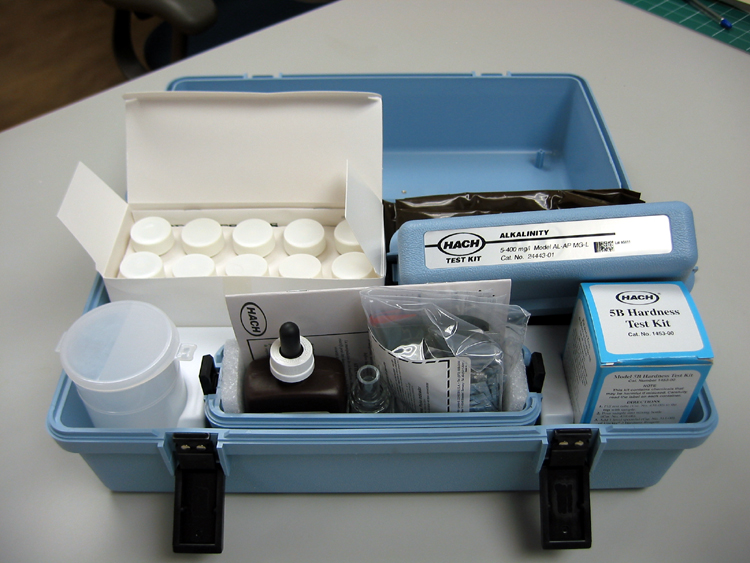
Measuring the pH in your pool is a straightforward process, but it requires attention to detail to ensure accurate results. The most common method is using a pH test kit, which is affordable and easy to use. These kits typically include color-changing strips or tablets that react with the water to indicate its pH level. Once you’ve added the reagent, you compare the resulting color to a provided chart to determine the pH value.
For more precise results, you can use a digital pH meter. These devices offer greater accuracy and are especially useful for pool owners who want to maintain a more consistent pH level. However, they tend to be more expensive than test kits. Regardless of the method you choose, it’s important to follow the manufacturer’s instructions carefully to avoid errors in measurement.
Before taking a pH reading, make sure the water has reached thermal equilibrium. This means the water temperature should be stable and not fluctuating rapidly. You can achieve this by allowing the pool to run for at least 24 hours before testing. Additionally, it’s a good idea to take readings in multiple areas of the pool to get a representative sample. This helps ensure that the pH level is consistent throughout the entire volume of water.
Why pH Balance Is Crucial for Pool Health
Proper pH balance is essential for the overall health of your pool. When the pH is too low, the water becomes acidic, which can cause several issues. It can irritate the skin and eyes, leading to discomfort for swimmers. It can also corrode metal components such as ladders, pumps, and heaters, which can lead to costly repairs. Furthermore, acidic water can reduce the effectiveness of chlorine, making it harder to keep the pool sanitized and free from bacteria and algae.
On the other hand, if the pH is too high, the water becomes alkaline. This can lead to the formation of calcium scale, which can build up on pool surfaces, tiles, and equipment. Scale not only looks unattractive but can also reduce the efficiency of your pool’s filtration system. High pH levels can also cause the chlorine to become less effective, which means you may need to add more chemicals to maintain proper sanitation. In extreme cases, high pH can even lead to cloudy or discolored water, which is not only unappealing but can also indicate an underlying problem with the water chemistry.
Because pH levels can fluctuate due to various factors, it’s important to test and adjust them regularly. A well-balanced pH not only keeps your pool water clear and safe but also helps extend the life of your pool equipment and reduces the need for frequent chemical treatments. This, in turn, saves you time, money, and effort in the long run.
How to Adjust pH Levels in Your Pool
If your pool’s pH is out of balance, there are specific chemicals you can use to bring it back to the ideal range. For acidic water (low pH), you can add a pH increaser, which typically contains sodium carbonate or sodium bicarbonate. These substances help raise the pH level and neutralize the acidity. For alkaline water (high pH), you can use a pH decreaser, which usually contains muriatic acid or sodium bisulfate. These chemicals lower the pH and help restore balance.
When adjusting the pH, it’s important to do so gradually and in small increments. Adding too much at once can cause the pH to swing too far, leading to further complications. It’s also crucial to test the water after each adjustment to monitor the changes and ensure you’re moving toward the target range. Keep in mind that pH adjustments can affect other water chemistry factors, such as total alkalinity and calcium hardness, so it’s a good idea to check those as well.
Another thing to consider is the volume of water in your pool. The amount of chemical you need to add depends on the size of the pool and the current pH level. Always follow the manufacturer’s instructions for dosage and avoid over-treating the water. If you’re unsure about how to adjust the pH, it’s best to consult a professional pool service technician who can provide guidance and ensure the process is done safely and effectively.
Best Practices for Maintaining Optimal pH Levels
Maintaining optimal pH levels in your pool requires consistent effort and attention. One of the best ways to stay on top of your pH levels is to test the water regularly. While daily testing is ideal, testing at least once a week is a good minimum. This allows you to catch any changes early and make adjustments before the pH becomes too far out of balance.
Another important practice is to keep track of your pool’s water chemistry. Keeping a log of your pH readings, along with other parameters like total alkalinity and calcium hardness, can help you identify patterns and trends. This information can be invaluable when troubleshooting issues or planning maintenance schedules.
It’s also wise to invest in a reliable pH test kit or digital meter. These tools make it easier to monitor your pool’s chemistry and ensure that you’re always working within the ideal range. Additionally, consider using a pH stabilizer or conditioner, which can help maintain a more consistent pH level over time.
Finally, don’t forget about the role of proper chemical handling and storage. Always read and follow the instructions on the product labels, and store chemicals in a safe, well-ventilated area. By following these best practices, you can ensure that your pool remains clean, safe, and enjoyable for all swimmers.
5 Tips for Keeping Your Pool pH Balanced
- Test your pool’s pH at least once a week to catch any changes early.
- Use a reliable pH test kit or digital meter for accurate readings.
- Adjust the pH gradually and in small increments to avoid drastic swings.
- Monitor other water chemistry factors like total alkalinity and calcium hardness regularly.
- Keep a log of your pH readings and adjustments to track trends and improve maintenance efficiency.
Tips for Maintaining Optimal Pool pH
- Test the pH level at least twice a week using a reliable test kit or digital meter to catch any fluctuations early.
- When adjusting pH, start with small amounts of chemical and wait 24 hours before retesting to avoid overcorrection.
- Use a pH test strip for quick checks when you're on the go, but always confirm with a more accurate method for critical adjustments.
- Keep a log of your pH readings and chemical additions to identify patterns and make more informed decisions.
- Consider using a pH controller or automatic dosing system for large or commercial pools to maintain consistent levels with minimal effort.