How to build a custom pool: licenses, materials and real timelines
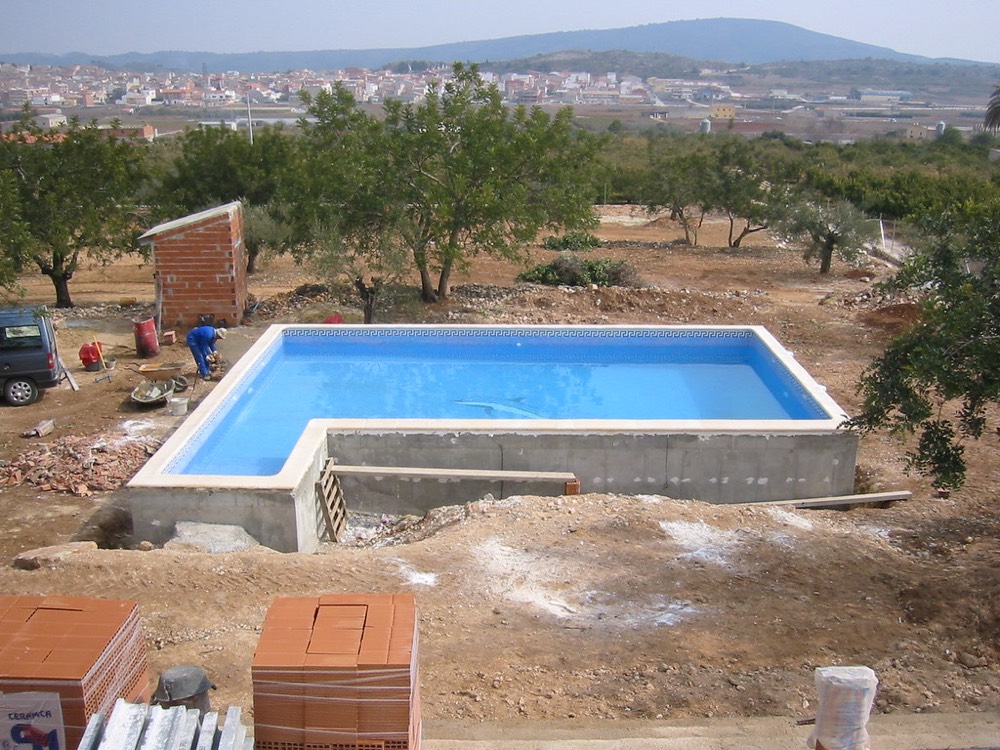
What Is a Custom-Built Pool and Why Is It a Great Option?
Building a custom pool is a fantastic way to create a space that's perfectly tailored to your lifestyle, preferences, and property. Unlike pre-fabricated or modular pools, which come in standard sizes and designs, a custom-built pool is constructed directly on your property. This allows for a high degree of customization—everything from the size and shape to the materials and finishes can be adapted to suit your needs. These pools are often more durable and visually integrated into the surrounding landscape, as they can be built using reinforced concrete, masonry, or specialized finishes. However, the process requires careful planning, as it involves a significant investment of time and resources. On average, the entire construction process can take anywhere from six to twelve months, depending on factors like the complexity of the design, the availability of materials, and the weather conditions. For example, in areas with heavy rainfall, construction can be delayed due to the need to protect the work and wait for optimal conditions for the concrete to set. While custom-built pools offer a lot of flexibility, they also come with greater responsibility in terms of compliance with regulations, safety, and long-term maintenance. That’s why it’s essential to work with a qualified professional who can oversee every stage of the project, from the initial design to the final installation.
Obtaining Permits and Licenses
Before you even start building your custom pool, you need to make sure you have all the necessary permits and licenses. In most regions, you’ll need a building permit, which can be obtained either through your local municipality or the regional government, depending on where you live. For instance, in Andalucía, you’ll need to apply for the building permit at your local town hall, while in Catalonia, you can submit the application through the Urban Planning Office. The approval process can take anywhere from one to three months, depending on the complexity of the project and the workload of the local office. You’ll need to provide a detailed technical project that includes architectural, structural, and layout plans for the pool, as well as an environmental impact report if the pool exceeds certain cubic meter limits. In some cases, you may also need approval from your building association if the pool is being constructed in a residential complex. Additionally, you might need a land use permit, especially if the pool is being built on land that isn’t currently designated for such a use. For example, in urban areas, you may need to prove that the land is suitable for a pool. In some regions, you might also need authorization for the installation of plumbing and electrical systems.
Choosing the Right Materials and Construction Techniques
Selecting the right materials and construction techniques is crucial for the longevity and aesthetics of your custom pool. The foundation of your pool will typically be built using reinforced concrete, which provides strength and durability. However, you can also opt for masonry or specialized finishes to enhance the visual appeal. For example, some homeowners choose to use natural stone or tile to create a more rustic or modern look. The choice of materials will also affect the overall cost and maintenance requirements of the pool. Reinforced concrete is the most common and cost-effective option, but it may require more maintenance over time compared to materials like fiberglass or vinyl. When it comes to construction techniques, there are several options to consider. One popular method is the shotcrete technique, which involves spraying a mixture of concrete and aggregates onto a formwork to create a smooth, seamless surface. Another option is the traditional wet cast method, where the pool is built using formwork and poured concrete. Each technique has its own advantages and challenges, so it’s important to work with a professional who can guide you through the best options for your specific project.
Realistic Timelines for Building a Custom Pool
Understanding the realistic timelines for building a custom pool is essential for managing your expectations and planning your project effectively. The entire process can take anywhere from six to twelve months, depending on various factors such as the complexity of the design, the availability of materials, and the weather conditions. For example, if you’re building a pool with intricate features like waterfalls, slides, or intricate landscaping, the timeline may be extended due to the additional work involved. Similarly, if there are delays in obtaining permits or if the weather is unfavorable, the construction schedule can be affected. It’s also important to consider the time required for each phase of the project. The initial planning and design phase can take a few weeks to a couple of months, followed by the excavation and foundation work, which typically takes a few weeks. The actual construction of the pool, including the installation of the liner and the finishing touches, can take several weeks to a couple of months. Finally, the installation of the filtration system, pumps, and other equipment, as well as the final testing and cleaning, can add another few weeks to the timeline. To ensure a smooth process, it’s best to work with a professional who can help you create a realistic schedule and manage any potential delays.
Key Considerations for a Successful Custom Pool Project
Building a custom pool is a significant investment, and there are several key considerations that can help ensure the project is successful. First and foremost, it’s important to work with a qualified and experienced professional who can guide you through every stage of the process. This includes the initial design, obtaining the necessary permits, selecting the right materials, and overseeing the construction. A good contractor will not only have the technical expertise but also the ability to communicate effectively and manage the project efficiently. Another important consideration is the budget. Custom pools can vary widely in cost, depending on the size, design, and materials used. It’s essential to have a clear understanding of your budget and to plan for unexpected expenses. Additionally, it’s important to consider the long-term maintenance and operational costs of the pool. This includes the cost of chemicals, equipment, and regular maintenance. Finally, it’s important to think about the overall impact of the pool on your property and the surrounding environment. A well-designed pool can enhance the aesthetic appeal of your home and provide a valuable recreational space, but it’s also important to ensure that it’s built in a way that is sustainable and environmentally responsible.
5 Tips for a Smooth Custom Pool Project
- Start with a detailed plan and design to ensure everything is in place before construction begins.
- Obtain all necessary permits and licenses early in the process to avoid delays.
- Choose materials and construction techniques that are both durable and suited to your aesthetic preferences.
- Work with a qualified and experienced contractor who can manage the project from start to finish.
- Plan for the long-term maintenance and operational costs to ensure the pool remains a valuable asset for years to come.
Tips for Building a Custom Pool
- Before starting the excavation, ensure the site is free of underground utilities and obtain any necessary permits from local authorities.
- Use a professional surveyor to mark the exact location and dimensions of the pool to avoid costly mistakes during construction.
- Consider the slope of the land when planning the pool layout to ensure proper water drainage and prevent pooling around the structure.
- Choose a waterproofing membrane that is compatible with the type of liner you plan to use, such as EPDM or PVC, to avoid future leaks.
- Plan for a dedicated maintenance area near the pool, including access to cleaning equipment and chemical storage, to simplify ongoing care.