How to reduce water consumption without losing quality
Optimize Water Use in Pool Cleaning
Cleaning your pool is a routine task that can use a lot of water, especially if you're using traditional methods. However, there are more efficient ways to reduce water consumption without sacrificing water quality. One of the most important steps is surface cleaning. Instead of running your pool’s circulation system continuously, consider using a manual cleaning pump that only activates when needed. This reduces the amount of time the water is circulating, which in turn lowers water usage. For instance, if you typically run the circulation system for 8 hours a day, you could cut that down to 2-3 hours without affecting water quality. This simple change can make a big difference in your overall water usage.
Additionally, it's important to clean the pool surface with a wooden broom or a soft-bristle brush to avoid damaging the surface and reduce the need for chemicals. These tools are gentle on the pool’s surface and help maintain its integrity over time. You can also use an automatic cleaning system that only activates when necessary, which saves both water and time. These systems are designed to detect when cleaning is needed and operate efficiently, ensuring that you’re not wasting water on unnecessary cycles.
Use High-Efficiency Filters
Another key step in reducing water consumption is using a high-efficiency filter. Traditional filters can require more water to maintain water quality, while high-efficiency filters are more cost-effective and use less water. For example, a high-efficiency filter can reduce water consumption by up to 30% while improving water quality. These filters are designed to capture more contaminants with less water flow, making them an excellent choice for pool owners looking to save water without compromising cleanliness.
It’s also important to keep your filter clean and well-lubricated, as a dirty filter can reduce system efficiency and increase water usage. Regular maintenance is key to ensuring your filter operates at its best. We recommend cleaning your filter every 2-3 weeks, depending on how often the pool is used. This not only helps you save water but also extends the lifespan of the filter and improves the overall quality of the water. A well-maintained filter is essential for a clean, safe swimming environment.
Monitor Water Levels Carefully
Keeping the water level in your pool at the right height is crucial for maintaining water quality and reducing water consumption. If the water level is too high or too low, it can affect the water quality and increase the need for water. For example, if the water level is too high, it can lead to increased evaporation, which means you’ll need to refill the pool more frequently. On the other hand, if the water level is too low, it can damage the filtration system and cause the pool to use more water.
It’s recommended to keep the water level between 10-15 cm above the edge of the pool. This helps prevent excessive evaporation and maintains the quality of the water. Regularly checking the water level is especially important in areas with dry climates or during hot seasons when evaporation rates are higher. By keeping the water level within this range, you can ensure that your pool remains clean and efficient without using more water than necessary.
Use the Right Amount of Chemicals
Improving water quality without increasing water consumption also involves using the right amount of chemicals. Chemicals like chlorine, muriatic acid, and algaecides are essential for keeping your pool clean and safe, but using too much can lead to unnecessary water usage. For example, overuse of chlorine can cause the water to become too harsh, requiring more frequent water changes or dilution. This not only increases water consumption but can also affect the overall balance of the pool.
It’s important to follow the manufacturer’s guidelines and test the water regularly to determine the correct chemical levels. Using the right amount of chemicals ensures that your pool remains clean and safe without overusing water. Additionally, using a water test kit can help you monitor pH levels and other important factors, allowing you to make adjustments as needed. By maintaining proper chemical balance, you can reduce the need for frequent water changes and save water in the long run.
Implement Smart Water Management Practices
Smart water management practices can help you reduce water usage while maintaining high water quality. One effective strategy is to use a pool cover when the pool is not in use. A pool cover can significantly reduce evaporation by up to 90%, which means you’ll need to refill the pool less often. This not only saves water but also helps keep the water temperature more stable, reducing the need for additional heating.
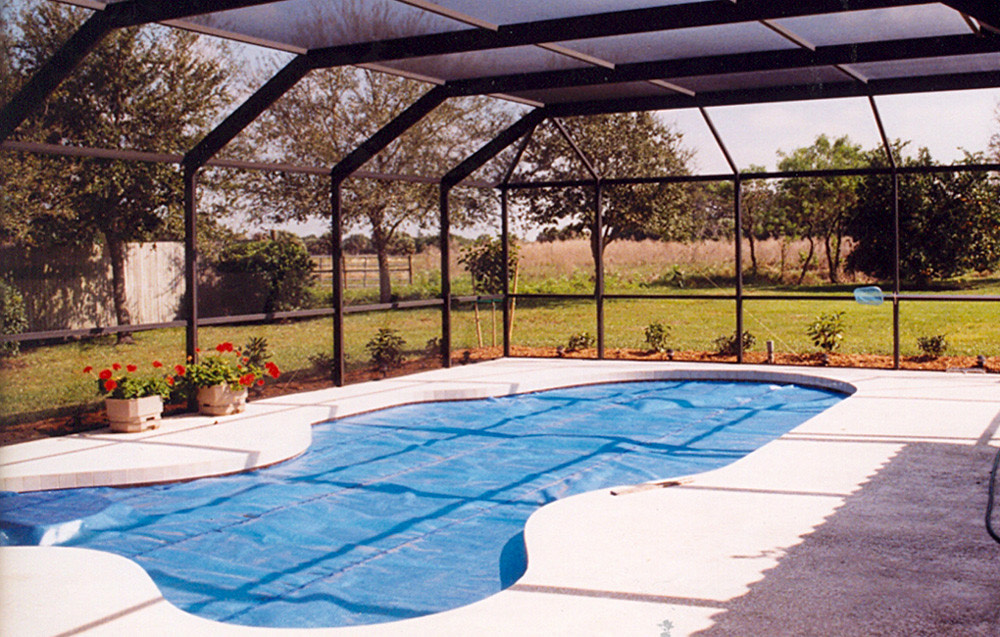
Another smart practice is to use a solar blanket or a solar cover. These covers work by trapping heat and reducing evaporation, which can help maintain water temperature and reduce the need for frequent water refills. Additionally, using a solar cover can help prevent debris from entering the pool, reducing the need for frequent cleaning and chemical use. These simple yet effective tools can make a big difference in your overall water usage and help you maintain a clean, safe swimming environment.
5 Tips to Save Water and Improve Pool Quality
- Use a manual cleaning pump instead of running the circulation system continuously.
- Keep your filter clean and well-lubricated to improve efficiency and reduce water use.
- Monitor and maintain the water level between 10-15 cm above the edge of the pool.
- Use the correct amount of chemicals and test the water regularly to maintain balance.
- Install a pool cover or solar blanket to reduce evaporation and save water.
Tips for Reducing Water Consumption
- Install a pool cover that is properly sealed to prevent evaporation and reduce the need for frequent refills.
- Use a pool vacuum with a filter system to clean the bottom of the pool efficiently, reducing the need for chemical treatments and water replacement.
- Check your pool's pH and alkalinity levels regularly with a test kit to maintain balance without overusing chemicals.
- Use a timer for your pool pump to ensure it runs only when necessary, which helps conserve energy and water.
- Consider using a water-saving pool cleaner that uses less water and is designed for efficient circulation.