How to choose a cover that really takes you less time
What Is a Pool Cover and Why Is It Important?
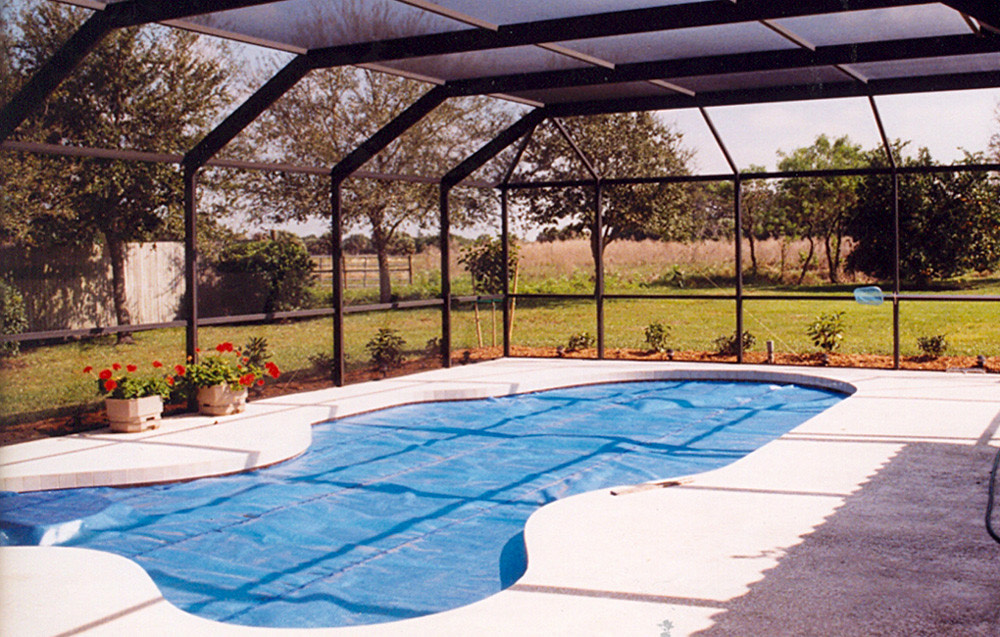
A pool cover is a protective structure placed over the surface of your pool water to shield it from rain, dirt, insects, and dust. It also helps keep the water clean and reduce evaporation, which can save up to 30% of your water usage in a year. However, not all pool covers are created equal, and choosing the right one can make a big difference in the time you spend maintaining your pool and the efficiency of your system. While price and appearance might be tempting factors to consider, they shouldn’t be the only ones. There are several other important elements to take into account, such as the type of pool you have, your local climate, how often you use the pool, and the amount of time you’re willing to invest in its maintenance.
For example, if you have an 8-meter-long pool in a humid area, you’ll need a cover that’s more durable and has better sealing than someone with a 4-meter pool in a dry region. The right cover can make a huge difference in how easy it is to maintain your pool and how much time you save in the long run.
Types of Pool Covers and Their Pros and Cons
There are several types of pool covers to choose from, each with its own set of advantages and disadvantages. The most common options include plastic covers, polyethylene covers, fabric covers, vinyl covers, and metal-framed covers. Understanding the differences between these types can help you make a more informed decision about which one is best for your needs.
Plastic covers are typically the most affordable option, but they can degrade over time if not properly maintained. They’re great for short-term use or for those who want a budget-friendly solution. However, they may not be the best choice for long-term protection or in harsh weather conditions.
Polyethylene covers are a popular choice because they’re durable, weather-resistant, and relatively easy to install. They’re also more affordable than some other options, making them a good middle ground between cost and performance. However, they still require regular cleaning and maintenance to ensure they stay in good condition.
Fabric covers are lightweight and easy to handle, but they offer less protection against rain and dirt. They’re a good option for those who want a more flexible solution or who don’t mind a bit more effort in maintenance. However, they may not be the best choice for areas with heavy rainfall or high humidity.
Vinyl covers are known for their durability and resistance to UV rays, making them a great option for those looking for a long-lasting solution. They’re also more resistant to tearing and punctures, which is a big plus for pool owners who want a cover that can withstand the elements. However, they can be more expensive and may require more time and effort to install.
Metal-framed covers are the most durable and offer the best protection against the elements. They’re ideal for those who want a long-term solution that requires minimal maintenance. However, they can be more expensive and may be more difficult to install, especially for those who aren’t familiar with the process.
Key Features to Consider When Choosing a Pool Cover
When selecting a pool cover, there are several key features that will impact its performance and the amount of time you’ll need to spend on maintenance. These include size, material, closure system, and weather resistance. Each of these factors plays a role in determining how effective your cover will be in protecting your pool and how much time you’ll save in the long run.
Size is one of the most important considerations. Your cover should fit your pool exactly. If it’s too small, it won’t cover the entire surface of the water, which can allow dirt, insects, and debris to enter. On the other hand, if it’s too large, it can be unstable and difficult to manage. For example, a 6-meter-long pool will need a cover that’s at least 6 meters in length, and the width should match the pool’s dimensions.
The material of your cover is another crucial factor. Polyethylene covers are the most common and affordable, but they can degrade over time if not properly maintained. Vinyl covers are more durable and offer better protection against the elements, but they may require more time and effort to install. Fabric covers are lightweight and easy to handle, but they offer less protection against rain and dirt. Metal-framed covers are the most durable and offer the best protection, but they can be more expensive and more difficult to install.
The closure system is also an important consideration. Covers with automatic closure systems are ideal for those who want to minimize the time spent on maintenance, but they tend to be more expensive. Covers with manual closure systems are more affordable and easier to install, but they may require more effort to use regularly.
Weather resistance is another key factor to consider. If you live in an area with heavy rainfall or high humidity, you’ll want a cover that’s designed to withstand these conditions. Covers made from durable materials like vinyl or metal frames are better suited for these environments, while fabric or plastic covers may not be as effective.
How to Choose the Right Pool Cover for Your Needs
Choosing the right pool cover for your needs requires careful consideration of several factors, including the size of your pool, the climate in your area, how often you use the pool, and the amount of time you’re willing to invest in maintenance. Each of these factors can influence the type of cover that will work best for you.
First, you’ll need to determine the size of your pool. Your cover should fit your pool exactly, as a cover that’s too small or too large can lead to problems with protection and stability. For example, a 6-meter-long pool will need a cover that’s at least 6 meters in length, and the width should match the pool’s dimensions.
Next, consider the climate in your area. If you live in a region with heavy rainfall or high humidity, you’ll want a cover that’s designed to withstand these conditions. Covers made from durable materials like vinyl or metal frames are better suited for these environments, while fabric or plastic covers may not be as effective.
Then, think about how often you use your pool. If you use your pool frequently, you’ll want a cover that’s easy to install and maintain. Covers with automatic closure systems are ideal for those who want to minimize the time spent on maintenance, but they tend to be more expensive. Covers with manual closure systems are more affordable and easier to install, but they may require more effort to use regularly.
Finally, consider the amount of time you’re willing to invest in maintenance. If you’re looking for a cover that requires minimal maintenance, you’ll want to choose a durable, weather-resistant option that’s easy to clean and store. Covers made from materials like vinyl or metal frames are more resistant to wear and tear, making them a good choice for those who want a low-maintenance solution.
5 Tips for Choosing the Right Pool Cover
- Measure your pool accurately to ensure the cover fits perfectly.
- Choose a cover that’s made from durable, weather-resistant materials like vinyl or metal frames.
- Consider the climate in your area and select a cover that can withstand heavy rain or high humidity.
- Look for a cover with a closure system that matches your maintenance preferences—automatic for convenience or manual for affordability.
- Regularly clean and inspect your cover to ensure it remains in good condition and continues to provide effective protection.
Tips for Choosing the Right Pool Cover
- Measure your pool's dimensions accurately before purchasing to ensure a perfect fit and prevent gaps that can allow debris in.
- Look for covers with a durable, weather-resistant material like vinyl or polyethylene to withstand UV exposure and harsh weather conditions.
- Consider the weight capacity of the cover to ensure it can support heavy rain or snow without sagging or tearing.
- Choose a cover with a secure, easy-to-use anchoring system that allows for quick installation and removal without the need for tools.
- Check customer reviews and ratings for real-world feedback on durability, ease of use, and overall satisfaction with the product.