How to detect if the pool pump is making more noise than usual
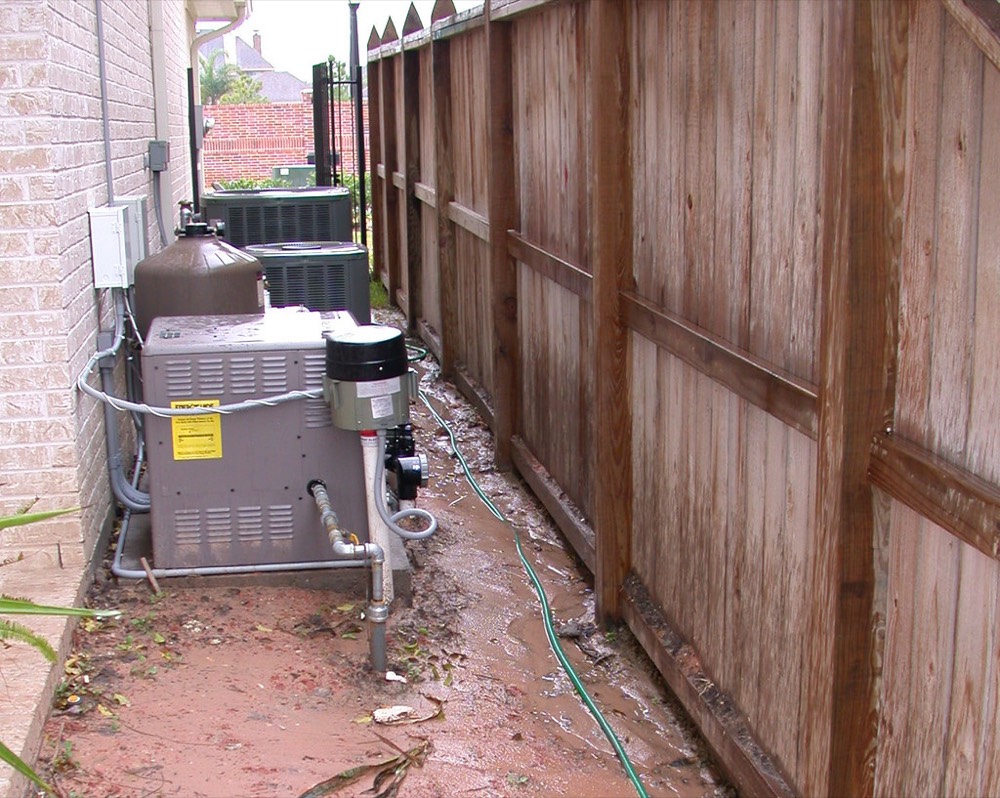
Why Your Pool Pump Might Be Noisier Than Usual
One of the most critical components in your pool's filtration system is the pool pump. Its main job is to push water through the filter, the return pump, and the entire circulation system. Over time, though, it's not uncommon for the pump to start making more noise than it used to. This increase in sound can be subtle or very noticeable, depending on the severity of the issue. For example, if your pump sounds like a coffee machine, it might just be minor wear and tear, but if it's making a metallic or loud noise, that could be a sign of a more serious problem like a leak or internal damage. It's important to be aware of these changes because they can affect the efficiency of your system and even increase your energy costs. In most cases, the extra noise is due to a lack of maintenance. Things like sediment buildup in the filter, dirty return jets, or using water with high mineral content can all cause vibrations and unusual sounds. Additionally, if the pump isn't properly leveled, it can also create strange noises. In some cases, the noise can be so loud that you can hear it from outside your home. It's a good idea to check your pump regularly, at least once a month, to catch any early signs of problems. If the noise suddenly increases, it's best to turn off the pump and inspect it before turning it back on. Regular maintenance can help you avoid expensive repairs in the future.
How to Tell If Your Pool Pump Is Making More Noise Than Usual
One of the best ways to determine if your pool pump is making more noise than usual is to compare the current sound to how it sounded when you first started using the pump. If the noise is significantly louder, it's a good sign that something might be wrong. For instance, if your pump used to have a smooth, constant sound and now it's making a metallic or buzzing noise, that's a red flag. You can also compare the sound to other pumps of the same power. If your pool pump sounds different from others of its kind, it could be a sign of internal wear or improper installation. Another way to detect unusual noise is by observing the vibration. If the pump is vibrating more than usual, it might be due to a misalignment in the moving parts or particles trapped inside. The vibration can be strong enough that you can feel it even through the walls of your home.
Common Causes of Excessive Noise in Pool Pumps
There are several common reasons why your pool pump might be making more noise than it used to. One of the most frequent causes is sediment buildup. Over time, dirt and debris can accumulate in the filter, return jets, and other parts of the system, leading to vibrations and unusual sounds. If the water in your pool has high mineral content, it can also contribute to this issue. Another common cause is a lack of maintenance. If you haven't been cleaning the filter or checking the pump regularly, it's more likely to develop problems. Misalignment is another factor—when the pump isn't level, it can cause it to vibrate and make strange noises. Additionally, if the pump is running dry, it can create a loud noise and even damage the motor. In some cases, the pump might be making a noise that sounds like it's about to break, which is a clear sign that something is wrong. It's important to address these issues as soon as possible to prevent further damage and costly repairs.
How to Diagnose and Fix the Noise Problem
If you've noticed that your pool pump is making more noise than usual, the first step is to turn it off and inspect it for any obvious issues. Start by checking the filter and return jets for any buildup of sediment or debris. If you find any, clean them thoroughly and make sure they're free of blockages. Next, check the pump's alignment to ensure it's level. If it's not, you may need to adjust it or use shims to stabilize it. Another thing to look for is whether the pump is running dry. If the water level in the pool is too low, the pump can't get enough water, which can cause it to make loud noises. Make sure the water level is at the correct height. If the pump is vibrating more than usual, it might be due to internal wear or damage. In this case, it's best to call a professional for a more detailed inspection. If the noise is coming from the motor, it could be a sign of a more serious issue that requires repair or replacement. Regular maintenance and inspections can help you catch these problems early and prevent them from getting worse.
When to Seek Professional Help for Pool Pump Noise
While some noise issues can be resolved with simple maintenance, there are times when it's best to call a professional. If the noise is getting louder and more frequent, or if it's accompanied by other symptoms like vibration or overheating, it's a sign that the problem is more serious. In these cases, a qualified technician can perform a thorough inspection and determine the exact cause of the noise. If the pump is making a metallic or grinding sound, it could indicate internal damage that requires repair or replacement. Similarly, if the noise is so loud that it's affecting your home or causing concern, it's better to have a professional handle the situation. Ignoring these signs can lead to more extensive damage and higher repair costs in the long run. A professional can also provide advice on how to maintain your pump properly and prevent future issues. It's always better to be proactive and address any unusual noises as soon as you notice them to ensure the longevity of your pool pump and the overall efficiency of your pool system.
How to Keep Your Pool Pump Quiet and Efficient
- Inspect and clean your filter and return jets regularly to prevent sediment buildup.
- Ensure the pump is properly aligned and level to reduce vibration and noise.
- Check the water level in your pool to prevent the pump from running dry.
- Monitor the pump's sound and vibration to catch any early signs of problems.
- Perform routine maintenance at least once a month to keep your pump running smoothly.
- Call a professional if the noise becomes louder or is accompanied by other symptoms like overheating or vibration.
Tips for Identifying and Addressing Pump Noise
- Inspect the pump housing for any visible cracks or leaks that could allow air to enter the system.
- Secure all bolts and mounting points to ensure the pump is firmly attached to its base.
- Use a vibration dampening pad between the pump and its base to reduce noise and prevent further damage.
- Check the pump’s impeller for any signs of wear or damage, and replace it if necessary.
- Run the pump for a few minutes and listen for any unusual sounds, such as grinding or screeching, which could indicate bearing failure.