Turbid water after much use: what to check first
Why Pool Water Becomes Cloudy After Heavy Use
It's not uncommon for pool water to become cloudy after heavy use, and it's often a sign that something needs attention. Cloudy water can be frustrating, especially when you're trying to enjoy your pool. The main reasons for this issue usually come down to a few key factors: poor maintenance, buildup of debris, algae growth, and inefficient water circulation. For instance, if your pool isn't being filtered for more than 24 hours, the water can lose its clarity and start looking murky. Even a moderate amount of use can lead to cloudy water if there's a buildup of fine particles like dust, hair, or sand. It's important to identify the root cause of the cloudiness so you can take the right steps to fix it.
Check the Filter System First
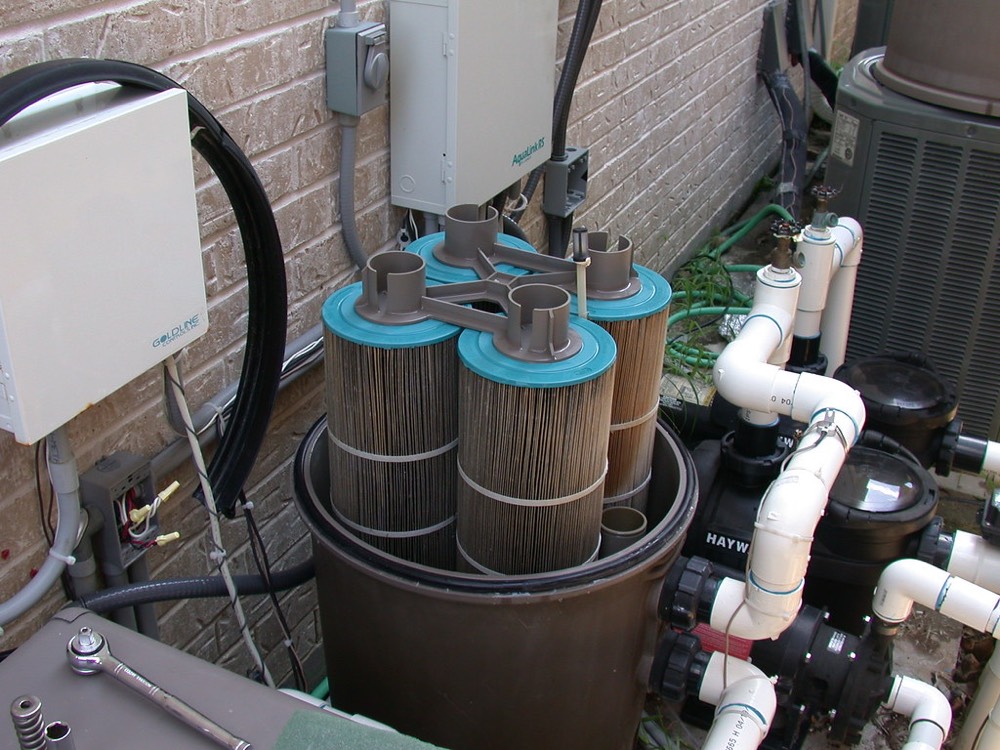
One of the most common causes of cloudy water is a malfunctioning or poorly maintained filter system. The filter is your pool's first line of defense against debris and impurities, and if it's not working correctly, it can't do its job. A clogged or dirty filter can allow particles to pass through and settle in the water, making it look cloudy. For example, if you don't clean your sand filter every 4 to 6 weeks, the dirt and debris can build up and eventually make their way into the water. Additionally, if your filter isn't the right size for your pool, it might not be able to handle the volume of water, leading to poor filtration and cloudy water.
It's essential to check your filter regularly and make sure it's clean and properly adjusted. A well-maintained filter can help keep your water clear and prevent the buildup of impurities. If you notice that your filter isn't working as efficiently as it used to, it might be time to clean or replace it. A good filter system can make a big difference in keeping your pool water clear and enjoyable.
Ensure Proper Chlorine and Chemical Balance
Another key factor in maintaining clear pool water is the proper balance of chlorine and other disinfectants. Chlorine is essential for killing bacteria and algae, which can cause cloudiness and make the water unsafe for swimming. If your chlorine levels are too low, the water won't be properly sanitized, and impurities can build up, leading to a cloudy appearance. For example, if your chlorine level drops below 1 ppm, the water can start to accumulate impurities and develop a murky look. This is especially common during periods of heavy use or if the pool isn't being properly maintained.
In addition to chlorine, the pH level of your pool water also plays a crucial role in maintaining clarity. If the pH is too high or too low, it can affect the effectiveness of the chlorine and lead to the formation of precipitates, which can make the water look cloudy. Keeping the pH within the recommended range (7.2 to 7.8) is essential for both water clarity and swimmer comfort. Regular testing and adjustment of both chlorine and pH levels can help prevent cloudiness and keep your pool water clean and safe.
Look for Debris and Particles in the Water
Cloudy water can also be caused by the presence of fine particles in the water, such as sand, dust, hair, or even small pieces of the pool structure itself. If your pool isn't being cleaned regularly, these particles can accumulate and make the water look cloudy. For example, if you don't clean the bottom of your pool every 2 to 3 weeks, sediment can build up and make the water murky. This is especially true if the pool isn't being properly circulated, which can allow particles to settle in certain areas rather than being filtered out.
It's important to keep your pool clean by regularly skimming the surface and vacuuming the bottom. Skimming helps remove floating debris like leaves and insects, while vacuuming removes settled particles that can contribute to cloudiness. If you notice that your water is getting cloudier despite regular cleaning, it might be a sign that your filtration system isn't working properly or that there's an issue with the water circulation. Addressing these issues early can help prevent long-term problems with water clarity.
Check the Circulation and Pump System
Adequate water circulation is crucial for maintaining clear pool water. If your pump isn't running properly or if the water isn't circulating evenly, impurities can settle in certain areas of the pool, leading to cloudy water. For example, if the pump isn't strong enough or if the water isn't moving through the system efficiently, particles can accumulate in specific spots, making the water look murky. This is especially common in larger pools or if the pump isn't the right size for the pool's volume.
It's important to check the pump and circulation system regularly to ensure they're working correctly. A well-functioning pump helps keep the water moving and prevents the buildup of debris. If you notice that the water isn't circulating properly or that certain areas of the pool are getting cloudy, it might be a sign that the pump needs maintenance or replacement. Ensuring proper circulation can help keep your pool water clear and prevent the buildup of impurities that can lead to cloudiness.
How to Keep Your Pool Water Clear
- Regularly clean and maintain your filter system to ensure it's working efficiently.
- Test and adjust your chlorine and pH levels to keep the water properly sanitized and balanced.
- Skim the surface of the pool daily to remove floating debris and prevent cloudiness.
- Vacuum the bottom of the pool every 2 to 3 weeks to remove settled particles.
- Check your pump and circulation system to ensure the water is moving through the system properly.
- Use a pool cover when the pool isn't in use to prevent debris from entering the water.
Tips for Clearing Turbid Pool Water
- Use a digital pH meter for accurate readings and adjust with pH increasers or decreasers as needed.
- Test free chlorine levels using a DPD test kit and add chlorine tablets or liquid chlorine if levels are low.
- Ensure your filter runs for at least 8–10 hours daily, especially after heavy use, to maintain water clarity.
- Inspect the prefilter regularly and replace it if it's clogged with debris or algae.
- Run the pump for an extra 30 minutes after cleaning to ensure thorough circulation and filtration.