Vinegar vs commercial mold remover in the bathroom

Comparison useful to differentiate light maintenance from recurring mold problems in joints and silicone.

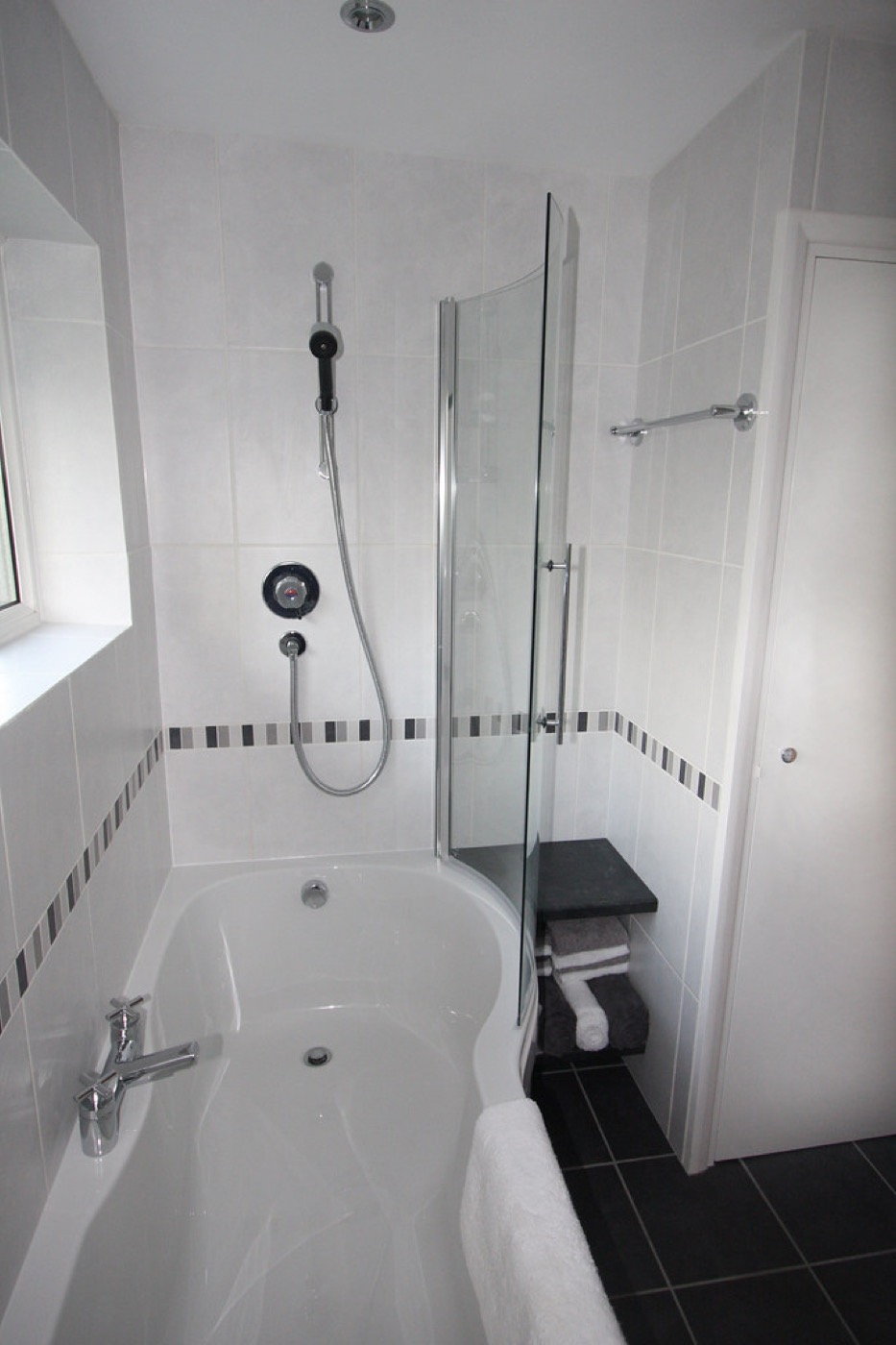
Cuarto de baño con azulejos y ducha

Summary

Vinegar can be valid for maintenance and surface stains. A commercial mold remover is usually better when the problem recurs, the area is darkened, or the silicone has accumulated mold for a long time.

OptionBetter forLimits
VinegarLight maintenance and frequent cleaningMay fall short against embedded mold
Commercial mold inhibitorBlack joints, silicone and recurring problemsRequires ventilation, gloves and responsible use
Soft CTAIf mold keeps coming back in the same area

Suggested internal links

Tips for effective mold removal

Frequently Asked Questions

Can vinegar completely eliminate mold in the bathroom?

Vinegar is effective for light mold and surface stains, but it may not be sufficient for deep-set or recurring mold. For severe cases, a commercial mold remover is more reliable.

Is it safe to use commercial mold inhibitors in the bathroom?

Yes, commercial mold inhibitors are safe when used according to the manufacturer's instructions. Always wear gloves and ensure proper ventilation to avoid skin contact and inhalation of fumes.

What should I do if mold keeps coming back in the same place?

If mold keeps returning in the same area, it may indicate a moisture problem. Use a commercial mold inhibitor to treat the surface, and also check for leaks or poor ventilation that could be contributing to the issue.

Are there any natural alternatives to commercial mold removers?

Yes, vinegar is a natural alternative that can be used for light mold removal. However, for more persistent or severe mold, a commercial product is recommended for better results.

How often should I clean mold-prone areas in the bathroom?

It's recommended to clean mold-prone areas such as around the shower, sink, and toilet at least once a week. Regular cleaning helps prevent mold from taking hold and spreading.