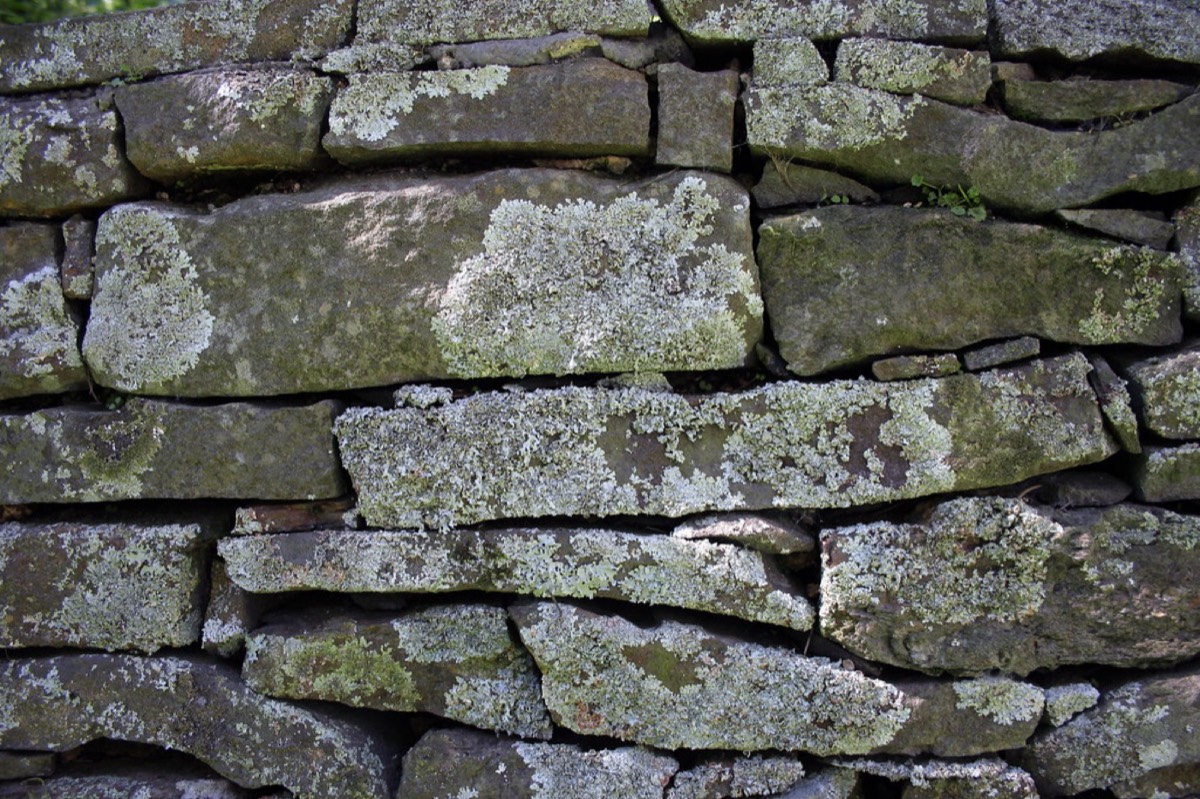
What is green moss and why does it damage the facade
The term "green moss" encompasses several different organisms that can colonize moist exterior surfaces: unicellular algae (which give the intense green color), cyanobacteria (also called blue-green algae), mosses and lichens (the latter a symbiosis between algae and fungi). Each has distinct characteristics but all share the ability to grow on the surface of stone, brick, mortar, concrete and other facade materials as long as there is sufficient moisture and light.
The damage they cause is real: lichens secrete organic acids that dissolve the surface material, mosses retain moisture favoring the ice-thaw cycle that cracks the stone, and algae and bacteria facilitate water penetration into the pores of the material. Green moss is not just an aesthetic problem; it is the start of progressive deterioration.
Diagnosis: type of green moss and type of surface
Before acting, identify what you have and on what surface:
- Green algae (bright green color, grow in moist areas): respond well to algicides or diluted bleach. They are the easiest to remove.
- Mosses (dark green or brown, spongy texture): need to be mechanically removed (brush) in addition to chemical treatment. A concentrated herbicide or algicide applied before brushing is more effective.
- Lichens (gray, black, yellow, strongly adhered): the most difficult. Their symbiotic structure makes them very resistant. They require specific anti-lichen products and long contact time. Sometimes they leave residual stains even after they are dead.
For the surface: limestone and marble do not tolerate acids. Porous stone does not tolerate concentrated bleach that can deposit salts. Brick and concrete are more resistant to treatments.
Removal method: correct steps
- Wash the area: moisturize the surface well before applying any product. A wet surface absorbs the treatment more evenly and the product does not evaporate as quickly.
- Apply the algicide or facade cleaner: products such as HG Liquid Anti-Mold and Algae, Algicide Facades Concentrate or similar. For domestic use, diluted bleach (1 part bleach in 4 parts water) is effective for algae but less so for lichens. For verdin on natural limestone, use algicides without acid.
- Let the product act for the indicated time: minimum 15-30 minutes, some professional products require 2-4 hours. The product penetrates into the organism and kills it. You will see how the verdin changes color (from green to gray or brown) indicating that it has died.
- Brush and rinse: use a medium bristle brush (nylon, never metallic on stone) to remove the dead verdin. Rinse thoroughly with water.
- Apply a preventive treatment: once the surface is clean, apply a long-lasting biocide or a hydrofuge that prevents the accumulation of moisture.
The most common mistake is brushing the verdin without having applied the algicide first. This can spread the organism to other areas and make the problem worse. Always apply the product first, wait for the recommended time, and then brush to remove the dead material.
Frequently asked questions
Can I use bleach on all types of stone? No. Bleach is harsh and can damage limestone, marble, and other sensitive stones. It can also leave salt deposits. For these surfaces, use algicides without acid or biocides designed for sensitive materials.
How long does the preventive treatment last? A good hydrofuge or biocide can last between 6 months to 2 years, depending on the product and environmental conditions. Reapply every 12 to 18 months for optimal protection.
Is it possible to remove green moss without chemicals? Yes, but it is more labor-intensive. Mechanical removal with a stiff brush and water can work for light algae, but for mosses and lichens, chemical treatment is necessary for effective removal.
Tips for effective green moss removal
- Use a pressure washer with a wide spray nozzle to avoid damaging the surface while cleaning. Avoid high pressure on delicate materials like brick or stone.
- For large areas, consider hiring a professional with the right equipment and experience to ensure the treatment is applied correctly and safely.
- After cleaning, clean the tools and equipment immediately to prevent the spread of green moss to other areas.
- Check the weather forecast before starting the treatment. Avoid working in direct sunlight or extreme temperatures to ensure the product works effectively.
- For natural stone, always test a small area first to ensure the product does not cause discoloration or damage.