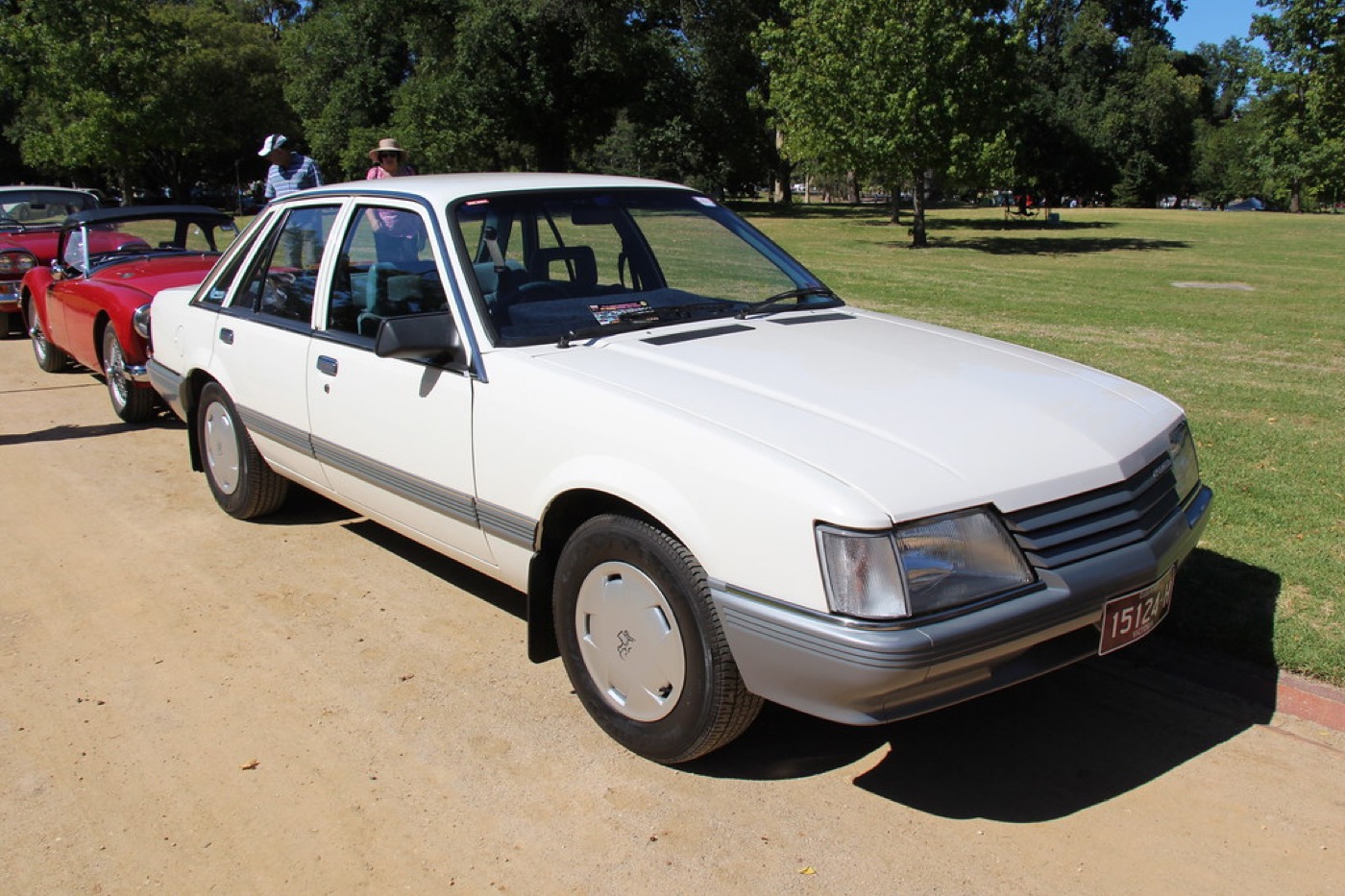
Why tree resin is especially dangerous for car paint
Tree resin is a complex mixture of resin acids (abietic acid and similar) and terpenoids. When it falls on the car body and the sun heats it, the resin softens and flows slightly, increasing the contact area with the clear coat. After that, when it cools down, it solidifies again and adheres firmly.
The real danger is not just that it's difficult to remove: resin acids are slightly acidic and with enough contact time (especially on hot days with repeated heating and cooling cycles) they can penetrate into the clear coat of the car body and etch it. Once the clear coat is etched, the stain is irreversible without mechanical polishing.
Recommended time window to act: fresh resin or less than 24 hours in warm weather; up to 48-72 hours in cold weather. The sooner you act, the easier it comes off and the lower the risk of etching.
Products that dissolve tree resin without damaging the clear coat
Resin is soluble in organic solvents. The safest for car paint:
- 70% isopropyl alcohol: dissolves the resin efficiently and evaporates quickly without leaving residue. It's safe for car paint when used occasionally. Apply with a clean microfiber cloth, let it act for 30-60 seconds, and remove it.
- Eucalyptus oil or orange essential oil: terpene oils dissolve the resin because they share a chemical structure. They are gentler on the clear coat than alcohol but require more contact time (2-3 minutes).
- WD-40: effective for softening the resin. Apply, let it sit for 2-3 minutes, and remove with a cloth. After that, wash the area with car shampoo to remove the greasy residue from WD-40.
- Commercial detailing products for resin: Koch-Chemie Tree Resin Remover, Gyeon Tar & Resin Remover, or similar. They are the most specific and safe for modern finishes.
What does NOT work and can damage the paint: rubbing dry resin with mechanical force (scratches the finish), water alone, car shampoo alone (does not dissolve the resin).
Step-by-step technique to remove tree resin
- Wash the car first: removes surface dirt around the resin. Working on dirt increases the risk of micro-scratches.
- Identify all resin stains: check the entire body, especially the roof and hood if the car has been under a tree. The small and transparent resin can be difficult to see.
- Apply the solvent on the resin: soak the resin with the chosen product. For large or very dry stains, soak a microfiber cloth and place it on the resin for 1-2 minutes to dissolve it before acting.
- Remove with a soft microfiber cloth: with the solvent-wet cloth, drag the softened resin with gentle pressure. If some residue remains, apply more product and wait another minute.
- Wash the area with shampoo: removes the solvent residue.
- Inspect with a grazing light: look at the area with sunlight or a flashlight at a grazing angle. If the finish has any matte areas or slightly indented zones, there may be etching. In that case, a polish with fine-grit compound can
Tips for removing tree resin safely and effectively
- Use a dedicated microfiber cloth to avoid scratching the clear coat, and replace it if it becomes dirty or worn.
- Work in a shaded area to prevent the resin from hardening again quickly due to heat exposure.
- After using any solvent, always wash the area with a pH-neutral car shampoo to avoid chemical residue buildup.
- Test the solvent on an inconspicuous area of the car first, such as the wheel well, to ensure it doesn’t damage the paint or finish.
- If the resin is very old and has already etched the clear coat, consider using a fine-grit compound or a machine polisher to restore the finish, but only after consulting a professional detailer.
FAQ: Frequently asked questions about tree resin on car paint
Can I use vinegar to remove tree resin from my car? Vinegar is acidic and can potentially damage the clear coat. It's not recommended for removing tree resin. Instead, use a dedicated resin remover or isopropyl alcohol.
Is it possible to remove tree resin without damaging the car paint? Yes, if you act quickly and use the right products. The key is to use a solvent that dissolves the resin without attacking the clear coat, such as isopropyl alcohol or eucalyptus oil.
What should I do if the resin has already etched the clear coat? If the resin has etched the clear coat, you’ll need to use a fine-grit compound or a machine polisher to restore the finish. This should be done carefully, and if you're unsure, it's best to consult a professional detailer.
Can I use a toothbrush to remove tree resin? A toothbrush can be useful for small, isolated spots, but it's not ideal for larger areas. It can also risk scratching the paint if not used carefully. It's better to use a soft cloth or a dedicated resin removal tool.
How can I prevent tree resin from sticking to my car? Regularly washing your car and avoiding parking under trees can help prevent resin buildup. If you know you're driving under a tree, check your car for resin spots as soon as possible.