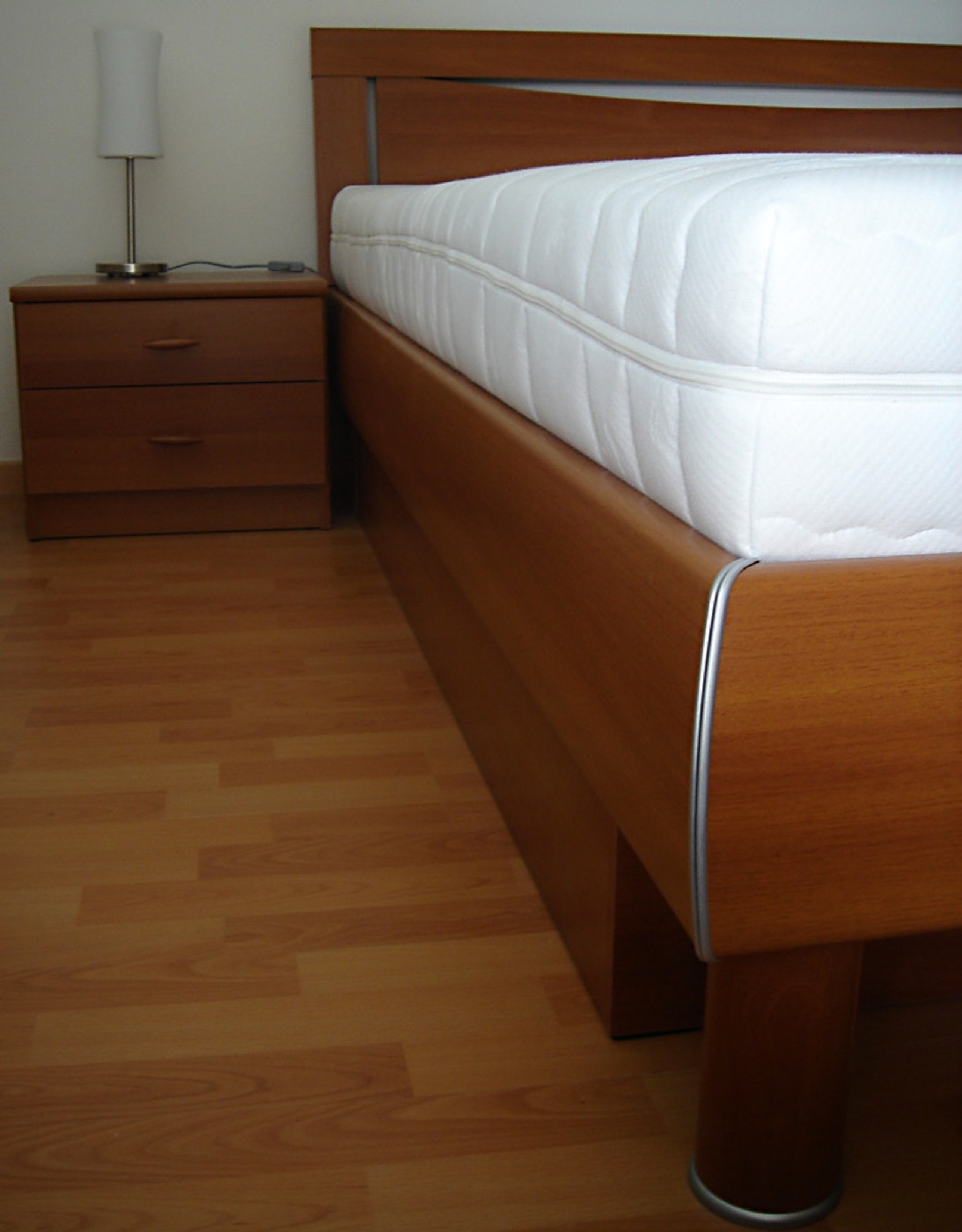
Why yellow stains appear on the mattress
Every night, the human body loses between 0.5 and 1 liter of water through sweat and breathing. Although most of it is absorbed by the bedding, some reaches the mattress, especially if you sleep without a protective sheet or with light bedding. Sweat is water with mineral salts, urea, lactic acid, proteins, and lipids.
Over time, these substances accumulate in the upper layers of the mattress. The lipids (fats) slowly oxidize with air contact, forming yellow-orange compounds. Urea decomposes into ammonia through bacterial action. The result is that characteristic yellow color and sometimes a persistent odor even after airing the mattress.
Method for sweat stains on mattress
The fundamental principle is to use the minimum possible moisture. Mattresses have filling (foam, springs, latex, fibers) that takes a long time to dry and can be damaged if over-wet. The foam method is the safest:
- Vacuum the mattress thoroughly: remove dust and accumulated mites before applying any product. Mattresses concentrate large amounts of mites that feed on dead skin cells.
- Prepare the cleaning mixture: in a bowl, mix 3 tablespoons of baking soda, 2 tablespoons of 3% hydrogen peroxide, and a teaspoon of liquid dish soap. Mix until it forms foam.
- Apply the mixture on the yellow stains: spread with a sponge or cloth over the stain with gentle circular movements. Do not soak: apply only the foam.
- Let it act for 30-60 minutes: hydrogen peroxide oxidizes yellow pigments; baking soda neutralizes sweat acids and acts as a mild abrasive; dish soap emulsifies the fats.
- Remove with a damp cloth: Use a well-wrung microfiber cloth with cold water to remove the cleaning mixture residues.
- Dry with dry baking soda: Sprinkle a generous layer of dry baking soda over the entire treated area. Let it act for 8-12 hours (or all night). The baking soda absorbs residual moisture and odors.
- Vacuum the baking soda: Remove all the baking soda layer with the vacuum cleaner.
This combination attacks the three causes of yellowing on the mattress simultaneously: hydrogen peroxide whitens oxidized pigments, baking soda neutralizes acids, and dish soap emulsifies the fats. It is the most complete mixture for sweat stains on a mattress.
Very old or extensive sweat stains
If the mattress has not been deeply cleaned for years and yellow stains cover most of the surface, the homemade method may improve the appearance but may not completely remove the color. In these cases, specific enzymatic cleaners for mattresses (there are products from brands like Bedtonic Clean or Dormeo Clean) are more powerful because they contain enzymes that break down the degraded organic compounds of accumulated sweat.
For very persistent stains that do not respond to the homemade method, a mattress cleaning company with a steam machine can be the solution. The high-temperature steam sanitizes t
Tips for effective stain removal
- Use a microfiber cloth to apply and remove the cleaning mixture, as it is less abrasive and more effective at picking up residue.
- Always test the cleaning mixture on a small, inconspicuous area of the mattress first to ensure it doesn't damage the fabric or cause discoloration.
- After vacuuming the baking soda, use a dry cloth to gently wipe the surface to remove any remaining residue and ensure the mattress is fully dry.
- If the mattress is made of latex or memory foam, avoid using excessive moisture to prevent mold or bacterial growth.
- For a fresh scent, sprinkle a few drops of essential oil (like lavender or tea tree) on the baking soda before applying it to the mattress.
Frequently asked questions
Can I use bleach to remove yellow stains from my mattress? Bleach is not recommended for mattresses because it can damage the fabric and cause discoloration. Instead, opt for a mild solution like hydrogen peroxide, which is safer and more effective for removing yellow stains.
How often should I clean my mattress to prevent yellow stains? It is recommended to clean your mattress at least once every six months to prevent the buildup of sweat, oils, and bacteria that can lead to yellow stains and odors.
Is it safe to use a steam cleaner on my mattress? Steam cleaning is generally safe for most mattress types, but it is important to check the manufacturer's instructions. Some mattresses, especially those with foam or latex, may be sensitive to high heat and moisture, so use caution and follow the guidelines.
What should I do if the yellow stain returns after cleaning? If the stain reappears, it may indicate that the underlying cause, such as poor ventilation or lack of a protective sheet, is still present. Ensure the mattress is well-ventilated and consider using a mattress protector to prevent future stains.
Can I use Vanish or Cif on my mattress? Vanish and Cif are powerful cleaning agents that can be used on mattresses, but it is important to follow the instructions carefully. Test a small area first and avoid over-wetting the mattress to prevent damage.
Where can I buy the products mentioned in this guide? You can find products like baking soda, hydrogen peroxide, and dish soap at your local grocery store or online at Amazon. For specialized enzymatic cleaners, you can check the websites of brands like Bedtonic Clean or Dormeo Clean.