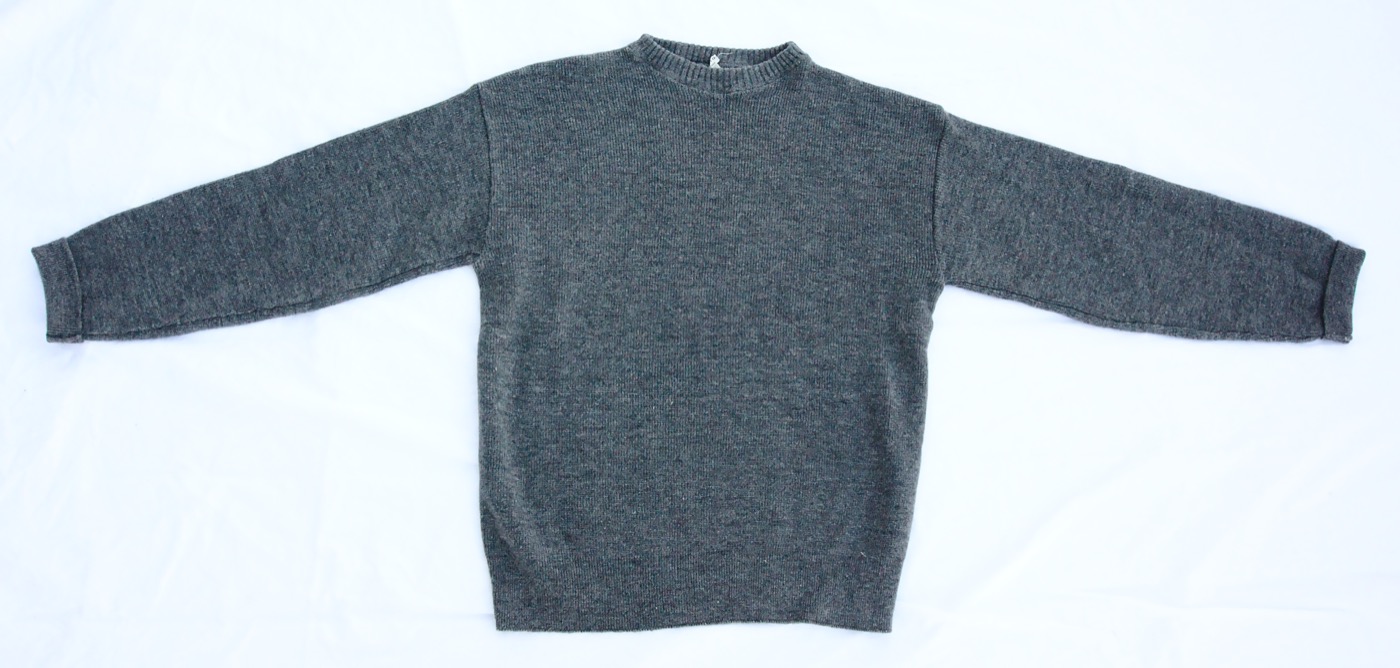
Why wool shrinks and pills
The wool fiber has a scaly structure on its surface (similar to fish scales viewed under a microscope). These scales are oriented from the root to the tip of the fiber and under normal conditions slide over each other without hooking. When wool is exposed to heat and movement simultaneously (such as in a washing machine at 40 °C with spinning), the scales open, hook together, and tangle forming an irreversible compact mass: that is pilling or felting.
Heat alone (without movement) also damages wool, but in a different way: it coagulates the proteins in the fiber making it rigid and fragile. Alkaline and enzymatic detergents also attack the keratin in wool because they contain proteases that degrade proteins, including those in the fiber.
The three rules for treating stains on wool
- Cold water always: never hot water, never warm water. Only cold water or, at most, room temperature (20-25 °C).
- No rubbing, only pressing: rubbing creates the movement that makes the scales hook. Only gentle pressure with a clean cloth.
- Neutral soap or specific for wool: nothing of enzymatic detergents, nothing of alkaline products. Only soap with pH 7 or wool detergent (Woolite, Perwoll Lana, lanolin soap).
Method for recent stains on wool
For stains from food, drink or any liquid on a wool garment:
- Absorb the excess immediately with absorbent paper applying gentle pressure. Do not rub.
- If the stain has a solid component (sauce, food), lift the solid with a plastic spatula without rubbing the wool.
- Wet the area with cold water using a clean microfiber cloth. Press gently so the water dilutes the stain.
- Apply a small amount of wool soap or neutral soap onto the damp cloth (never directly onto dry wool). Press gently over the stain.
- Rinse with another clean damp cloth only with cold water, applying pressure.
- Place the garment flat on a clean towel, give it the correct shape with your hands, and let it air dry away from heat.
These four principles applied correctly eliminate most stains from wool without risk of damage. If a stain does not respond to this method, the alternative is dry cleaning. There is no middle ground for wool: either the gentle method works or you have to go to the professional.
Specific stains on wool
Red wine: Absorb immediately. Apply carbonated water (carbon dioxide helps push the pigment to the surface) pressing with a cloth. Then neutral soap with the pressure method. Do not apply salt on wet wool because it can damage the fibers.
Grease: Apply cornstarch or talcum powder dry on the stain, let it sit for 20 minutes, and remove by gently shaking. Then use the pressure method with neutral soap for the residue. Cornstarch does not damage wool.
Blood: Only cold water, never hot. Blood is protein and heat fixes it in wool just like in any fabric. Cold water with a cloth pressing, neutral soap, an
Tips for cleaning wool without damage
- Use a microfiber cloth to press stains, as it is soft and won't scratch the fibers.
- Always test a small, inconspicuous area first with any cleaning product to ensure it doesn't damage the wool.
- Keep your cleaning tools clean and dry to prevent spreading bacteria or dirt to the stain.
- Store wool garments in a cool, dry place away from direct sunlight to avoid fading and damage.
- For stubborn stains, consider using a wool-specific stain remover like Vanish Wool or Cif Wool Care, following the instructions carefully.
Frequently asked questions
Can I use bleach on wool? No, bleach is highly alkaline and can break down the protein fibers in wool, causing yellowing and weakening the fabric. Always use neutral or wool-specific detergents instead.
What should I do if the stain is already set? If the stain is old, you may need to use a dry cleaning solvent or a specialized wool stain remover. Always check the care label first, and if in doubt, consult a professional cleaner.
Can I use a washing machine for wool? Only if the machine is specifically designed for delicate fabrics and the wool is labeled as machine-washable. Use a gentle cycle with cold water and a wool detergent. Avoid using the spin cycle to prevent shrinkage and pilling.
Is it safe to use a steam iron on wool? No, steam can cause the fibers to shrink and the fabric to become stiff. Instead, use a dry iron on a low heat setting, and always place a pressing cloth between the iron and the wool to protect the fabric.
How can I prevent wool from pilling? Regularly brush your wool garments with a lint roller or a soft brush to remove loose fibers. Avoid wearing wool in environments with high friction, such as rough fabrics or rough surfaces.
Conclusion
Wool requires special care to maintain its shape, texture, and appearance. By following the cold water, gentle pressing, and neutral soap rules, you can effectively remove most stains without causing damage. For more stubborn stains, dry cleaning is the safest option. Always read the care label and consider professional help if you're unsure. With the right techniques and products, you can keep your wool garments looking their best for years to come.