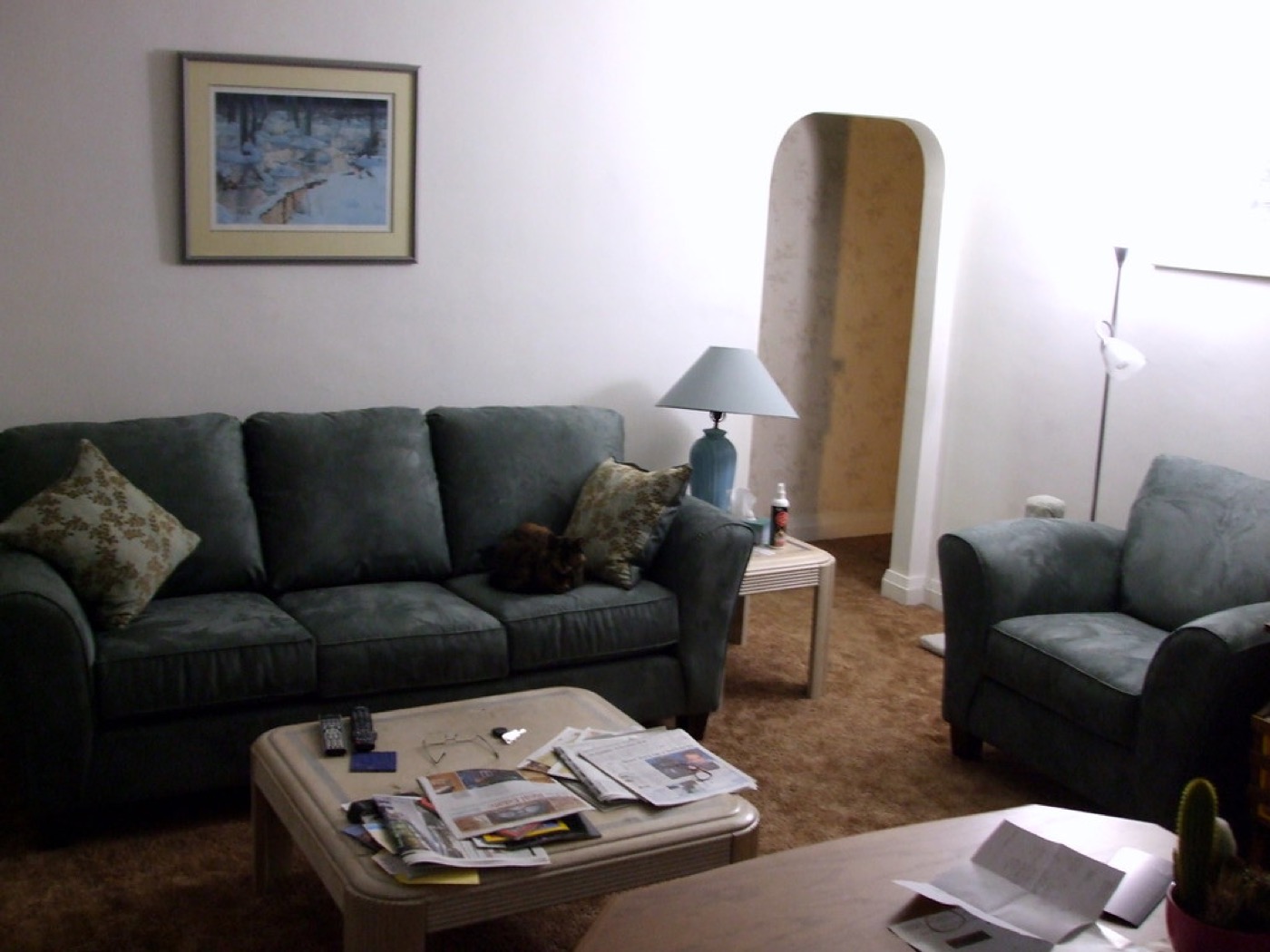
Introduction
Oil gets into the fiber quickly and worsens when rubbed with water or soap without control. The correct strategy is to absorb first, work from the outside in, and use very little moisture. This approach prevents the oil from spreading and forming unsightly rings that are hard to remove later.
Step by step
1. Absorb the excess
Use paper, cornstarch or baking soda to trap the surface oil for a few minutes. These materials are highly absorbent and help draw the oil out of the fabric without spreading it further.
2. Remove with a soft brush
Do not drag the dirt. Lift the dust or residue with short movements. A soft-bristled brush can help lift the oil without compacting it into the fibers.
3. Clean locally
Apply a foam or specific cleaner on a cloth, not directly in a jet over the sofa. This method ensures that the cleaner is applied gently and only where needed, avoiding unnecessary moisture.
4. Dry without strong heat
Press with a dry cloth and let it ventilate well to avoid leaving a moisture mark. Avoid using direct heat sources like hairdryers, which can set the stain or damage the fabric.
Soaking the sofa is one of the most common causes of later stains. Always test any cleaning solution on a small, inconspicuous area first to ensure it doesn't damage the fabric.
Common mistakes
- Wipe from the center outward.
- Using too much water.
- Mixing several products without testing first.
- Drying with very hot air on delicate fabrics.
FAQ
It may work in some very specific cases, but it's easy to overdo it and leave a stain. Better use it only very diluted and with prior testing.
This guide should link to the sofa hub, to the cleaner comparison, and to articles on rugs or mattresses if the reader is looking for similar alternatives.