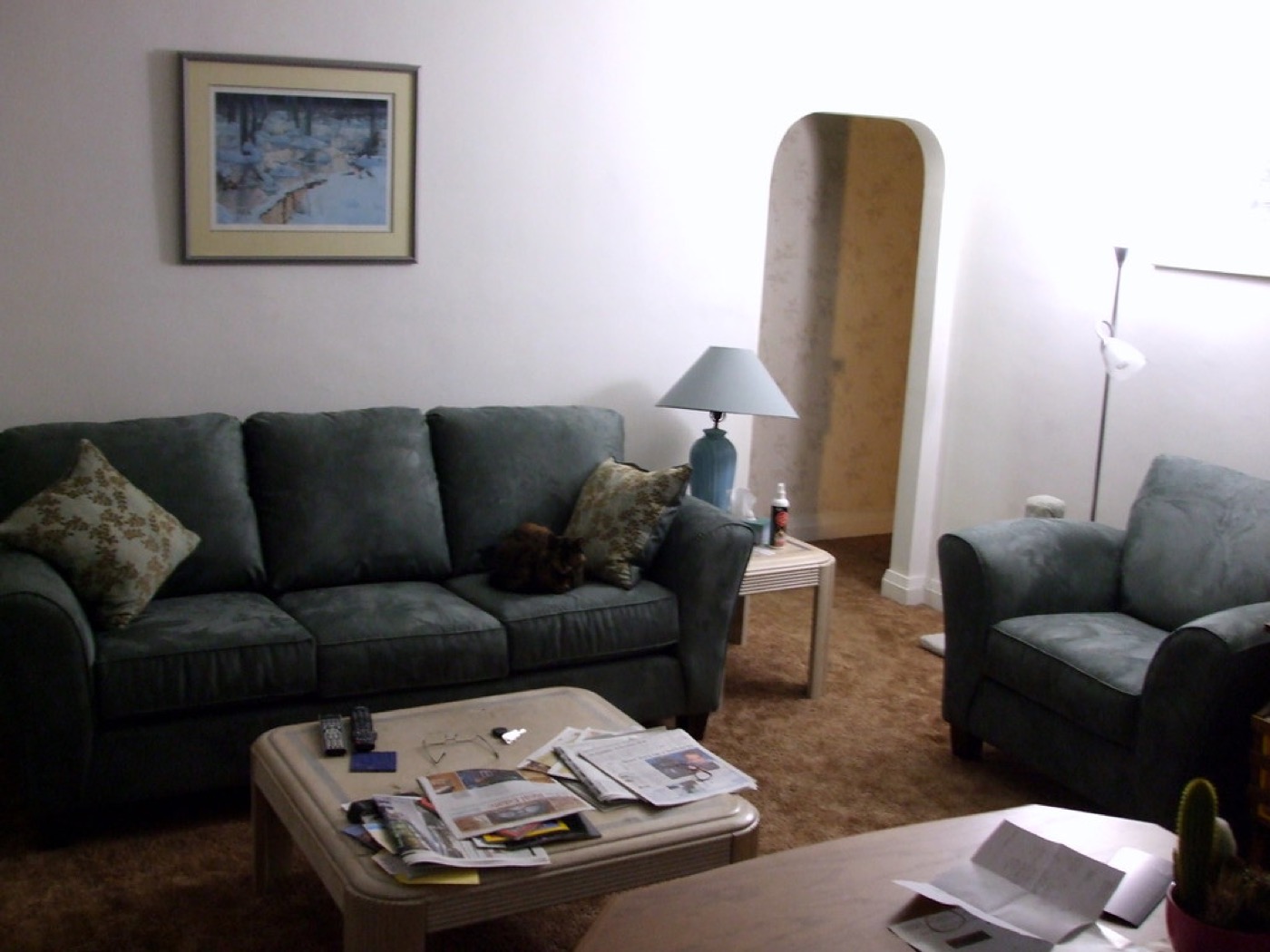
Why pet urine odor is so persistent
Dog and cat urine contains urea, uric acid, proteins, bacteria, and, in the case of cats, mercaptans (volatile sulfur compounds). Urea turns into ammonia through bacterial action, which explains that intense odor that intensifies when the sofa gets warm or when the area gets slightly damp again.
Uric acid, in particular, is extremely resistant to conventional cleaning products. Cleaners with ammonia, soap and water, or vinegar can remove the visible stain and temporarily reduce the odor, but they do not break down the uric acid molecule. That is why the odor returns as soon as the area gets warm, gets slightly damp, or the pet smells it again (its nose detects uric acid even though we no longer perceive it, which encourages it to return to the same spot).
Enzymatic cleaners: the only real solution
Enzymatic cleaners contain specific enzymes (proteases, lipases, and especially urease and uricase enzymes) that break down the uric acid and proteins in urine into odorless and easily removable compounds. They are the only solution that eliminates the odor from the root, not just mask it.
Known products: Nature's Miracle, Simple Solution, Urine Off, Rocco & Roxie, Biokleen Bac-Out. All are available in pet stores and online. The most important factor for them to work: enzymes need the right time and temperature (between 15 and 35 °C) to act. Hot water destroys enzymes, and cold inactivates them temporarily.
Complete protocol for fresh urine on sofa
- Absorb as much urine as possible: use absorbent paper or an old cloth, press firmly on the area to absorb. Do not rub. Change the paper when it is saturated. Absorb as much as you can before applying anything.
- Apply the enzymatic cleaner generously: the product must moisten the area in the same proportion that the urine moistened it. If the urine has reached the sofa's padding, the enzymatic cleaner must also reach it. This is important because if the uric acid remains deep and the enzymatic cleaner does not reach it, the odor persists from the inside.
- Let the product act for the time indicated by the manufacturer: minimum 10-15 minutes, some products may take up to 1 hour. Don't worry: enzymes need time to break down the compounds.
- Absorb the enzymatic with a clean cloth: press to absorb the product with the dissolved dirt. Do not rinse with abundant water immediately if the product says to let it dry: some enzymatic cleaners continue to work while drying.
- Ventilate the area completely: let dry with ventilation. Do not close the room. Slow drying in a closed environment may reactivate the bacteria.
If the urine soaked the sofa filling, the enzymatic cleaner must also soak it. Apply enough quantity to penetrate just as deeply. If you only treat the surface, the smell will continue to come out from the inside when the sofa heats up.
Protocol for dry urine and old smells
If the stain has been days or you have detected it by the smell and don't know exactly where it is, f
Tips for effective stain and odor removal
- Use a fan or open windows to speed up the drying process and prevent bacteria from reactivating.
- Test the enzymatic cleaner on a small, inconspicuous area of the sofa first to ensure it doesn't damage the fabric or color.
- For old stains, you can use a mixture of water and white vinegar to help break down the uric acid before applying the enzymatic cleaner.
- After cleaning, place baking soda on the area and let it sit for a few hours to absorb any remaining odor before vacuuming it up.
- Consider using a pet odor eliminator spray that contains enzymes to neutralize the smell and prevent the pet from returning to the same spot.
FAQ
Can I use bleach to remove pet urine odor? Bleach can kill bacteria but does not break down uric acid. It may temporarily mask the smell but can also damage fabrics and leave a strong chemical odor.
How long does the enzymatic cleaner need to work? Enzymatic cleaners typically need at least 10-15 minutes to work effectively, but some may require up to an hour. Always follow the manufacturer's instructions for best results.
What if the odor returns after cleaning? If the odor returns, it may mean that the enzymatic cleaner didn't reach deep enough or the area wasn't fully dried. Reapply the cleaner and ensure the sofa is completely ventilated.
Can I use a steam cleaner to remove pet urine? Steam cleaners can help remove surface stains but may not reach deep into the padding where uric acid has settled. Use them in combination with enzymatic cleaners for best results.
What should I do if my pet keeps marking the same spot? After cleaning, it's important to discourage the pet from returning to the area. Use a pet deterrent spray or consider consulting a professional pet behaviorist for advice.