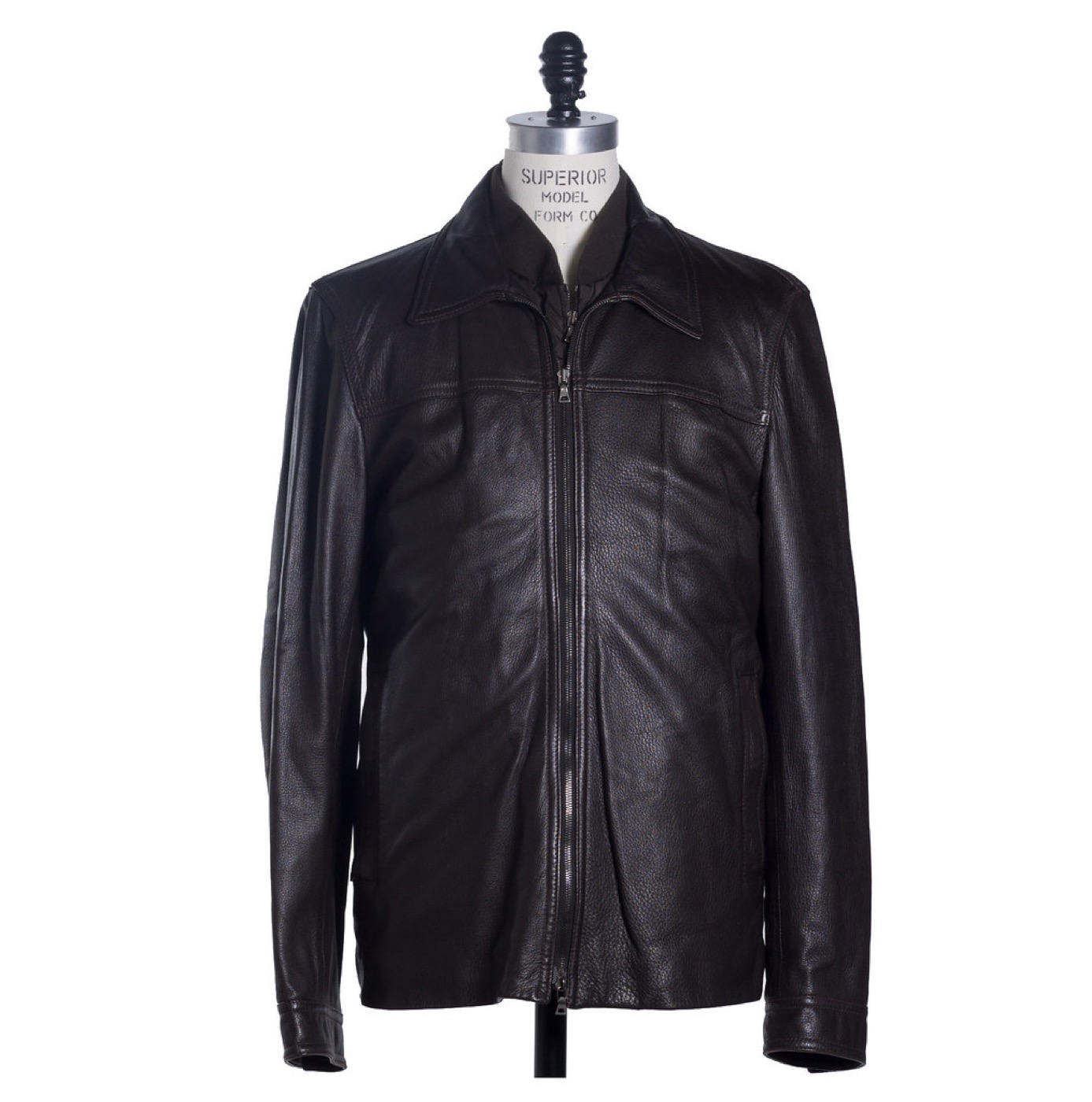
Smooth leather and suede: fundamental differences
Smooth leather (such as that of a jacket or a bag with a shiny or semi-matte surface) has the grain side of the leather facing out: the most compact and resistant surface, generally with a lacquered or pigmented finish on top. This protective layer allows cleaning with some moisture and cleaning products without penetrating the internal fibers of the leather.
Suede, on the other hand, has the flesh side facing out: the internal part of the leather that has been sanded to achieve that soft, velvety texture. This surface has no protective layer, is extremely porous and absorbs any liquid almost instantly. Suede and nubuck (first-grain leather sanded) are the most difficult materials to keep clean because they practically do not allow any wet treatment without leaving marks.
Cleaning stains on smooth leather: correct method
For general dirt, makeup, sweat or scuff stains on smooth leather:
- Remove excess: if the stain is solid or creamy (cream, makeup), remove it with the tip of a clean cloth without spreading.
- Clean with leather soap: Leather soap (Saddler's Soap), specific leather soap or a neutral soap with pH 7 applied with a slightly damp cloth is the safest method. Work in small, gentle circular movements.
- Remove the soap: pass a clean, slightly damp cloth to remove soap residue. Do not leave the leather wet.
- Dry with a cloth: Eliminate all moisture immediately.
- Condition: Apply leather conditioner (nutritive cream for leather) to replenish natural oils and restore flexibility. This is especially important after any cleaning.
For oil stains (oil, sunscreen) on smooth leather: apply cornstarch on the fresh stain, let sit for 20 minutes, and wipe off with a soft cloth. Afterward, clean with the previous method. A small amount of 70% isopropyl alcohol can eliminate persistent oil stains, but use very little and condition well afterward because alcohol dries the leather.
Cleaning stains on suede and nubuck: the dry method
The fundamental principle with suede is: avoid water as much as possible. Water moistens the velvety fibers of the suede and makes it clump and look different in that area. A water stain on suede can be more visible than the original stain.
For dry dirt and scuff marks on suede: use a specific eraser for suede (Suede Eraser or white eraser from stationery). Gently rub over the dry stain. The eraser removes surface dirt. Then use a suede brush (with rubber or very fine metal bristles) to lift the nap and restore the velvety texture.
For oil stains on suede: cover with cornstarch, let sit for 30 minutes, and wipe off with a soft brush. If residue remains, apply a specific suede cleaner in foam (Collonil Waterstop Spray or similar) with a very soft brush. The foam cleaner penetrates less than liquid.
Suede does not tolerate direct water. Smooth leather tolerates minimal moisture with specific products. Confusing the two treatments can permanently ruin the material. I
Tips for cleaning leather and suede
- Always test any cleaning product on a small, inconspicuous area first to avoid damaging the material.
- Use a microfiber cloth for cleaning to avoid scratching the surface of the leather or suede.
- Store leather items in a cool, dry place away from direct sunlight to prevent fading or drying out.
- For suede, avoid using any product that contains alcohol or water unless it's specifically designed for the material.
- Regularly brush suede with a suede brush to maintain its texture and prevent dirt buildup.
Frequently asked questions
Can I use a regular household cleaner on leather or suede? No, regular household cleaners can strip the natural oils from leather and damage the delicate fibers of suede. Always use products specifically formulated for these materials.
What should I do if I spill something on my suede shoes? Immediately blot the spill with a clean, dry cloth to absorb as much liquid as possible. Avoid rubbing, as this can push the liquid deeper into the fibers. Then, use a suede eraser or brush to gently lift the stain.
Is it safe to use a hairdryer on suede? Yes, but only on a low heat setting and at a distance to avoid overheating the material. Use it to dry the suede after cleaning, but never use it to dry a wet stain, as this can cause the fibers to clump.
How often should I condition my leather items? Conditioning leather every 3 to 6 months helps maintain its suppleness and prevents cracking. However, if you frequently use your leather items, you may need to condition them more often.
Can I use Vanish or Cif on suede or leather? No, Vanish and Cif are designed for fabric and may damage the delicate surface of suede or leather. Always check the product label for compatibility with these materials.