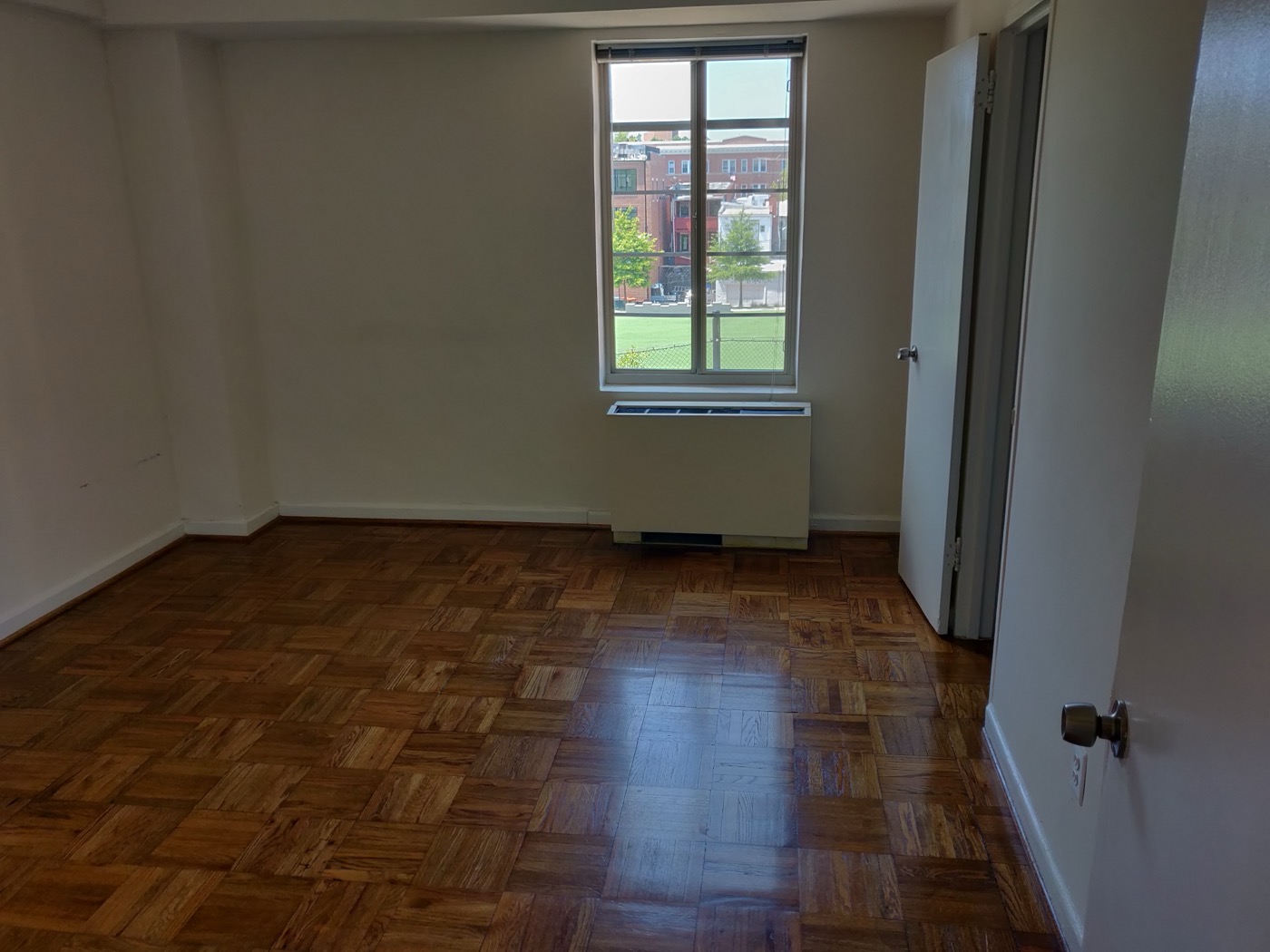
The problem of oil on parquet: absorption and stain
Parquet, whether solid, multi-layer or laminate, has a porous surface (especially natural wood without varnish or with a matte finish) that absorbs oil quickly. If you try to clean the oil directly with water or with floor cleaners, you are doing two harmful things at once: on one hand, the water pushes the oil into the wood; on the other hand, the soap emulsifies the oil and spreads it over a wider area creating that matte stain that surrounds the cleaned area.
The correct principle is: first absorb as much oil as possible in dry conditions, and only then clean the remaining residue with the appropriate product. In lacquered or glossy-finished parquet, the action is easier because the oil remains on the varnish layer and does not penetrate. In oiled or unfinished parquet, the margin is much smaller.
Step 1: immediate absorption in dry conditions
This step is the most important and is often skipped with the worst consequences. Do it before applying any liquid:
- Cover the entire oil stain generously with one of these absorbents: cornstarch (maicena), talcum powder, baking soda or fine salt. Maicena is especially effective due to its high absorption capacity.
- Do not press or rub the powder over the oil. Simply cover it and wait between 15 and 30 minutes for the powder to absorb the oil by capillary action.
- After the time has passed, sweep the powder gently with a broom or pick it up with absorbent paper. You will see that the powder has changed color or consistency because it has absorbed the grease.
- Repeat the process a second time if the stain was large or there was a lot of oil. Double absorption before cleaning.
Step 2: cleaning the remaining greasy residue
After absorption, there will be a greasy residue on the surface. To remove it correctly according to the type of parquet:
Lacquered or varnished parquet: Apply a small amount of dishwasher concentrate directly onto the area with a slightly damp microfiber cloth. Dishwasher detergent is degreasing and breaks down the grease film. Rub gently and wipe away with a clean, slightly damp cloth with cold water. Dry immediately. Do not leave water on the lacquered parquet for longer than necessary.
Oiled or unsealed parquet: Use a specific cleaner for oiled parquet (manufacturers like Bona, Osmo or Rubio Monocoat have specific cleaners). Dishwasher detergent may interfere with the oil finish of the floor. Apply the cleaner according to the instructions and dry thoroughly.
Cornstarch, talcum powder or baking soda covering the stain for 20 minutes absorbs up to 70% of the oil before it penetrates. This step makes the difference between a cleaning that leaves a halo and one that removes the stain completely.
Old oil stains on parquet: specific treatment
If the oil has already penetrated and the stain has been untreated for days, the process is more complex. The fat has partially oxidized within the wood and has left a dark or dull stain. On lacquered parquet, try using a bit of 70% isopropyl alcohol to dissolve the oxidized oil. Apply it with a soft cloth, then wipe with a damp cloth and dry. For older stains on natural wood, consider using a wood bleach or a commercial wood stain remover. Always test on a small area first to avoid damaging the wood.
Tips for effective oil stain removal
- Use a clean, dry paper towel to blot up excess oil before applying any absorbent. This prevents spreading and ensures better absorption.
- For large oil spills, use a vacuum cleaner with a HEPA filter to remove the powder after absorption, which is more efficient than sweeping.
- Never use hot water on parquet, as it can cause warping or damage the finish. Always use cold or room temperature water.
- Keep the absorbent powder in a sealed container to maintain its effectiveness for future use.
- If the stain persists, consider using a commercial wood cleaner like Vanish or Cif, which are designed to break down oils and greases without damaging the surface.
FAQs about oil on parquet
Can I use dish soap directly on the parquet? Dish soap is effective for removing grease, but it should not be used directly on oiled or unsealed parquet as it can strip the finish. Use it only on lacquered surfaces and always follow up with a thorough drying process.
What should I do if the oil stain is on a laminate floor? Laminate floors are more sensitive than solid wood. Avoid using harsh chemicals or excessive water. Use a dry cloth to blot up the oil, then apply a small amount of dish soap and a damp cloth to clean the surface. Dry immediately with a clean cloth.
How can I prevent oil stains on parquet? Always use coasters under glasses and cups, and avoid placing hot items directly on the floor. Regularly clean the floor with a microfiber cloth to remove any spills before they can penetrate the surface.