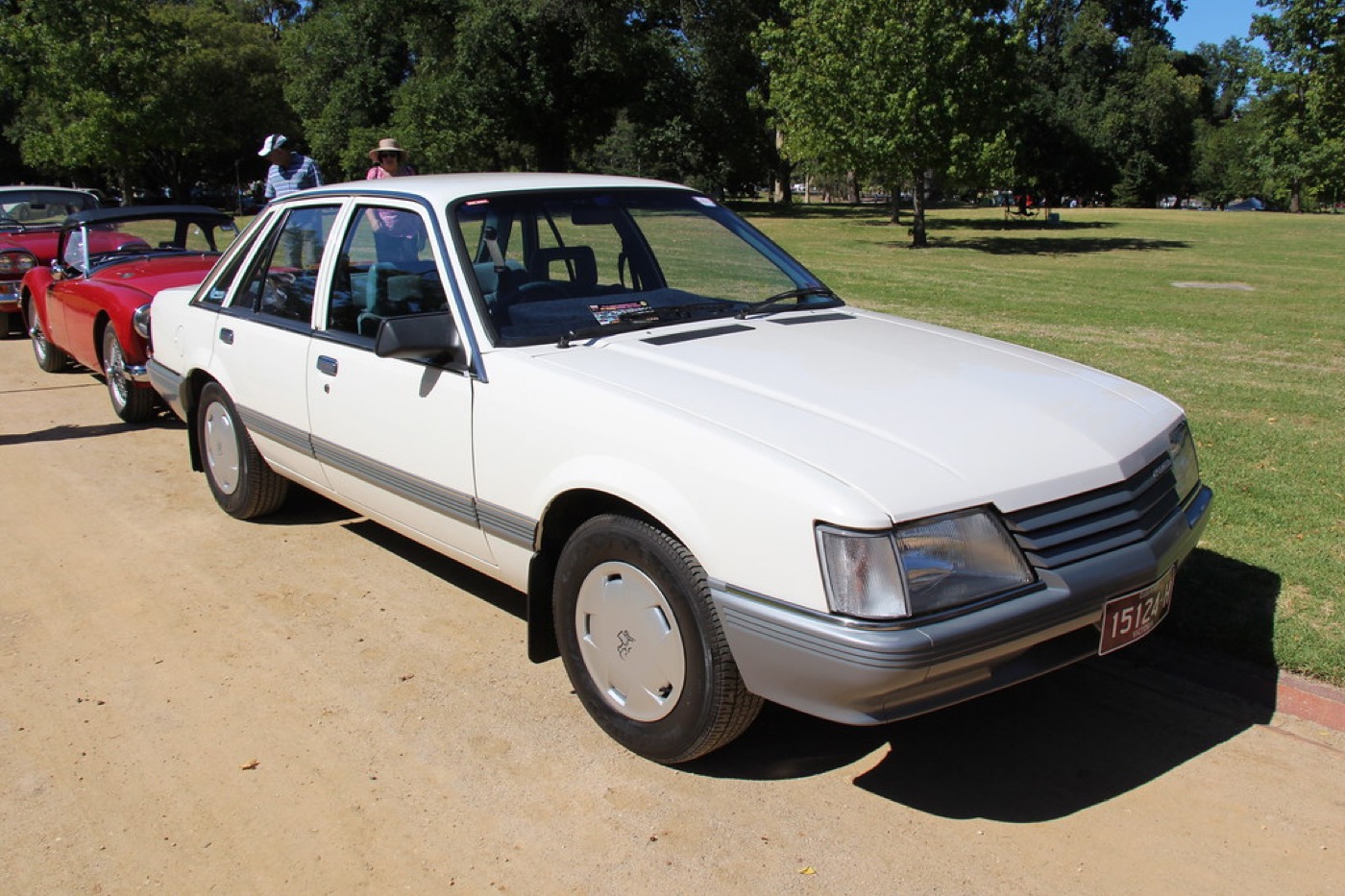
Why tar is different from other stains on the car body
Asphalt tar that splatters from the road is a complex mixture of hydrocarbons that, when hot, adheres perfectly to the car's paint. When it cools, it solidifies forming a hard and sticky layer that mechanically adheres to the paint. Trying to scrape it when it is cold and solid involves applying force that inevitably drags abrasive particles and scratches the car body's clear coat.
The correct principle is always to soften it first with a product that dissolves the tar without attacking the paint's clear coat, allow sufficient contact time, and then remove with minimal friction. Products based on hydrocarbons such as turpentine or eucalyptus spirit are effective, but specific tar removers for automotive use are safer for the clear coat.
Products that work for tar on the car body
You have several options, ordered from most to least recommended:
- Specific tar remover (Tar Remover): products such as Meguiar's Tar & Adhesive Remover, Chemical Guys Heavy Duty Tar Rem, or Sonax Insect & Tar Remover. They are formulated to dissolve the tar without attacking the paint's clear coat. They are the safest option.
- Eucalyptus oil or orange essential oil: dissolve the hydrocarbons in the tar naturally. Effective for small stains, but require more contact time (5-10 minutes).
- Mineral turpentine: effective but more aggressive on the clear coat. Use it only if you have no other option, dilute it to 50% with water, and act quickly to avoid damaging the clear coat.
- WD-40: It works as a tar solvent in small amounts. Apply, let sit for 2 minutes, and clean. It is slower than specific removers.
What does NOT work: water and soap alone do not dissolve tar. And what will damage the paint: any abrasive tool (rag, metal brush, scrapers) applied directly on dry tar will damage the paint.
Step-by-step technique to remove tar from the car body
- Wash the car first: remove surface dirt. Working on dirt increases the risk of micro-scratches because there are abrasive particles on the surface.
- Apply the remover on the stain: use a microfiber cloth or apply the product directly on the tar. Do not spread: apply on the affected area.
- Let the contact time pass: specific removers need between 1 and 3 minutes. Eucalyptus oil needs 5-10 minutes. Do not scratch during this time.
- Remove with a clean microfiber cloth: using light pressure and linear movements (not circular), lift the softened tar. If it does not come off completely, apply a second dose of the remover.
- Wash the area with car shampoo: remove residue from the remover and the tar. Rinse thoroughly.
- Apply wax or paint sealant: tar removers can remove or reduce the protective wax layer. Protect the treated area with a layer of car wax or sealant after cleaning.
The difference between scratching the paint and not doing so lies in respecting the contact time and avoiding any abrasive action. This principle is especially important when the tar is dry and hard, as it is more likely to cause damage if you try to remove it by scraping.
Tips for removing tar without scratching the paint
- Use a microfiber cloth to apply and remove the tar remover, as it is gentle on the paint and prevents scratches.
- Test the product on a small, inconspicuous area of the car first to ensure it doesn't damage the clear coat.
- Always work in a shaded area to prevent the tar from hardening too quickly due to sunlight exposure.
- After cleaning, use a dedicated car shampoo to avoid residue buildup and maintain the car's shine.
- Store tar removers in a cool, dry place to maintain their effectiveness and prevent evaporation of key ingredients.
Frequently asked questions
Can I use household products like vinegar or baking soda to remove tar? While vinegar and baking soda may help with some stains, they are not effective on tar. They can also be corrosive to the car's paint if used improperly. It's better to use a dedicated tar remover for the best results.
What should I do if the tar is already dry and hard? If the tar is dry and hard, it's more likely to scratch the paint if you try to remove it by scraping. The best approach is to use a tar remover to soften it first, then gently lift it with a microfiber cloth. Avoid using abrasive tools or harsh chemicals.
Is it safe to use a pressure washer on tar-stained areas? No, using a pressure washer on tar-stained areas can push the tar deeper into the paint and cause more damage. It's better to clean the tar manually with a tar remover and a soft cloth.
How often should I apply wax or sealant after removing tar? After removing tar, it's recommended to apply wax or sealant to protect the paint. For best results, apply wax every 3 to 6 months, depending on the climate and how often the car is exposed to the elements.
Can I use a steam cleaner to remove tar? Steam cleaners can be useful for removing some types of stains, but they are not recommended for tar. The high heat can make the tar more sticky and harder to remove. It's better to use a tar remover and gentle cleaning methods.