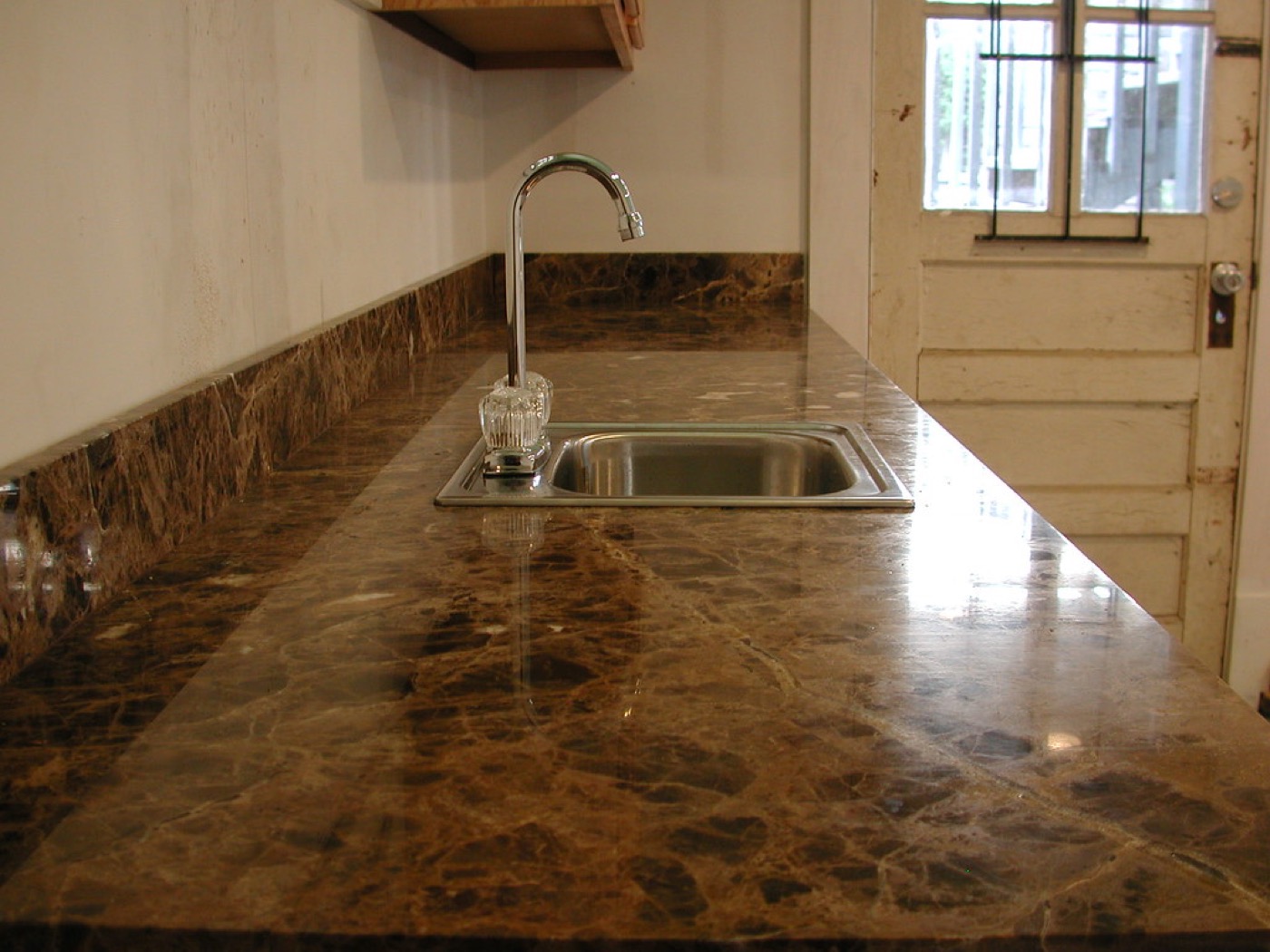
Why acid destroys marble so quickly
Marble is calcium carbonate (CaCO₃), and acids react with calcium carbonate violently and almost instantly. This reaction is called "acid etching" and is not just a surface stain: the acid literally dissolves the surface of the marble, creating a dull, rough and opaque area that visually looks like a stain but is actually structural damage to the stone.
The most common acids at home that attack marble are: lemon and orange juice, vinegar (even diluted), wine, carbonated soft drinks, coffee acid, yogurt, tomato, and some household cleaners such as descaling agents or acidic degreasers. Lemon water on the countertop for just 30 seconds can leave a permanent mark.
Immediate action: the first 30 seconds are key
If you have just spilled something acidic on marble, act immediately:
- Remove the liquid without rubbing: absorb with paper towel by applying gentle pressure, without spreading. Do not rub because it spreads the acid to a larger area.
- Neutralize the acid immediately: apply a generous amount of dry baking soda on the area. Baking soda (base) neutralizes the acid and stops the chemical reaction. You will see that it produces small bubbles, which indicates that it is working.
- Let it act for 1-2 minutes and remove: gently sweep the baking soda and rinse with plenty of water.
- Dry completely: use a soft and dry cloth to remove all moisture. Porous marble absorbs water if left too long and can generate calcium stains as it evaporates.
Water dilutes the acid but does not neutralize it. Bicarbonate does stop the chemical reaction. Always have a container of bicarbonate near marble countertops to act in seconds in case of any acid spill.
When the damage is already irreversible: acid etching
If the action was delayed or the acid was very concentrated, the acid etching has already occurred. You will recognize the etching because the affected area appears dull, opaque, and has a slightly rough texture compared to the shine of the surrounding marble. This difference is clearly noticeable by running your hand over it or looking with a grazing light.
At this point, the stain itself no longer exists: what you see is the difference in finish between the attacked area and the rest. No cleaning product will recover that shine because the damage is in the stone structure, not the surface. The options are: accept the result, try to disguise it with marble wax (which provides some temporary shine) or call a professional stone polishing expert.
A professional polisher can remove the etching through progressive abrasion with diamond polishers, restoring the original shine. The cost depends on the affected area and is usually between 50 and 200 euros per square meter for countertops. For small etchings, some marble workshops offer more economical localized repairs.
Products that YOU NEVER should use on marble
Many common cleaning products are deadly for marble. This includes practically any household cleaner with an acidic pH:
- Vinegar is a weak acid and can still cause etching, even when diluted. It is not safe for marble surfaces.
- Windex and other glass cleaners often contain ammonia or other harsh chemicals that can damage marble.
- Ammonia-based cleaners are highly alkaline and can cause discoloration or etching on marble.
- Acidic degreasers are designed to break down grease and oils, but they can also react with the calcium in marble, causing irreversible damage.
- Descaling agents are formulated to remove mineral buildup and often contain strong acids, making them incompatible with marble.
FAQ
Can I use a magic eraser on marble? No, magic erasers contain abrasive ingredients that can scratch the surface of marble and make etching more visible. They are not recommended for any natural stone surfaces.
Is it possible to restore etched marble at home? In most cases, no. Once the acid has etched the surface, the damage is structural and cannot be fully restored with home remedies. Professional polishing is the only way to restore the original finish.
What is the best way to prevent acid stains on marble? Always clean up spills immediately. Use coasters or trivets for acidic beverages. Avoid using acidic or abrasive cleaners on marble surfaces. Regularly apply a marble sealer to create a protective barrier.
Tips for preventing and treating acid stains
- Keep a container of baking soda near marble surfaces. It can neutralize spills in seconds and prevent etching.
- Use a pH-neutral cleaner specifically designed for marble. These are formulated to clean without damaging the stone's surface.
- Apply a marble sealer every 6-12 months. This creates a protective layer that helps prevent stains and etching from occurring.
- Use coasters and trivets for drinks and acidic foods. This prevents accidental spills and protects the surface from damage.
- Never use abrasive scrubbers or harsh chemicals on marble. These can scratch the surface and make etching more visible.