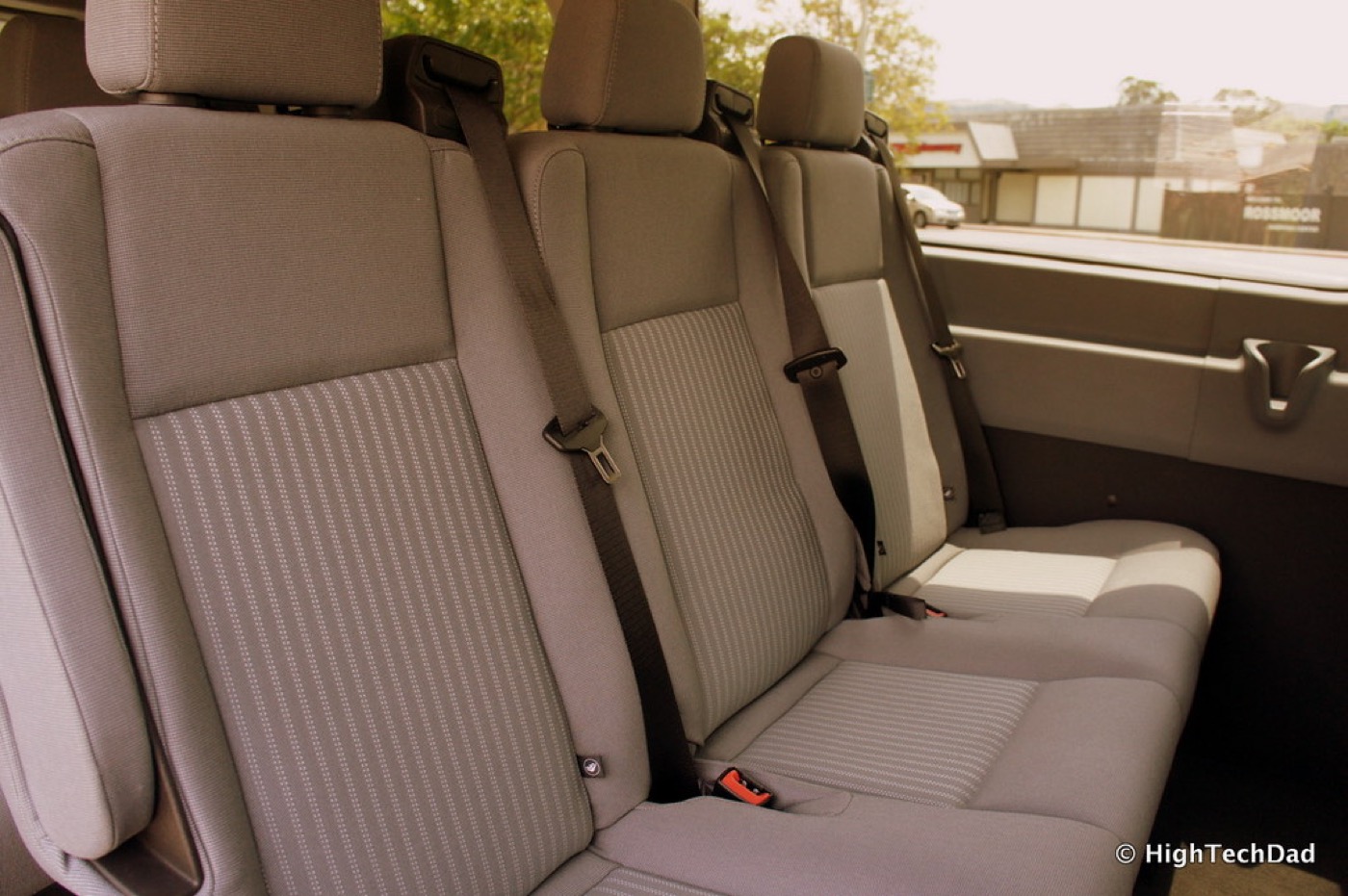
Why over-wetting car upholstery is a serious mistake
Unlike a home sofa, car upholstery is in a closed space with limited ventilation. If you wet the seat too much, the water penetrates the inner foam and may take several days to dry completely. During that time, the moisture inside the seat creates perfect conditions for mold growth and the generation of odors that are very difficult to remove later.
In addition, car upholstery is usually treated with factory protectors that excessive water can degrade. The goal is always to work on the surface, with the minimum amount of liquid needed, and to dry quickly before closing the vehicle.
What you need before starting
Prepare these materials before treating any stain on the car upholstery:
- Upholstery vacuum with upholstery nozzle
- Microfiber cloths (minimum three: one for applying, one for absorbing, one dry final)
- Specific car upholstery cleaner in foam (Chemical Guys Fabric Clean, Meguiar's Carpet & Upholstery Cleaner, or similar)
- Soft bristle brush (never metallic)
- Cold water in a fine spray
If you don't have a specific car cleaner, you can prepare an emergency solution with a teaspoon of neutral dish soap in 200 ml of cold water, but specific products are formulated to leave less residue and are safer for the factory treatments of the upholstery.
Step-by-step method to clean stains on fabric upholstery
Follow this protocol in strict order; skipping initial steps often worsens the result:
- Deep vacuum: before applying any liquid, vacuum the area to remove crumbs, dust, and solid particles. This is especially important for food or dry mud stains.
- Apply the foam cleaner: apply the product directly on the stain or load the brush with it. Most car upholstery cleaners are applied in foam to minimize moisture.
- Work with a soft brush: move the brush in short, gentle strokes in one direction (following the hair of the fabric if it has any). Do not scrub in circles or vigorously back and forth.
- Absorb with microfiber: press the dry microfiber cloth over the worked area to absorb the cleaner with the dissolved dirt. Fold the cloth to work always with a clean side.
- Check the result: if the stain has disappeared, wipe with a clean, slightly damp cloth to remove any product residue and finish with a dry cloth.
- Dry with maximum ventilation: leave the doors or windows open for at least 30 minutes. On cold or humid days, use the car's heater with ventilation to speed up drying.
Never close the car immediately after cleaning the upholstery, even if the surface feels dry to the touch. The interior of the padding may still be damp for hours, and closing it without ventilation creates the perfect environment for mold and damp smell.
Most common specific stains in the car
Coffee or soda: act immediately by absorbing the excess with absorbent paper. Apply cold water with a very
Tips to prevent over-wetting and ensure effective cleaning
- Use a spray bottle with a fine mist setting to apply water or cleaner—this minimizes liquid contact and prevents saturation.
- Always test any cleaning product on a small, inconspicuous area first to avoid damaging the fabric or its protective coating.
- After cleaning, use a hairdryer on a cool setting to speed up drying, especially in areas that are hard to ventilate.
- Keep a small towel or microfiber cloth in your car for quick spot cleaning of spills before they set.
- Store the car in a shaded area when not in use to reduce the risk of moisture buildup and UV damage to the upholstery.
FAQ: Frequently Asked Questions
Can I use regular household cleaners on car upholstery? While some household cleaners can work, they may contain harsh chemicals that can degrade the factory protectors on your upholstery. It's always better to use a specific car upholstery cleaner designed for this purpose.
What should I do if the stain is already set? For set-in stains, you'll need to use a stronger cleaner or a stain remover specifically formulated for fabric. Always test the product on a small area first to ensure it doesn't damage the fabric.
How often should I clean my car upholstery? It's recommended to clean your car upholstery every 3 to 6 months, or more frequently if you have pets, children, or frequent spills. Regular cleaning helps prevent stains from setting and keeps the upholstery looking fresh.
Is it safe to use a steam cleaner on car upholstery? Steam cleaners can be risky for car upholstery because the high heat and moisture can damage the fabric and its protective treatments. It's best to avoid steam cleaners and opt for a dry or low-moisture cleaning method instead.