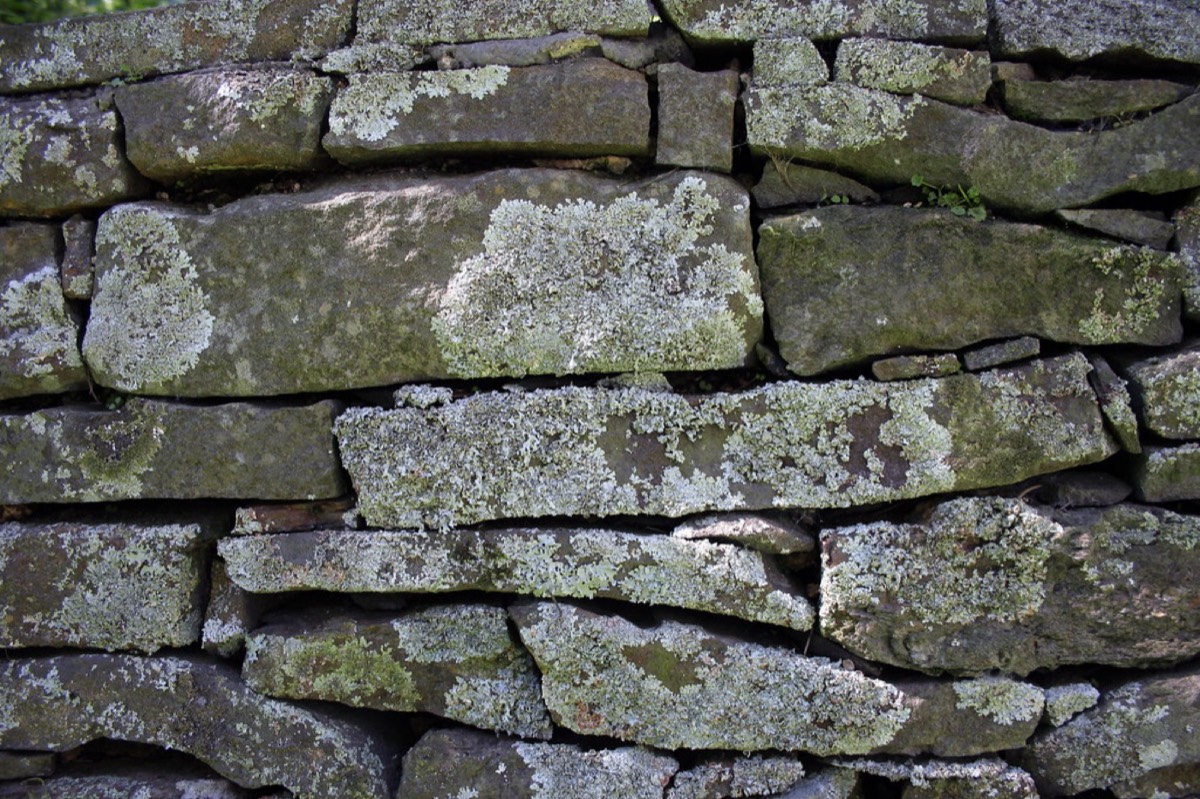
Why does mold appear on the terrace
Mold on exterior stone, concrete, or ceramic surfaces is a very common problem in areas with humidity, little direct sunlight, or water accumulation from rain. Mold spores are present in the environment and only need moisture and minimal organic matter (dust, leaves, soil) to colonize any porous surface. The result is those green, black, or gray stains that appear especially in winter or in shaded areas.
In addition to the unattractive appearance, mold makes surfaces slippery, which poses a real risk of falls on terraces and access areas. That is why it is advisable to act even if it is only for safety.
Identify the type of surface before acting
Not all stones or exterior materials tolerate the same products. Before applying anything aggressive, identify the material:
- Concrete and ceramic: Very resistant. They can tolerate diluted bleach, hydrocleaner, and alkaline products.
- Natural stone (granite, limestone, sandstone): More porous and delicate. Limestone is sensitive to acidic products. Use neutral or specific products for natural stone.
- Terrazzo: Quite resistant but can lose shine with very aggressive or abrasive treatments.
- Treated wood (flooring): Avoid bleach. Use specific products for exterior wood.
Method with diluted bleach for concrete and ceramic
1. Protect the plants and the surrounding area
If there are plants nearby, cover them with plastic before starting. Diluted bleach usually doesn't damage the soil in small quantities, but it's better to prevent. Also wear gloves and if you use a large amount, safety goggles.
2. Sweep or vacuum the dry surface
Remove leaves, loose soil and any organic residue before moistening. If you apply bleach on organic dirt, the effectiveness is reduced and you generate less mold removed.
3. Apply the bleach solution
Mix 1 part bleach with 10 parts water. Apply with a mop, a sprayer or a bucket on the moldy area. Let it act between 15 and 3,0 minutes. You will see as the mold starts to discolor.
4. Scrub and rinse
Use a stiff-bristled brush to scrub the surface and finish lifting the mold. Then rinse thoroughly with plenty of water, ideally with a hose. In terraces with drainage, the process is simple.
Method with pressure washer
The pressure washer (pressure machine) is the most effective option for large surfaces or with very embedded mold. The water jet lifts the mold mechanically without the need for chemical products. It is especially useful for natural stone floors that do not tolerate aggressive products well.
Adjust the pressure according to the surface: concrete and ceramic can tolerate high pressures, but sandstone or terrazzo may require lower pressures to not damage the surface. Keep the nozzle in motion and do not concentrate it on a single point for too long.
Once the surface is clean and dry, a specific sealer or waterproofing product for the exterior significantly slows down the reappearance of mold by reducing porosity.
Tips for effective mold removal
- Use a soft-bristled brush for delicate surfaces like natural stone to avoid scratches.
- Test any product on a small, inconspicuous area first to ensure it doesn't damage the surface.
- For large terraces, consider using a garden hose with a spray nozzle to evenly distribute the cleaning solution.
- After cleaning, allow the surface to dry completely before applying any sealant or waterproofing agent.
- For stubborn mold, combine a pressure washer with a mild detergent solution for better results.