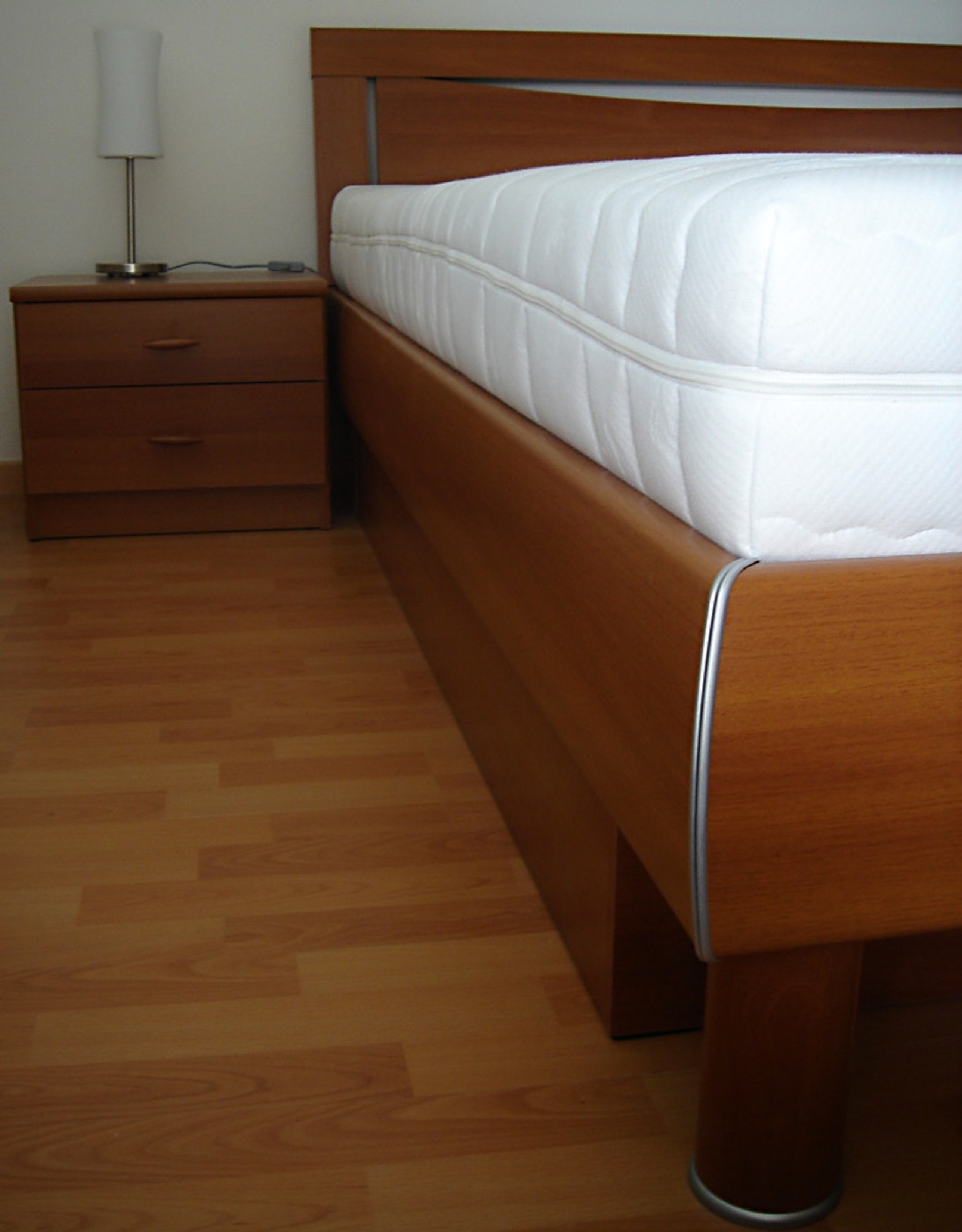
Why mites and moisture are a serious problem in the mattress
The mattress constantly accumulates moisture: sweat at night, breathing and temperature changes create the perfect environment for dust mites to multiply and for moisture stains to appear on the fabric or even mold inside. An uncleaned mattress can harbor millions of mites within a few months, which directly affects people with allergies or asthma.
The good news is that disinfecting the mattress does not require aggressive products or professional machinery in most cases. With a correct routine and the right products, the mattress can be kept in good condition for years.
Difference between mites and mold: how to identify the problem
Before taking action, it is convenient to know what we are facing. Mites are not visible to the naked eye, but their symptoms are: itchy eyes, nasal congestion upon waking, frequent sneezing in the morning or allergic reactions without an apparent cause. Mold, on the other hand, usually appears as dark stains (green, black or gray) on the surface of the mattress, usually on the sides or at the base if there is poor ventilation under the bed.
- Mites: no visible stain, but allergic symptoms upon waking.
- Superficial mold: stains with a damp smell, sometimes with texture.
- Internal moisture: the mattress smells stuffy even though it is clean on the outside.
Step-by-step method to disinfect the mattress
1. Remove all bedding and wash in hot water
The sheets, pillowcases, and pillows must be washed at 60 degrees or higher to eliminate mites safely. A simple shake is not enough. If the pillowcases or mattress protector cannot withstand that temperature, replace them with washable allergen-proof materials.
2. Vacuum the mattress with a upholstery attachment
Use the vacuum cleaner with the upholstery attachment to go over the entire surface: top side, sides, and bottom if possible to flip it. Pay special attention to the seams and edges, where more dust and organic residues accumulate. Repeat the process on both sides.
3. Treat moisture or mold stains
For superficial mold stains, mix one part 70-degree alcohol with one part water and apply with a clean cloth. Do not soak the mattress. Gently rub and let it dry completely before proceeding. In cases of more extensive mold, it is advisable to use a specific textile disinfectant or consult a professional cleaning service.
4. Apply baking soda over the entire surface
Sprinkle a generous layer of sodium bicarbonate over the entire top side of the mattress. Baking soda absorbs residual moisture and neutralizes odors. Let it act for 1 to 4 hours. Then vacuum again to remove the white powder.
5. Ventilate the mattress in a vertical position
If the weather allows, take the mattress to a well-ventilated area or place one or two fans facing it to speed up drying. Direct sunlight also helps eliminate mites, although it is not essential. At least put the mattress in a vertical position for a few hours to allow air to circulate on both sides.
Residual moisture trapped under the sheets can cause mold to return, creating a cycle of recontamination. Always ensure the mattress is fully dry before adding any bedding.
Tips for effective mattress disinfection
- Use a vacuum with a HEPA filter to capture more mites and allergens during cleaning.
- After applying baking soda, use a damp cloth to wipe the mattress surface to remove any remaining residue.
- For a natural alternative to chemical disinfectants, use a solution of white vinegar and water (1:1 ratio) to clean and deodorize the mattress.
- Place a dehumidifier near the mattress during the drying process to speed up moisture removal and prevent mold growth.
- Consider using a mattress protector with a waterproof and allergen-proof barrier to prevent future moisture and mite infestations.
FAQ: Frequently Asked Questions
Can I use Vanish or Cif on my mattress? Yes, both Vanish and Cif are safe for use on mattresses, but always follow the product instructions and test on a small area first to avoid fabric damage.
How often should I disinfect my mattress? It is recommended to disinfect your mattress at least once every three to six months, especially if you have allergies or live in a humid climate.
Is it possible to disinfect a mattress without removing it from the bed frame? Yes, you can vacuum and clean the mattress while it is still on the bed frame, but ensure you can reach all sides and corners for thorough cleaning.
Can I use bleach to disinfect my mattress? Bleach is not recommended for mattresses as it can damage the fabric and cause an unpleasant chemical smell. Use a safer alternative like white vinegar or a mild detergent solution instead.
What should I do if the mattress still smells after cleaning? If the mattress still has an odor, it may indicate residual moisture or mold. Allow it to dry completely in a well-ventilated area, and consider using an odor-eliminating spray or baking soda to neutralize the smell.