How to create a wildflower meadow from scratch in your garden
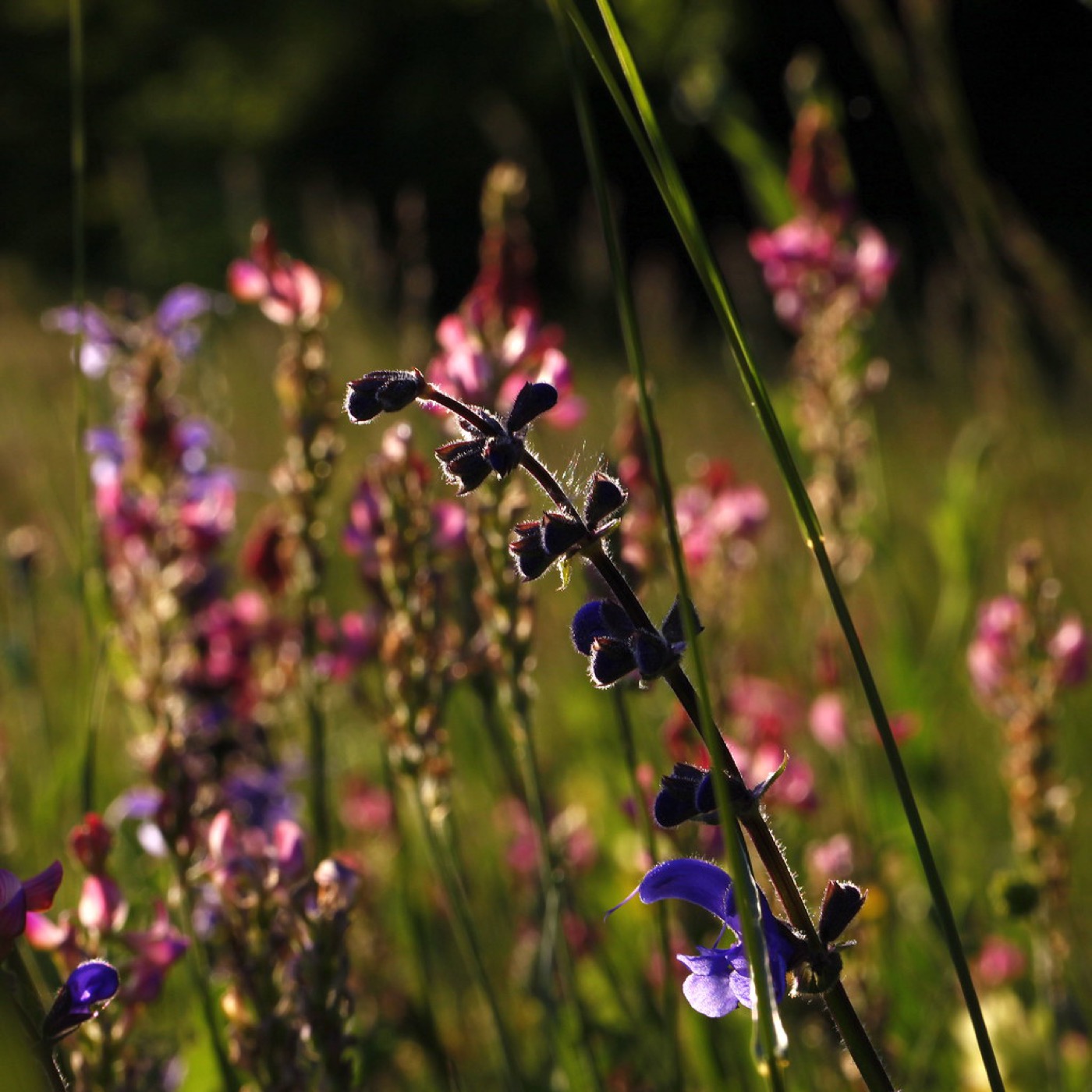
Getting Your Wildflower Meadow Ready
If you're planning to create a wildflower meadow in your garden, the first step is to prepare the soil properly. A healthy, well-drained soil base is essential for the success of your wildflower meadow. Before you start planting, it's important to test your soil to determine its pH level and nutrient content. Most wildflowers thrive in slightly acidic to neutral soil, with a pH range of 6.5 to 7.5. If your soil is too acidic, you can add lime to raise the pH, and if it's too alkaline, you can use sulfur to lower it.
Once you've adjusted the pH, it's time to enrich the soil with organic matter. Compost or well-rotted manure is an excellent addition that will provide essential nutrients and improve soil structure. Aim to mix 5 to 10 centimeters of compost into the top 15 centimeters of soil. This will help the soil retain moisture while also improving drainage. It's also a good idea to till the soil to remove weeds and improve aeration. Soil preparation should be done at least a month before planting to allow the organic materials to break down and integrate into the soil.
Depending on your soil type, you may need to make some adjustments. For example, if you have clay soil, which tends to be heavy and poorly drained, you can add sand or perlite to improve drainage. If your soil is sandy, which drains too quickly, you can add peat or compost to help it retain more water. These amendments will help create the ideal growing conditions for your wildflowers. Keep in mind that the foundation you lay now will have a big impact on the health and longevity of your meadow.
Picking the Right Wildflower Species
Choosing the right wildflower species is just as important as preparing the soil. A diverse mix of native plants will create a more resilient and visually appealing meadow. Native wildflowers are adapted to your local climate and soil conditions, which means they'll require less maintenance and are more likely to thrive. Some popular native wildflowers include daisies, dandelions, chicory, thistles, and verbena.
When selecting your plants, consider the bloom times to ensure you have a long-lasting display of color throughout the growing season. For example, you can pair early-blooming flowers like clover with late-blooming varieties like chamomile. This will give you a continuous bloom from spring through summer. It's also a good idea to include plants of different heights and textures to add visual interest. Tall grasses like lamb's quarters and broad-leafed clover can create a natural, layered look.
Don't forget to take into account the sunlight requirements of each plant. Some wildflowers, like chicory, prefer full sun, while others, like verbena, can tolerate partial shade. Be sure to place your plants in the right location based on their light needs. A good rule of thumb is to plant at least 10 to 15 different species to promote biodiversity and reduce the risk of pests and diseases. This variety will also help your meadow look more natural and wild.
Planting Your Wildflower Meadow
Once your soil is prepared and your plant selection is finalized, it's time to start planting. Wildflower meadows can be planted using either seeds or transplants, depending on your preference and the time of year. If you're planting from seeds, you'll need to choose a mix that includes a variety of species to ensure a balanced and colorful display. For best results, plant your seeds in the early spring or late fall, when the weather is mild and the ground is still workable.
When sowing seeds, it's important to spread them evenly across the prepared soil. You can use a seed spreader or simply hand-sow them, making sure to cover them lightly with soil. For transplants, dig up healthy seedlings and plant them at the same depth they were growing in their original container. Water the area regularly after planting to help the seeds or transplants establish themselves. Keep in mind that wildflowers may take a few weeks to germinate, so be patient and avoid disturbing the soil too soon.
It's also a good idea to plant in blocks or clusters rather than in straight lines. This will create a more natural, wildflower-like appearance and encourage the plants to spread and fill in the space over time. If you're planting in a larger area, you can divide the space into sections and plant different species in each section. This will not only make your meadow look more dynamic but also help support a wider range of pollinators and wildlife.
Caring for Your Wildflower Meadow
Once your wildflower meadow is planted, it's important to provide the right care to ensure it thrives. While wildflowers are generally low maintenance, they still require some attention, especially in the first few growing seasons. One of the most important things to do is to avoid mowing your meadow too early in the season. Let the flowers bloom and set seed to encourage natural regeneration. If you do need to mow, wait until after the first bloom cycle, and keep the mower blade high to avoid cutting the plants too short.
Watering is another important consideration, especially during the first year when the plants are establishing themselves. While wildflowers are drought-tolerant once they're mature, they may need some supplemental water during dry spells. However, be careful not to overwater, as this can lead to root rot and other issues. If you're in an area with heavy rainfall, you may not need to water at all. Just make sure the soil is well-drained to prevent waterlogging.
Another key aspect of care is pest and disease management. While wildflowers are generally resistant to most pests and diseases, you can still take steps to protect your meadow. Avoid using chemical pesticides, as they can harm beneficial insects like bees and butterflies. Instead, encourage natural predators like ladybugs and lacewings to help control pest populations. You can also use organic mulch to suppress weeds and retain moisture in the soil. With a little care and attention, your wildflower meadow will flourish and provide a beautiful, natural habitat for wildlife.
Wildflower Meadow Care Tips
- Plant a mix of native wildflowers to promote biodiversity and reduce maintenance.
- Prepare your soil with compost or manure to improve fertility and drainage.
- Plant in blocks or clusters for a more natural, wildflower-like appearance.
- Wait until after the first bloom cycle to mow your meadow.
- Use organic mulch to suppress weeds and retain soil moisture.
- Encourage beneficial insects by avoiding chemical pesticides and planting a variety of flowering plants.
Tips for Creating a Wildflower Meadow
- Test your soil pH before planting to ensure it's suitable for the wildflower species you choose. Most wildflowers thrive in slightly acidic to neutral soil (pH 6.0–7.0).
- Use a seed spreader to ensure even distribution of seeds, especially for larger areas, to avoid patchy growth.
- Mark the planting area with stakes or flags to help you keep track of where you've sown seeds, especially if you're working alone.
- Water the area regularly for the first few weeks after planting to help establish the seedlings, especially in dry climates.
- Consider using a mulch layer of straw or wood chips to suppress weeds and retain soil moisture during the early growth phase.
- Choose a location that receives full sun for at least 6 hours a day to ensure the best growth and flowering.
- Use a mix of tall and short wildflowers to create visual interest and encourage a diverse ecosystem for pollinators.
- Keep the area free of invasive weeds by hand-pulling or using a hoe in the first year to give your wildflowers a better chance to establish.
- Consider adding a few hardy perennials like lavender or yarrow to complement the wildflower mix and provide year-round interest.
- Check local regulations to ensure that the wildflower species you choose are not protected or restricted in your area.