The best plants for shady garden areas: selection guide by climate and aesthetics
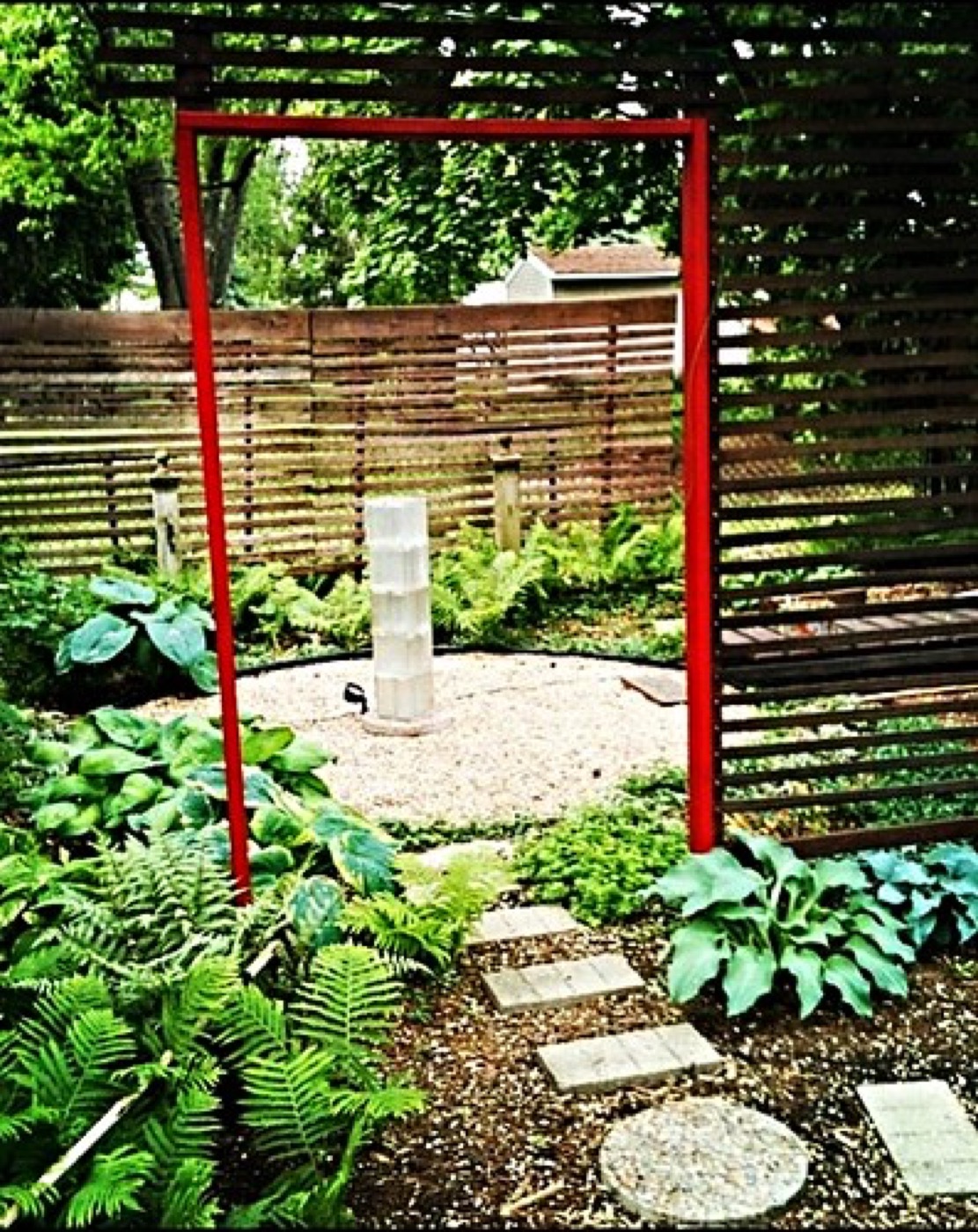
Why Choose Shade-Loving Plants for Your Garden
Shaded areas in your garden can be a bit of a challenge for the average gardener. With limited sunlight, it can be tricky to find plants that thrive in these conditions. But don’t worry—these spaces can still be beautiful and functional if you choose the right plants. The key is to select species that can tolerate partial shade or full shade, depending on the specific conditions of your garden. Understanding the unique needs of each plant, along with your local climate and soil type, is essential for creating a balanced and visually appealing garden. For instance, in cooler climates, plants like heuchera or fritillaria can flourish even in shaded areas. In warmer regions, you’ll want to choose species that can handle the heat while still thriving in shade. This article will guide you through selecting the best plants for shaded areas, how to choose them based on your climate, and how to integrate them into your garden design for a cohesive and attractive look.
Choosing the Right Plants Based on Shade Type
The type of shade in your garden is a crucial factor when selecting plants. Shade can range from partial shade, where some sunlight still reaches the area, to full shade, where no direct sunlight is present. Each type of shade requires a different approach when choosing plants. For example, in areas with partial shade, you can grow plants like the shade geranium (Geranium phaeum) or the garden cypress (Cupressus sempervirens ‘Columbianus’), which can thrive in these conditions. In contrast, full shade areas are better suited for plants like rhododendrons or ivy (Hedera helix), which are more tolerant of low-light environments. It’s also important to consider the depth of the shade, as even within a shaded area, there can be variations. For instance, a shaded spot under a tree might be cooler and more humid than a shaded area under a wooden fence. Understanding these differences will help you choose plants that are better adapted to the specific conditions of each area in your garden.
Best Plants for Shaded Areas in Cool Climates
In cooler climates, shaded areas tend to be colder and more humid, which can be ideal for certain plant species. Look for plants that can tolerate both moisture and lower temperatures. Azaleas (Rhododendron) are a great choice, as they bloom in spring and can withstand temperatures ranging from -10°C to 25°C. Another excellent option is the fritillaria (Fritillaria meleagris), which blooms in spring and thrives in moist soils. Heuchera (Heuchera) is also a versatile plant that can grow in partial or full shade, and its colorful foliage makes it a standout in any garden. In areas with long, harsh winters, it’s recommended to plant these species in groups to enhance their cold hardiness. Additionally, planting bulbous roots like tulips (Tulipa) in shaded areas can be beneficial, as they can survive the cold and bloom beautifully in spring. These plants not only add visual interest but also provide a sense of structure and color to your shaded garden space.
Best Plants for Shaded Areas in Warm Climates
In warmer climates, shaded areas can be more challenging due to higher temperatures and less moisture. However, there are still many plants that can thrive in these conditions. Look for species that are heat-tolerant but still require some shade to prevent sun damage. Plants like the fern (Pteris) or the hosta (Hosta) are excellent choices, as they can handle the heat while still flourishing in shaded areas. Another great option is the Japanese painted fern (Athyrium niponicum), which adds a touch of elegance with its delicate fronds. For a more dramatic effect, consider planting the purple coneflower (Echinacea purpurea), which can grow in partial shade and still produce vibrant blooms. In addition to these, the bleeding heart (Lamprocapnos spicata) is another shade-loving plant that can add a soft, romantic feel to your garden. These plants not only provide beauty but also help to create a more balanced and inviting environment in your shaded garden.
Designing Your Shaded Garden for Aesthetic Harmony
Creating an aesthetically pleasing shaded garden requires thoughtful planning and a balance between function and beauty. Start by considering the overall layout of your garden and how the shaded areas fit into the larger design. Use a mix of textures, colors, and heights to add visual interest and depth. For example, pair tall, upright plants like the Japanese anemone (Anemone hupehensis) with shorter, spreading plants like the creeping thyme (Thymus) to create a layered look. Incorporate elements like trellises or arbors to add structure and provide additional support for climbing plants. Don’t forget to include focal points such as sculptures, water features, or seating areas to make the space more inviting. Finally, consider the seasonal changes in your garden and choose plants that will provide color and interest throughout the year. By taking these factors into account, you can create a shaded garden that is not only functional but also visually stunning.
5 Tips for Choosing and Planting Shade-Loving Plants
- Choose plants that are suited to your specific shade conditions—partial or full shade.
- Consider the climate of your region and select plants that can thrive in both temperature and light conditions.
- Group plants together to create a more natural and cohesive look in your shaded garden.
- Use a mix of textures and colors to add visual interest and depth to your garden design.
- Include elements like trellises or seating areas to enhance the functionality and beauty of your shaded space.