The best plants for a Mediterranean garden in Spain
Understanding the Mediterranean Climate and Its Impact on Garden Plant Selection
If you're planning a garden in Spain, it's essential to understand the local climate and how it affects the types of plants you can grow. The Mediterranean climate is the defining characteristic of much of the country, and it's known for its warm, dry summers, mild and rainy winters, and temperate springs. These conditions mean that your garden plants need to be resilient to heat, drought, and occasional periods of low rainfall. In the summer, temperatures can soar to 35°C or more, while in the winter, they rarely drop below 5°C. Rainfall is typically concentrated between October and March, so your plants must be able to withstand dry spells and handle the occasional burst of moisture.
When selecting plants for a Mediterranean garden, look for species that are drought-tolerant, heat-resistant, and can thrive in saline soils, especially in coastal areas where salt can seep into the soil. Native plants are often the best choice because they're already adapted to these conditions and require less maintenance. For example, rosemary and thyme are excellent choices because they're native to the region and have evolved to survive in the local climate. They can thrive in poor soil and with minimal irrigation, making them ideal for low-water gardens.
Another important factor to consider is the amount of sunlight your garden receives. In sunny areas, plants like lavender and olive trees can flourish, while in more shaded spots, species like rosemary or eucalyptus may be better suited. Understanding your garden's exposure to sunlight will help you choose the right plants for each area. Additionally, it's crucial to assess the type of soil and its pH level. Some soils are more alkaline, which can affect the availability of nutrients for your plants. By selecting the right plants for your specific conditions, you can create a thriving, low-maintenance garden that's perfectly suited to the Mediterranean climate.
Native Plants of the Iberian Peninsula: The Foundation of a Mediterranean Garden
Native plants from the Iberian Peninsula form the backbone of a successful Mediterranean garden. These species are naturally adapted to the local climate and soil conditions, requiring less water and care than non-native plants. They're also more resistant to pests and diseases, making them a great choice for sustainable gardening. Some of the most popular native plants include rosemary, thyme, oregano, and lavender. These plants are not only hardy but also have a long history of use in both culinary and medicinal applications.
Rosemary is a standout choice for Mediterranean gardens. It thrives in poor, well-drained soil and requires minimal irrigation, making it perfect for dry, sunny areas. Its aromatic leaves are commonly used in cooking and can also be used to make herbal teas. Thyme is another versatile plant that's well-suited to the Mediterranean climate. It prefers sandy or calcareous soils and can grow in areas with low moisture. Thyme is often used in Mediterranean cuisine and has a long shelf life when dried, making it a valuable addition to any garden.
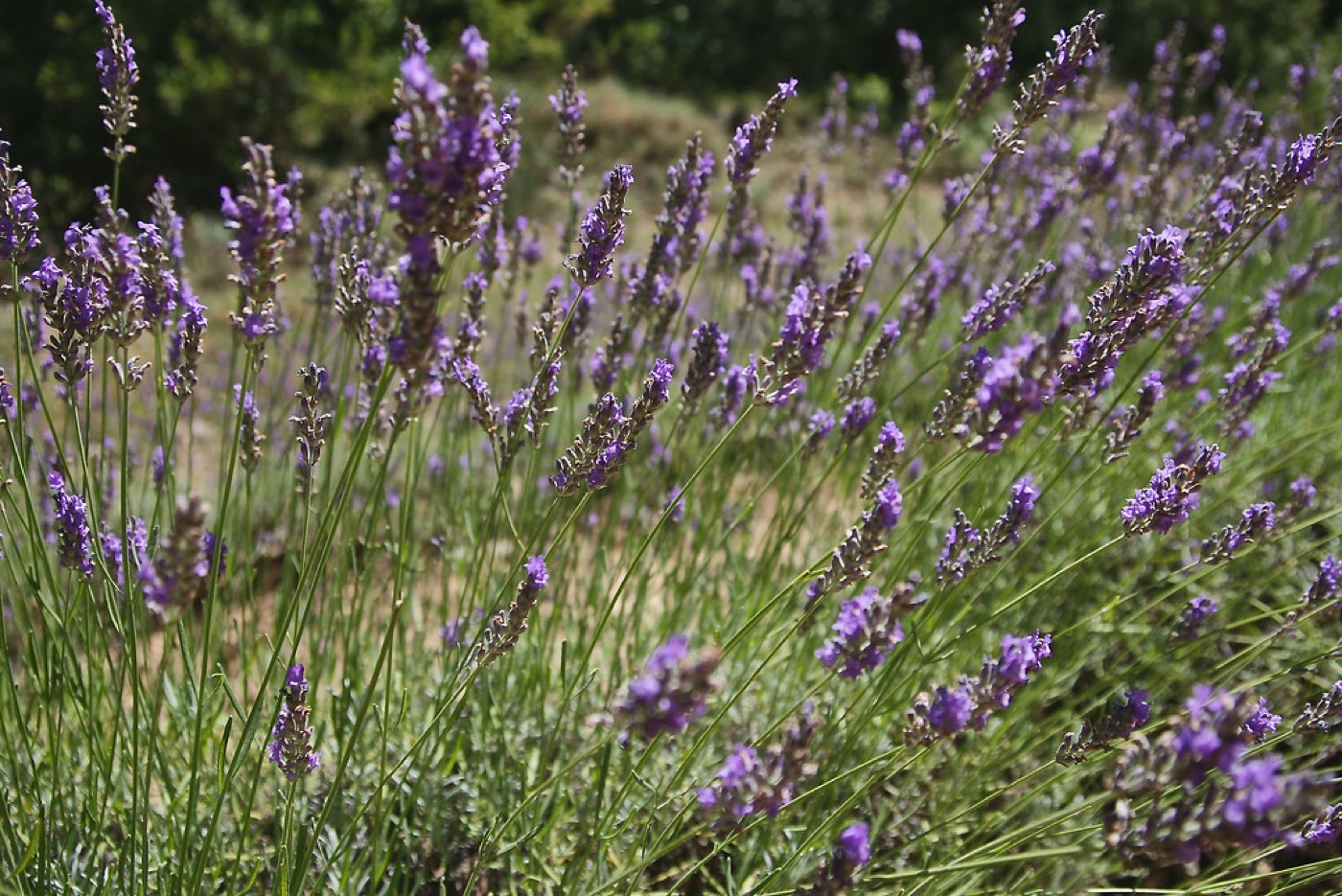
Oregano is another essential plant for Mediterranean gardens. It grows well in dry, sunny conditions and is ideal for culinary use. Its strong flavor makes it a favorite in many Spanish dishes. Lavender, on the other hand, is one of the most iconic plants associated with the Mediterranean. It thrives in well-drained soil and full sun, and although it requires moderate watering, it doesn't tolerate excessive moisture. Lavender is widely used in aromatherapy and can also be harvested for use in cooking or as a natural insect repellent.
Finally, olive trees are a staple in Mediterranean gardens, especially in coastal areas. They are hardy, long-lived, and can thrive in a variety of soil types. Olive trees are not only ornamental but also have practical uses, as they produce olives that can be used in cooking or for oil production. By incorporating these native plants into your garden, you'll create a space that's both beautiful and functional, perfectly suited to the Mediterranean climate.
Choosing the Right Plants for Different Garden Conditions
When designing a Mediterranean garden, it's important to consider the specific conditions of your garden and choose plants that are well-suited to those conditions. For example, if your garden is in a sunny, dry area, you'll want to select plants that can tolerate heat and drought. Lavender, rosemary, and thyme are excellent choices for such environments. These plants not only thrive in these conditions but also add fragrance and visual interest to your garden.
On the other hand, if your garden is in a more shaded area, you'll need to select plants that can grow in lower light conditions. While many Mediterranean plants prefer full sun, some, like rosemary and eucalyptus, can tolerate partial shade. These plants are still hardy and can thrive in a variety of conditions, making them versatile choices for different parts of your garden. It's also important to consider the soil type and pH level when selecting plants. Some plants, like lavender and oregano, prefer well-drained, slightly alkaline soils, while others may require more moisture or acidic conditions.
Another key factor to consider is the amount of water your garden receives. In areas with limited rainfall, it's crucial to choose plants that are drought-tolerant and require minimal irrigation. Native plants are often the best choice for these conditions as they have evolved to survive with less water. Additionally, you can incorporate mulch or other water-retaining techniques to help conserve moisture in your garden. By selecting the right plants for your specific conditions, you can create a garden that is both beautiful and sustainable.
Creating a Sustainable and Low-Maintenance Mediterranean Garden
One of the greatest advantages of a Mediterranean garden is its ability to be both sustainable and low-maintenance. By choosing native plants that are well-adapted to the local climate and soil conditions, you can reduce the need for frequent watering, fertilizing, and pest control. This not only saves time and effort but also helps to conserve water and reduce the environmental impact of your garden.
In addition to selecting the right plants, there are several other strategies you can use to create a sustainable garden. For example, using mulch can help retain soil moisture and suppress weeds, reducing the need for frequent watering. Composting organic waste can provide a natural source of nutrients for your plants, further reducing the need for chemical fertilizers. It's also a good idea to incorporate native plants into your garden, as they are more likely to thrive with minimal care and support local wildlife.
Another important consideration is the use of natural pest control methods. Instead of relying on chemical pesticides, you can introduce beneficial insects or use organic solutions to manage pests in your garden. This not only protects your plants but also helps to maintain a balanced ecosystem in your garden. By adopting these sustainable practices, you can create a garden that is both beautiful and environmentally friendly, making the most of the natural conditions of the Mediterranean climate.
5 Tips for Creating a Mediterranean Garden
- Choose native plants that are adapted to the local climate and soil conditions.
- Use drought-tolerant species like rosemary, thyme, and lavender for sunny areas.
- Incorporate plants that can thrive in partial shade, such as eucalyptus or rosemary, for shaded spots.
- Ensure good drainage in your soil to prevent waterlogging, which can damage many Mediterranean plants.
- Use mulch and compost to conserve moisture and provide natural nutrients to your plants.
Tips for Creating a Mediterranean Garden in Spain
- Test your soil pH before planting to ensure it's suitable for Mediterranean plants, which generally prefer slightly alkaline conditions.
- Use gravel or crushed stone as mulch to help retain soil temperature and reduce evaporation while improving drainage.
- Plant in groups to create a natural look and provide shade for more sensitive plants during the hottest part of the day.
- Install drip irrigation systems to deliver water directly to the roots, reducing waste and ensuring efficient use.
- Prune regularly to maintain shape and encourage new growth, especially for plants like lavender and rosemary.
- Choose native plants whenever possible, as they are better adapted to local conditions and require less maintenance.
- Use raised beds or terracing to improve drainage in heavy clay soils, which can be common in many parts of Spain.
- Plant drought-tolerant ground covers like thyme or santolina to suppress weeds and reduce the need for frequent watering.
- Ensure proper spacing between plants to allow for air circulation, which helps prevent fungal diseases in humid conditions.