Mediterranean Garden Maintenance Calendar Month by, Month
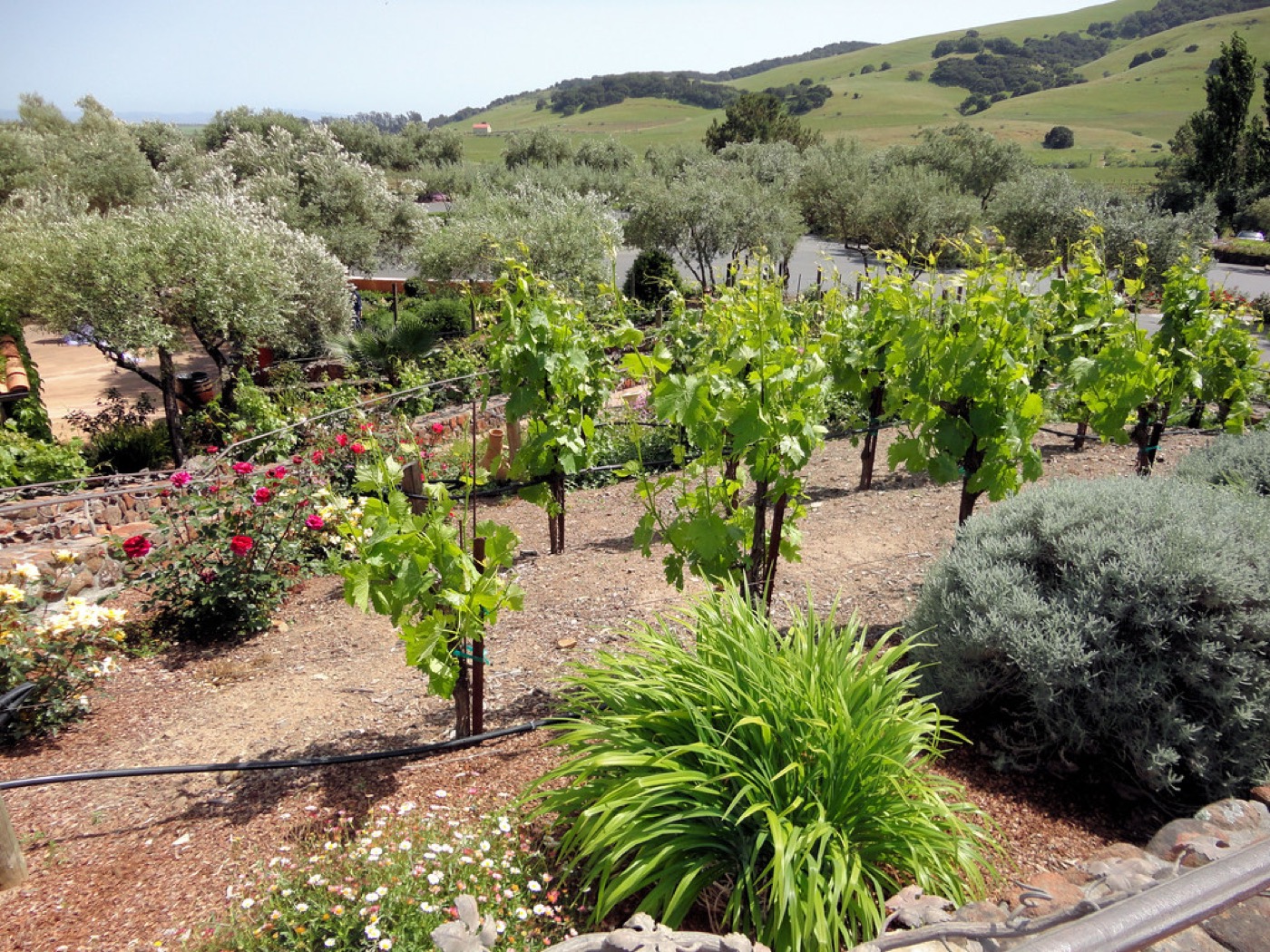
January-February: Pruning Woody Shrubs for Shape and Health
As the winter months begin to wane and the first hints of spring start to appear, it's time to give your Mediterranean garden a gentle but important boost. January and February are the perfect months for pruning woody shrubs like lavender and rosemary, which are known for their hardy and fragrant qualities. This is the ideal time to shape these plants, as the cold weather has slowed their growth and they're less likely to suffer from stress during the process.
When pruning, it's important to keep things in check—only trim up to a third of the plant's volume. Over-pruning can weaken the shrubs and make them more susceptible to disease or pests. Always use clean, sharp shears to make precise cuts and avoid damaging the plant's structure. This not only helps the shrubs recover more quickly but also promotes healthy growth in the coming months.
Remember, the goal here is to maintain the shape and encourage new growth rather than drastically reduce the plant's size. A well-pruned shrub will look neater, be more resistant to disease, and provide better fragrance and color in the spring. It's also a great time to inspect the plants for any signs of damage or disease, and to remove any dead or diseased branches to keep the garden healthy and vibrant.
March-April: Planting New Mediterranean Species and Soil Prep
As the weather starts to warm up and the threat of harsh winter conditions fades, March and April are the ideal months to plant new Mediterranean species. These plants are well-suited to the dry, sunny conditions of a Mediterranean climate, and planting them early gives them the best chance to establish strong roots before the summer heat sets in.
Before you start planting, it's a good idea to prepare the soil. Adding a layer of mature compost will enrich the soil with nutrients and improve its structure, making it more suitable for the plants you're introducing. It's also a great time to check your irrigation system to ensure it's functioning properly and that there are no leaks or blockages that could affect your plants later on.
One of the key things to keep in mind during this period is ensuring that your soil is well-drained. Mediterranean plants don't like to sit in water, so it's important to avoid waterlogging. If your soil is heavy or clay-like, consider adding some sand or gravel to improve drainage. This will help your plants thrive and reduce the risk of root rot or other moisture-related issues.
When planting, take the time to space your plants appropriately to allow for growth and air circulation. This not only helps prevent disease but also makes your garden look more organized and visually appealing. With a little care and planning, your Mediterranean garden will be off to a great start by the time spring is in full swing.
May: Final Planting Opportunity and Mulching
May is the last chance to plant new Mediterranean species before the summer heat takes hold. This is a crucial time to get your plants established, as the warmer temperatures will soon make it more difficult for them to take root and settle in.
One of the best ways to help your plants get off to a strong start is to apply a layer of organic mulch across the entire garden. Mulch serves several important functions—it helps retain soil moisture, regulates soil temperature, and suppresses weed growth. It also acts as a natural insulator, protecting the roots from extreme temperature fluctuations.
When choosing mulch, opt for organic materials like shredded bark, straw, or compost. These materials break down over time, enriching the soil and improving its structure. Avoid using mulch that's too thick, as this can lead to moisture buildup and encourage the growth of fungi or pests.
As you apply the mulch, make sure to leave a small gap around the base of each plant to prevent moisture from sitting directly against the stems. This helps prevent rot and disease. With the right mulch in place, your plants will have the best chance of surviving the summer and thriving throughout the growing season.
June-August: Minimal Maintenance and Watering Needs
As summer sets in, your Mediterranean garden will require less frequent maintenance but still needs attention, especially when it comes to watering. June through August is a period of minimal pruning and care, as most plants are in their peak growth and are less susceptible to damage.
During this time, the main focus should be on watering, particularly for newly planted species that are still establishing their roots. However, it's important to be careful not to overwater, as Mediterranean plants are adapted to dry conditions and can suffer from root rot if the soil becomes too saturated.
If you have an irrigation system, make sure it's set to water only when necessary. A drip irrigation system is an excellent choice, as it delivers water directly to the roots and minimizes waste. If you're watering manually, use a soaker hose or a gentle spray to avoid wetting the foliage, which can lead to fungal diseases.
It's also a good idea to check your plants regularly for any signs of stress, such as wilting or yellowing leaves. If you notice any issues, adjust your watering schedule or consider adding a layer of mulch to help retain moisture. With proper care, your garden will remain healthy and vibrant throughout the summer months.
September-October: Planting Bulbs, Dividing Plants, and Fertilizing
As the summer heat begins to fade and the days grow cooler, September and October are the perfect months to plant bulbs, divide perennials, and apply a deep dose of fertilizer to your Mediterranean garden. These months mark the transition from the growing season to the dormant period, making them an ideal time to prepare your plants for the upcoming winter.
Planting bulbs during this time ensures they have enough time to develop strong roots before the cold sets in. Choose a sunny spot with well-drained soil, and plant bulbs with the pointed end facing up to encourage proper growth. Popular choices for Mediterranean gardens include daffodils, tulips, and crocuses, which add a burst of color in the spring.
Dividing perennials is another important task during this period. Over time, many plants can become overcrowded, which can lead to reduced flowering and poor growth. Use a garden fork or spade to carefully divide the plants, ensuring each section has a good amount of roots and shoots. Replant the divisions in well-prepared soil to give them a fresh start.
Finally, it's time to apply a deep dose of fertilizer to support your plants through the winter. Choose a balanced, slow-release fertilizer that provides essential nutrients without encouraging excessive growth. This will help your plants stay strong and healthy throughout the colder months, setting them up for a successful growing season in the spring.
Essential Tips for Mediterranean Garden Maintenance
- Always use clean, sharp tools when pruning to avoid damaging your plants.
- Water your plants at the base rather than overhead to prevent fungal diseases.
- Check your irrigation system regularly to ensure it's working efficiently and without leaks.
- Apply mulch in the spring to help retain moisture and regulate soil temperature.
- Plant bulbs with the pointed end facing up to ensure they grow properly.
- Store any pruning waste in a dry, disinfected area to prevent the spread of disease.
Tips for Mediterranean Garden Maintenance
- Use a mulch made from organic materials like wood chips or straw to improve soil health and reduce water evaporation.
- Check your irrigation system regularly to ensure it's functioning properly, especially before the growing season starts.
- When planting new Mediterranean species, choose a spot that receives full sun and has well-draining soil.
- Divide clumps of perennials every 2-3 years to promote healthy growth and prevent overcrowding.
- Apply a balanced, slow-release fertilizer in early spring to provide essential nutrients throughout the growing season.
- Use a soaker hose or drip irrigation system to deliver water directly to the roots, minimizing waste and reducing the risk of disease.
- Inspect your plants regularly for signs of pests or disease, and treat them promptly with organic or chemical solutions as needed.
- Keep your garden tools clean and well-maintained to prevent the spread of disease and ensure efficient pruning and planting.
- Consider using companion planting techniques to naturally deter pests and improve plant health, such as planting marigolds near vegetables.
- Keep a garden journal to track planting dates, growth patterns, and any issues that arise, helping you refine your maintenance schedule each year.