Naturalist garden and biodiversity: how to attract birds, bees and beneficial insects
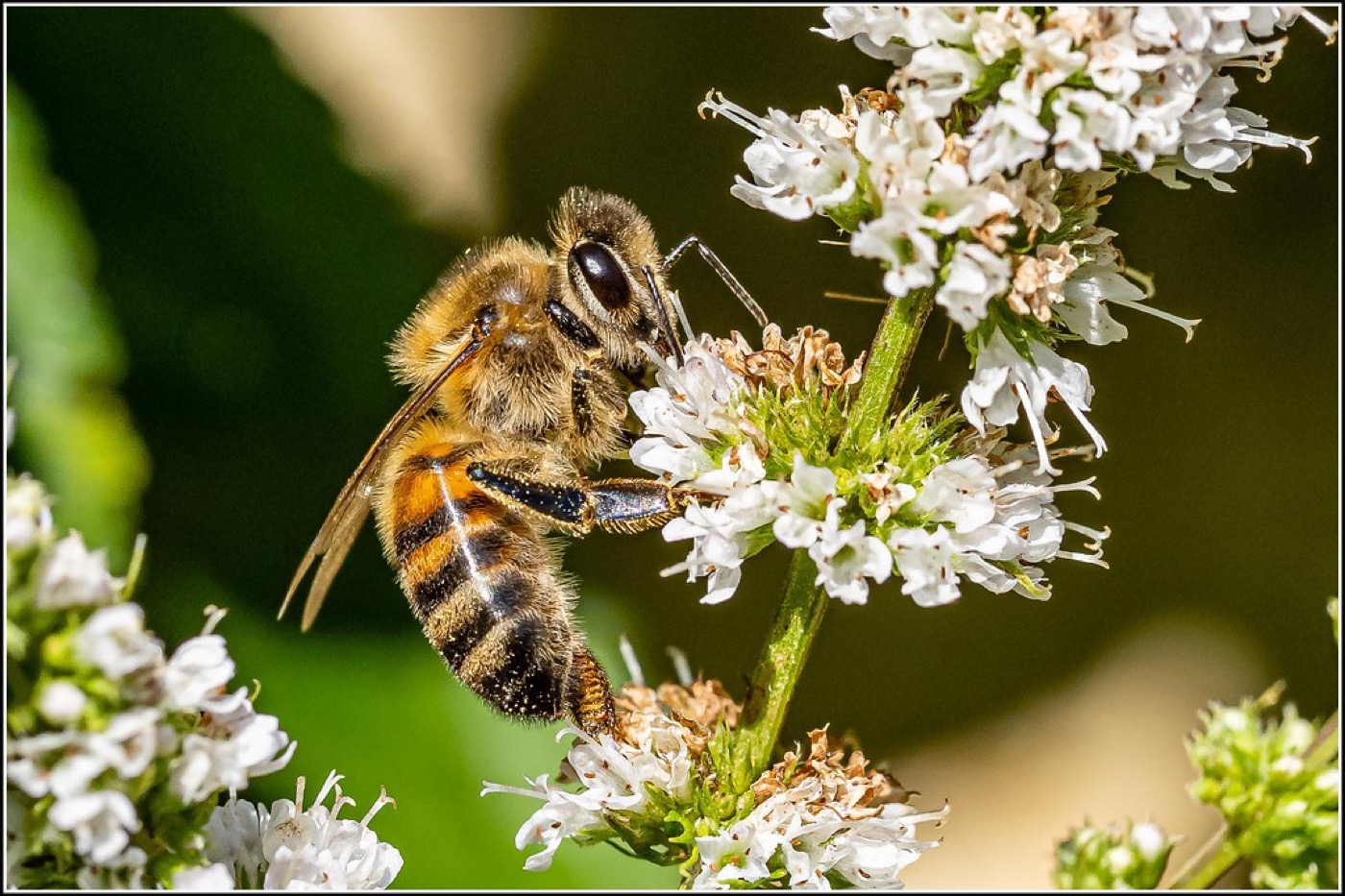
What Is a Naturalist Garden and Why Is It Important for Biodiversity?
A naturalist garden is a type of garden design that mimics the natural world, blending native plants and elements that support wildlife. This kind of garden is not only visually appealing but also plays a crucial role in preserving biodiversity. By creating a space that attracts birds, bees, butterflies, and other beneficial insects, gardeners contribute to pollination, pest control, and ecological balance. A naturalist garden is defined by its plant diversity, the absence of harmful chemicals, and the inclusion of habitats for wildlife. Studies by the Food and Agriculture Organization (FAO) show that urban gardens incorporating this approach can boost local biodiversity by up to 30% compared to traditional gardens. Additionally, using native plants enhances species interactions since they are adapted to the local climate and soil. For a garden to be truly naturalist, it should have a layered structure that allows for the coexistence of various plant levels: shrubs, perennials, grasses, and trees. For example, in a 20-square-meter garden, you could include 10 native species, arranged in shaded, partially shaded, and sunny areas. This diversity is key to attracting different species, as each has specific preferences for light, soil, and moisture.
Choosing Native Plants: The Foundation of a Naturalist Garden
Selecting native plants is essential for the success of a naturalist garden. These species are adapted to the local climate, soil, and conditions, making them more resilient and less prone to disease. For instance, in the Iberian Peninsula, plants like rosemary, thyme, and lavender are excellent choices for attracting bees and butterflies. Their flowers are rich in nectar and pollen, making them valuable food sources for wildlife. According to the Institute of Iberian Flora, using native plants can increase pollinator populations by up to 40% compared to gardens that use exotic species. This is because native plants often have a greater variety of flowers and a longer blooming season. For example, the night jasmine (Cestrum monstrosum) blooms throughout the year, providing a steady food source for bees and butterflies. By incorporating a mix of native plants with varying bloom times, you can ensure a continuous supply of food for pollinators throughout the growing season.
Creating Layers and Microhabitats to Support Wildlife
Designing a naturalist garden involves creating different layers and microhabitats to support a wide range of wildlife. This includes tall trees, shrubs, perennials, and ground cover, each offering unique benefits. Tall trees provide nesting sites for birds and shelter for small mammals, while shrubs offer food and cover for insects and birds. Perennials and ground cover plants attract pollinators and help retain soil moisture. By layering your garden, you create a more complex and diverse environment that supports a variety of species. For example, a mix of tall trees, shrubs, and ground cover can provide a habitat for birds, bees, and butterflies, each with their own specific needs. This layered approach not only enhances biodiversity but also makes the garden more interesting and visually appealing. It also helps to create a more balanced ecosystem, where different species can coexist and support each other.
Designing for Pollinators: Flowering Plants and Bloom Times
To support pollinators like bees, butterflies, and hummingbirds, it’s important to design your garden with a variety of flowering plants that bloom at different times of the year. This ensures a continuous supply of nectar and pollen for these essential pollinators. Choose plants that have different bloom periods, such as early spring bloomers like crocus and daffodils, mid-summer flowers like sunflowers and lavender, and late-season bloomers like chrysanthemums and asters. This way, you can provide food for pollinators throughout the growing season. Additionally, consider the color and shape of the flowers, as these can attract different types of pollinators. For example, blue and purple flowers are particularly attractive to bees, while red and orange flowers are more appealing to hummingbirds. By selecting a mix of flowering plants with varying colors, shapes, and bloom times, you can create a garden that supports a wide range of pollinators and enhances biodiversity.
Enhancing Soil Health and Air Quality Through Naturalist Gardening
A naturalist garden not only supports wildlife but also improves soil health and air quality. The roots of plants help to fix carbon and prevent soil erosion, while the leaves and flowers contribute to the overall health of the ecosystem. By using organic mulches and compost, you can enhance soil fertility and structure, creating a more sustainable garden environment. Additionally, the presence of pollinators and other beneficial insects helps to maintain a balanced ecosystem, reducing the need for chemical pesticides. This, in turn, improves air quality by reducing the release of harmful chemicals into the atmosphere. A naturalist garden also helps to filter pollutants from the air, creating a healthier environment for both plants and people. By focusing on natural processes and avoiding synthetic chemicals, you can create a garden that is not only beautiful but also beneficial for the environment.
5 Tips to Create a Naturalist Garden That Supports Biodiversity
- Choose native plants that are adapted to your local climate and soil conditions.
- Design your garden with multiple layers, including trees, shrubs, perennials, and ground cover, to support a variety of wildlife.
- Incorporate a mix of flowering plants with different bloom times to provide a continuous food source for pollinators.
- Use organic mulch and compost to improve soil health and reduce the need for chemical fertilizers.
- Avoid the use of synthetic pesticides and herbicides, which can harm beneficial insects and disrupt the natural balance of your garden.
Tips for Creating a Wildlife-Friendly Garden
- Place a shallow birdbath near shrubs or trees to provide easy access for birds and insects.
- Use a drip irrigation system or a small fountain to keep the water in your pond or birdbath clean and fresh.
- Leave some areas of your garden untidy with fallen leaves and branches to create natural habitats for insects and small mammals.
- Plant a mix of native flowers and shrubs to ensure a continuous supply of nectar and seeds throughout the growing season.
- Install a bee hotel using bamboo or hollow reeds in a sunny, sheltered spot to provide a safe home for solitary bees.
- Use a mesh net to cover your pond or birdbath to prevent mosquitoes from laying eggs in the water.
- Position your garden near a natural habitat, such as a forest or field, to encourage wildlife to visit and stay.
- Choose plants that bloom at different times of the year to provide food for pollinators throughout the seasons.
- Keep your garden free of pesticides and chemical fertilizers to protect the health of beneficial insects and birds.
- Provide a variety of plant heights and structures to create layers that offer shelter and nesting sites for different species.