Floral borders for the formal garden: plants, colors and seasons
What Are Formal Garden Borders and Why Are They Important?
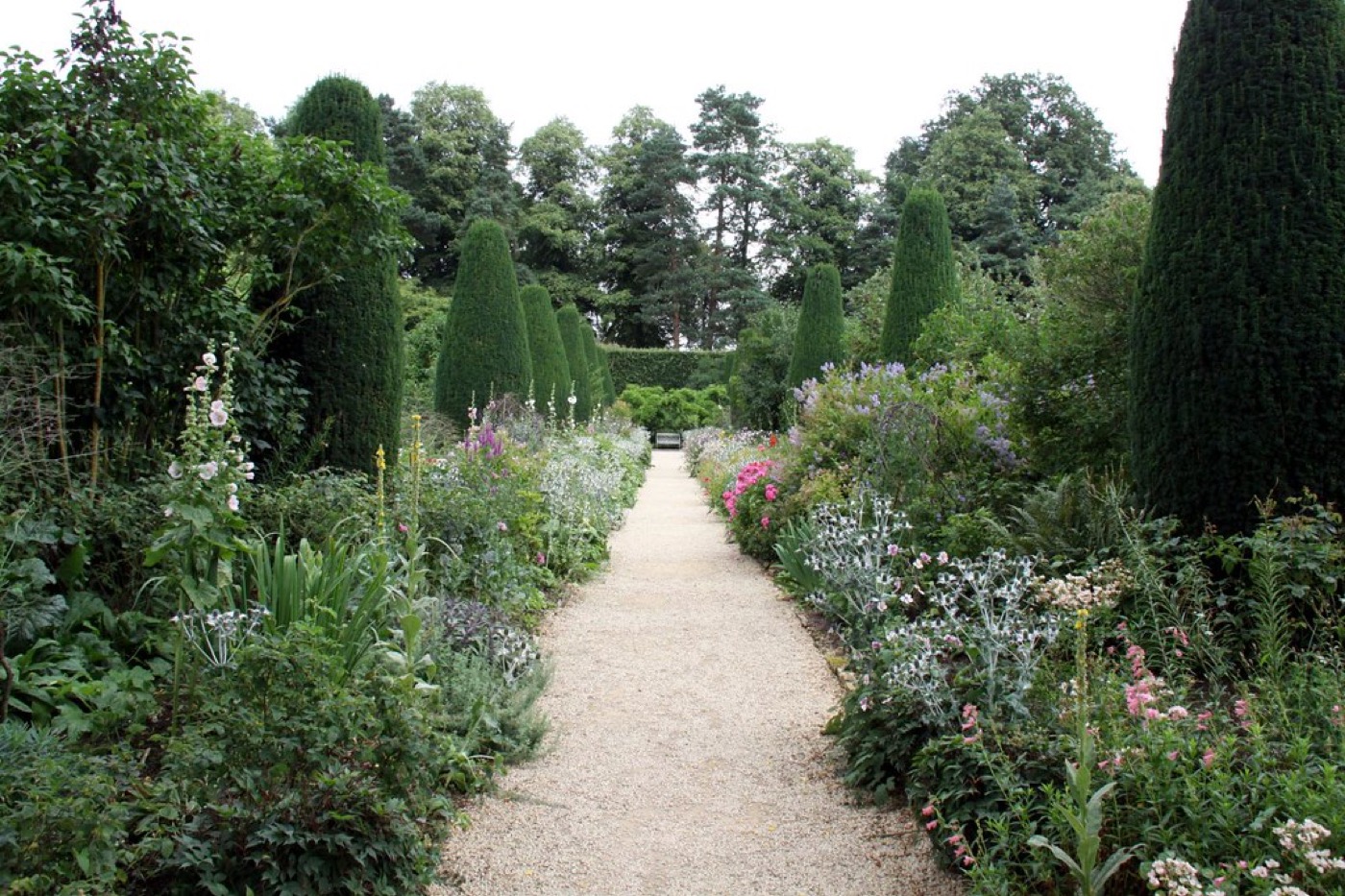
Formal garden borders are a key element in the design of a structured, elegant landscape. These carefully planned areas serve as a visual frame, guiding the eye and adding a sense of order and refinement to the garden. Unlike informal borders, which tend to be more natural and free-flowing, formal borders are typically symmetrical, well-defined, and maintained with precision. They are often placed along pathways, around flower beds, or along the edges of lawns, creating a clear separation between different garden zones.
The purpose of a formal garden border goes beyond aesthetics. It helps define the space, enhances the overall look of the garden, and can even improve the functionality of the landscape. For instance, a well-designed border can help protect the lawn from encroaching weeds or create a focal point that draws the eye toward a specific area of the garden. These borders are often kept at a width of 30 to 60 centimeters, which is just enough to showcase the plants without overwhelming the surrounding space.
One of the most important aspects of a formal border is its ability to provide color and texture throughout the seasons. By selecting the right plants, gardeners can ensure that the border remains visually appealing year-round. This requires careful planning and an understanding of how different plants perform in various conditions. Whether you're looking to create a vibrant display in spring or a subtle, elegant look in fall, the right plant choices can make all the difference.
Choosing the Right Plants for Formal Garden Borders
When designing a formal garden border, it's essential to select plants that are well-suited to the specific conditions of your garden. Factors such as soil type, sunlight exposure, and climate should all play a role in your plant selection. Formal borders often feature plants that are compact, have a controlled growth habit, and can thrive in a variety of conditions. These plants not only contribute to the visual appeal of the border but also help maintain its neat and orderly appearance.
Some of the most popular choices for formal garden borders include lavender, begonias, pentas, and fuchsias. Lavender, for example, is a favorite for its fragrant, purple blooms and its ability to thrive in full sun. Begonias are known for their vibrant flowers and their tolerance for partial shade, making them an excellent choice for borders that receive less direct sunlight. Pentas and fuchsias are both great options for adding color and texture, with their showy flowers and compact growth habits.
In addition to their aesthetic appeal, these plants are also relatively low-maintenance, which is a big plus for formal borders that require regular upkeep. Many of these species are drought-tolerant and can thrive in well-drained soil, making them ideal for gardeners who want a beautiful, easy-to-maintain border. By choosing the right combination of plants, you can create a border that not only looks great but also requires minimal effort to keep in top condition.
Color and Seasonal Planning for a Stunning Formal Border
Color plays a crucial role in the design of a formal garden border, and careful planning can help create a visually striking display throughout the seasons. A well-chosen color palette can enhance the overall look of the garden, making the border stand out while also complementing the surrounding landscape. Whether you prefer a bold, vibrant look or a more subdued, elegant style, the right color combinations can make your formal border truly shine.
One effective way to create a cohesive color scheme is to use complementary or monochromatic tones. For example, a border featuring pink and purple flowers can create a soft, harmonious look, while a border with shades of red and orange can add a sense of energy and warmth. Monochromatic borders, which use different shades of a single color, can also be very effective, especially when paired with varying textures and heights to add depth and interest.
Seasonal planning is another key aspect of creating a beautiful formal border. By selecting plants that bloom at different times of the year, you can ensure that your border remains colorful and attractive throughout the growing season. For instance, you might plant centaurea for spring, peonies for summer, and campanula for fall. This approach not only extends the visual appeal of the border but also helps maintain a sense of continuity and balance in the garden.
Designing a Formal Border: Symmetry, Proportion, and Layout
The design of a formal garden border is all about symmetry, proportion, and layout. These borders are often created with a sense of order and balance, which is why they are such a popular choice for formal gardens. One of the most common design techniques is to arrange plants in straight lines or in symmetrical groups, which helps reinforce the structured, elegant look that formal borders are known for.
To achieve this look, it's important to plan the layout carefully. Start by determining the width and length of the border, and then consider how the plants will be arranged within that space. For example, you might place taller plants at the back of the border and shorter ones at the front, creating a layered effect that adds depth and visual interest. This technique also helps prevent taller plants from overshadowing shorter ones, ensuring that all plants receive adequate sunlight and air circulation.
Another key consideration is the use of color and texture to create a sense of harmony. By mixing different flower types and foliage colors, you can add visual variety without disrupting the overall balance of the design. For instance, pairing lavender with fuchsias can create a striking contrast, while combining begonias with campanula can add a more subtle, cohesive look. The goal is to create a border that is both beautiful and well-structured, enhancing the overall aesthetic of the garden.
Practical Tips for Creating a Beautiful Formal Garden Border
- Choose plants with controlled growth:** Opt for compact, well-behaved plants that won’t spread out of control. Lavender, begonias, and fuchsias are excellent choices for this reason.
- Plan for seasonal color:** Select a mix of plants that bloom at different times of the year to ensure your border stays colorful throughout the seasons.
- Use symmetry and proportion:** Arrange your plants in straight lines or symmetrical groups to create a sense of order and balance in your formal border.
- Consider color combinations:** Choose a color palette that complements your garden’s overall design, whether you prefer bold, vibrant colors or a more subdued, elegant look.
- Keep maintenance in mind:** Select plants that are low-maintenance and require minimal pruning or watering to keep your border looking its best with less effort.
- Use a mix of textures and heights:** Combine different flower types and foliage textures to add depth and interest to your border, making it more visually engaging.
Creating a Beautiful Formal Border
- Choose plants with controlled growth.
- Plan for seasonal color.
- Use symmetry and proportion.
- Consider color combinations.
- Keep maintenance in mind.
- Use a mix of textures and heights.