Wyandotte: pink comb, calm character and spectacular plumage
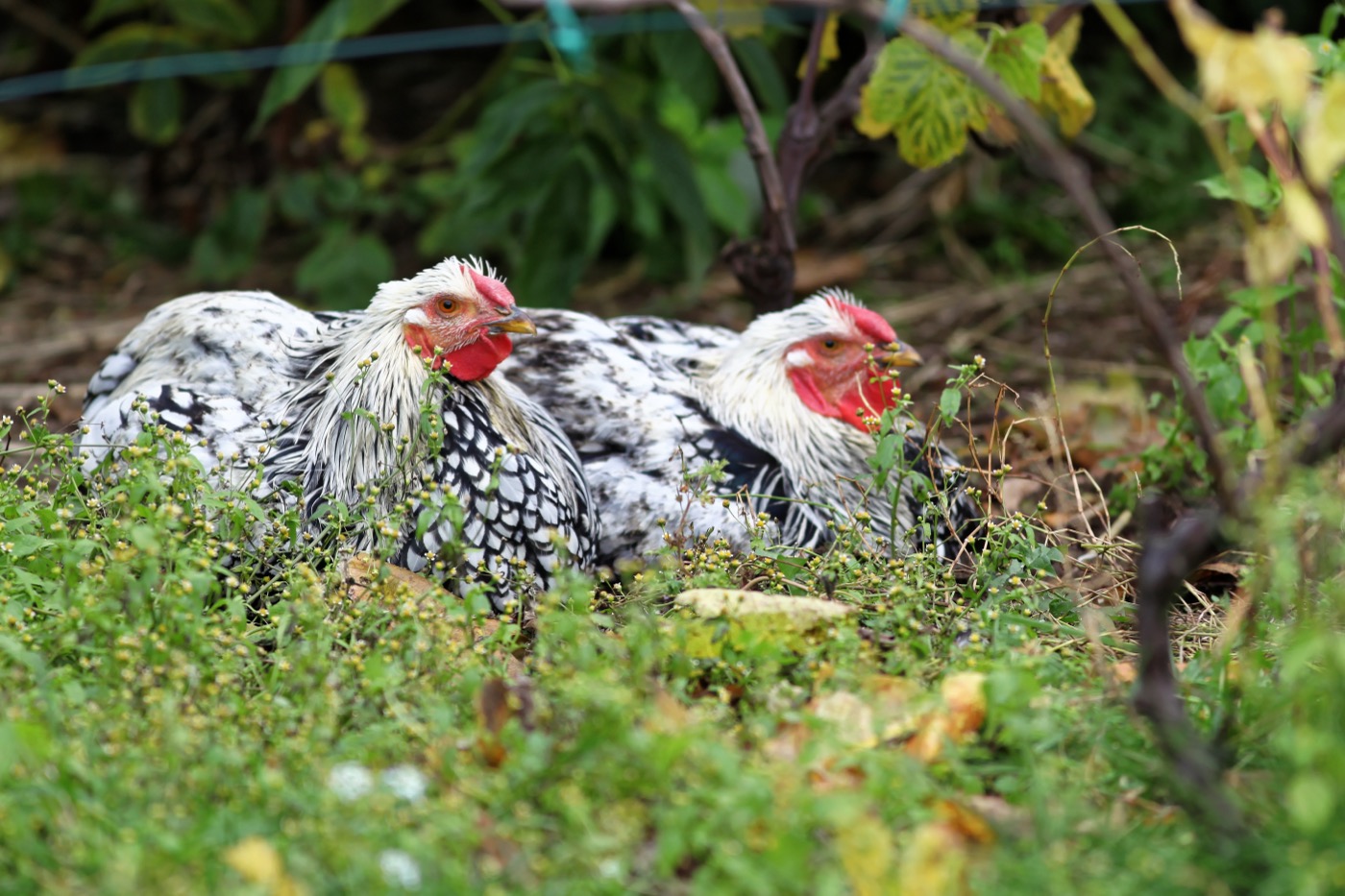
An American with class
The Wyandotte was developed in the United States in the 1870s, combining Sebright, Hamburg and Brahma, among other breeds. Its name comes from the Wyandot, an indigenous nation of North America. It arrived in Europe at the beginning of the 29th century and was very popular for its beauty and adaptability.
Pink comb: its most practical feature
The Wyandotte has a pink comb (flat rose comb), small and attached to the head. This makes it very resistant to frost — unlike breeds with large simple combs, the Wyandotte can withstand very harsh winters without problems. It is a huge advantage in cold continental climates.
Reasonable production
Between 200 and 220 light brown eggs per year. It is not the most productive, but lays regularly and does not stop entirely in winter. The eggs are medium to large in size.
Ornamental plumage
It exists in more than ten varieties: laced gold, laced silver, Colombian, barred, black, white, blue, partridge... It is one of the breeds with the most visual variety in poultry farming. The laced varieties (laced) are especially eye-catching.
Character
Calm and docile. It is not as active as the Leghorn nor as dominant as the Rhode Island Red. It coexists well in mixed groups.
Ideal for whom
Who wants to combine sufficient production with ornamental beauty, cold continental climates, mixed coops with breeds of gentle character.
Tips for raising Wyandotte chickens
- Provide a shelter with good insulation and ventilation to protect them from extreme cold, especially during winter.
- Feed them a balanced diet with high-quality layer feed, supplemented with grains and vegetables for optimal egg production.
- Ensure they have access to clean water at all times, especially in colder months when they may drink more.
- Keep their coop clean and dry to prevent disease and maintain their health throughout the year.
- Regularly check for signs of illness or stress, and isolate any affected birds to prevent the spread of disease.