Rhode Island Red: the most popular rustic breed in Spain
A breed with history
Originating from the state of Rhode Island (USA) in the 19th century, the Rhode Island Red was developed by crossing Malay, Shanghai, Leghorn, and Brown Leghorn birds. It arrived in Europe at the beginning of the 29th century and quickly became one of the most used breeds for domestic poultry farming.
Solid and consistent production
Lays between 250 and 270 dark brown eggs per year. Its production is very regular during the first year and remains reasonably good in the second. The eggs are medium-large, with good shell quality. This breed is particularly well-suited for small-scale farms or backyard flocks where consistent egg production is essential.
Appearance
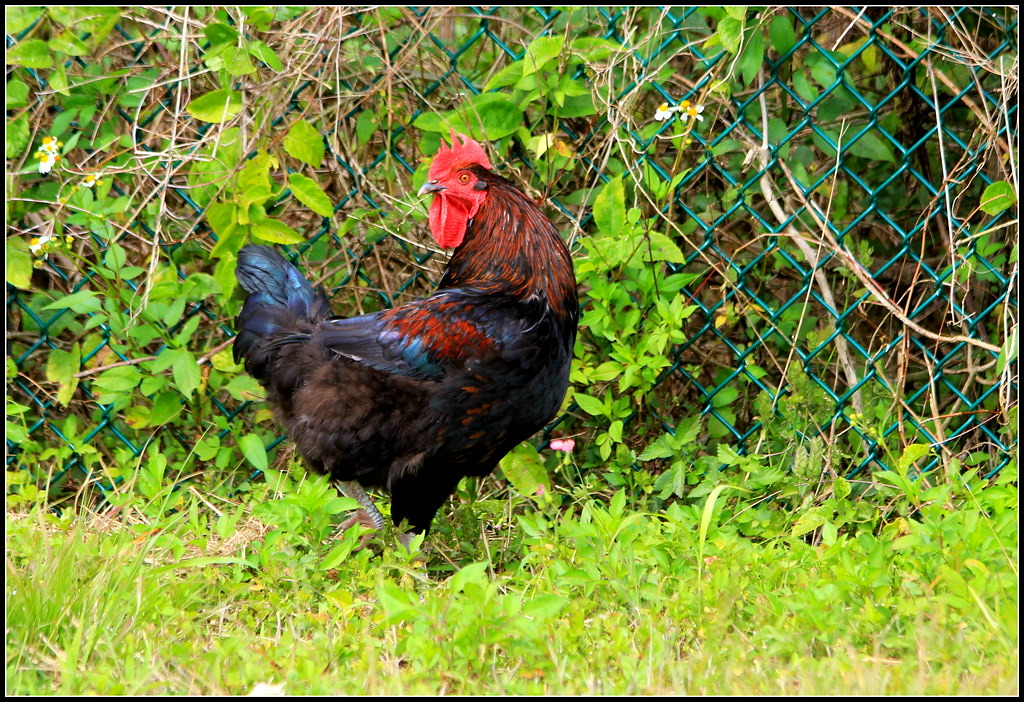
Dark reddish plumage, almost maroon, with some green reflections on the tail. Simple crest of medium size. Medium-large build (2.5-3 kg for the hen). Very recognizable by its intense color. The Rhode Island Red has a distinctive, robust appearance that makes it easy to identify in a flock.
Temperament
Active and somewhat dominant. In mixed groups, there may be marked hierarchy and some pecking at more timid breeds. It is advisable to introduce it carefully if mixing breeds. It is not the most docile, but it is also not aggressive with people. This breed is best suited for experienced keepers who can manage its assertive nature.
Exceptional resistance
Can withstand almost anything: cold, heat, rain, difficult terrain. Very resistant to common diseases. Good foraging in open fields: reduces feed costs if it has a large run. This hardiness makes it ideal for rural areas with unpredictable weather conditions.
Uses in genetic improvement
The Rhode Island Red is one of the founding breeds of many modern hybrids, including the Lohmann Brown itself. Its genetics appear in almost all brown egg-laying hybrids. This breed has played a key role in the development of commercial egg-laying strains.
Ideal for whom
You wanted a rustic breed that seeks its own survival with minimal support, variable climates, large open spaces, and poultry keepers with some experience. This breed is perfect for those who want a reliable, low-maintenance flock that can thrive in diverse environments.
Tips for raising Rhode Island Reds
- Provide a spacious run with plenty of foraging space to encourage natural feeding behavior and reduce feed costs.
- Ensure a balanced diet with high-quality feed to maintain optimal egg production and health.
- Monitor the flock for signs of pecking and provide adequate shelter to minimize stress and aggression.
- Keep the coop clean and well-ventilated to prevent disease and improve overall bird health.
- Introduce new birds gradually to existing flocks to reduce the risk of conflict and pecking.