Araucana, Ameraucana, Cream Legbar and Easter Egger: a comparison of breeds with colored eggs
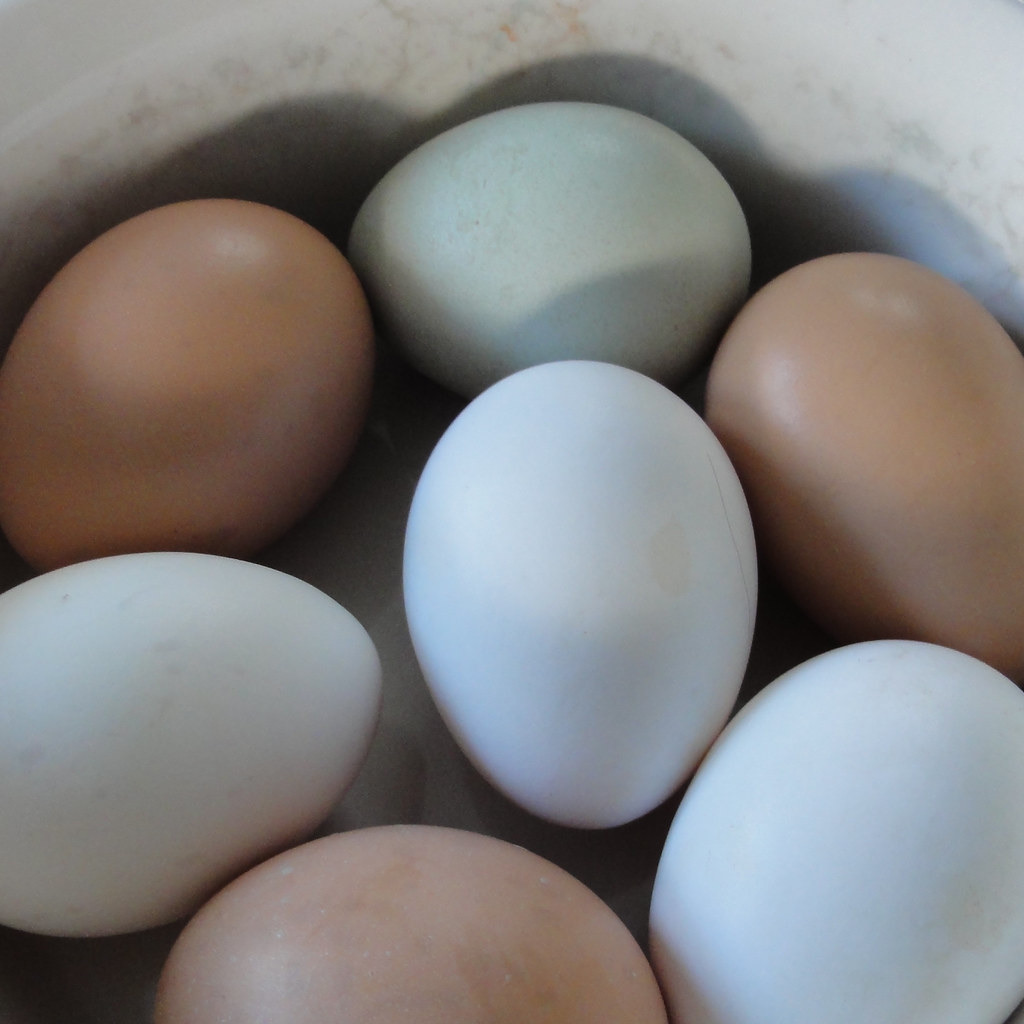
Why colored eggs are in demand
Blue, green and unusual colored eggs have increasing demand in local markets, gourmet stores and consumer groups. They do not have distinct nutritional properties, but their appearance is eye-catching and distinctive — and that in the artisan market means money. These eggs are often used in special occasions or as a unique selling point for small-scale producers looking to stand out in competitive markets.
Araucana: the bluest egg, but with genetic problems
It produces the bluest egg of all the breeds. However, it has the anuro lethal gene in homozygosis, which causes embryonic mortality in purebred breeding. Additionally, it is the least productive (150-180 eggs/year). Its hardiness is high but its availability in Spain is limited. This genetic issue makes it less suitable for large-scale farming, but ideal for small, dedicated chicken keepers.
Ameraucana: more productive and without genetic problems
It maintains the light blue egg (somewhat paler than the Araucana) but without the lethal gene. More productive (200-250 eggs/year) and easier to raise. Recognized as an official breed. It is the best option if you want blue eggs with a stable breed. These hens are also known for their friendly and docile temperament, making them great for backyard flocks.
Cream Legbar: the advantage of autosexing
You can tell the sex of the chicks at birth, which is a big advantage for those who don't want roosters. Light blue to pale sky blue egg. Productive (200-230 eggs/year) but somewhat nervous. Difficult to find in Spain in purebred specimens. This trait is especially useful for those managing small flocks or looking to minimize the presence of roosters.
Easter Egger: the easiest to find and the most unpredictable
It is the most accessible option in terms of price and availability. Each hen can lay a different color (blue, green, pink, cream). High production (200-280 eggs/year). The main 'problem' is that you don't know exactly what color it will lay until it starts — although many see this as an advantage. This unpredictability can be exciting for those who enjoy variety in their egg collection.
Verdict
To start with colored eggs: Easter Egger (easy, cheap, productive). For a recognized and stable breed: Ameraucana. For autosexing: Cream Legbar. For the bluest egg possible: Araucana (if you find purebred specimens).
Tips for Choosing the Right Breed
- Research the local availability of each breed before purchasing, as some are harder to find in certain regions.
- Consider the purpose of your chicken keeping — whether it's for eggs, companionship, or showing — to determine which breed suits your needs best.
- Check the health and temperament of the breed, especially if you're raising them in a small space or with children.
- Ensure you have a suitable environment for any breed with specific needs, such as the Araucana's requirement for a stress-free environment.
- Always look for reputable breeders or suppliers to ensure you're getting healthy, well-cared-for birds.