The best chicken breeds for cold and humid climates in Spain
Cold weather: the biggest challenge for egg production
Cold itself does not stop chicken laying. What stops them is short days: with less than 14 hours of light, hens reduce or stop laying. Extreme cold, wind and humidity are secondary but important factors for health.
The most cold-resistant breeds
Not all chickens react the same to cold. Breeds with large simple combs (Leghorn, Rhode Island Red) are more sensitive to frost — the comb can freeze. Breeds with small combs, in pink or cushion shape, are more resistant.
Plymouth Rock barred
Simple comb of moderate size, robust build, dense plumage. Tolerates cold and rain without problems. Keeps laying better in winter than many hybrids. Ideal for the northern peninsula.
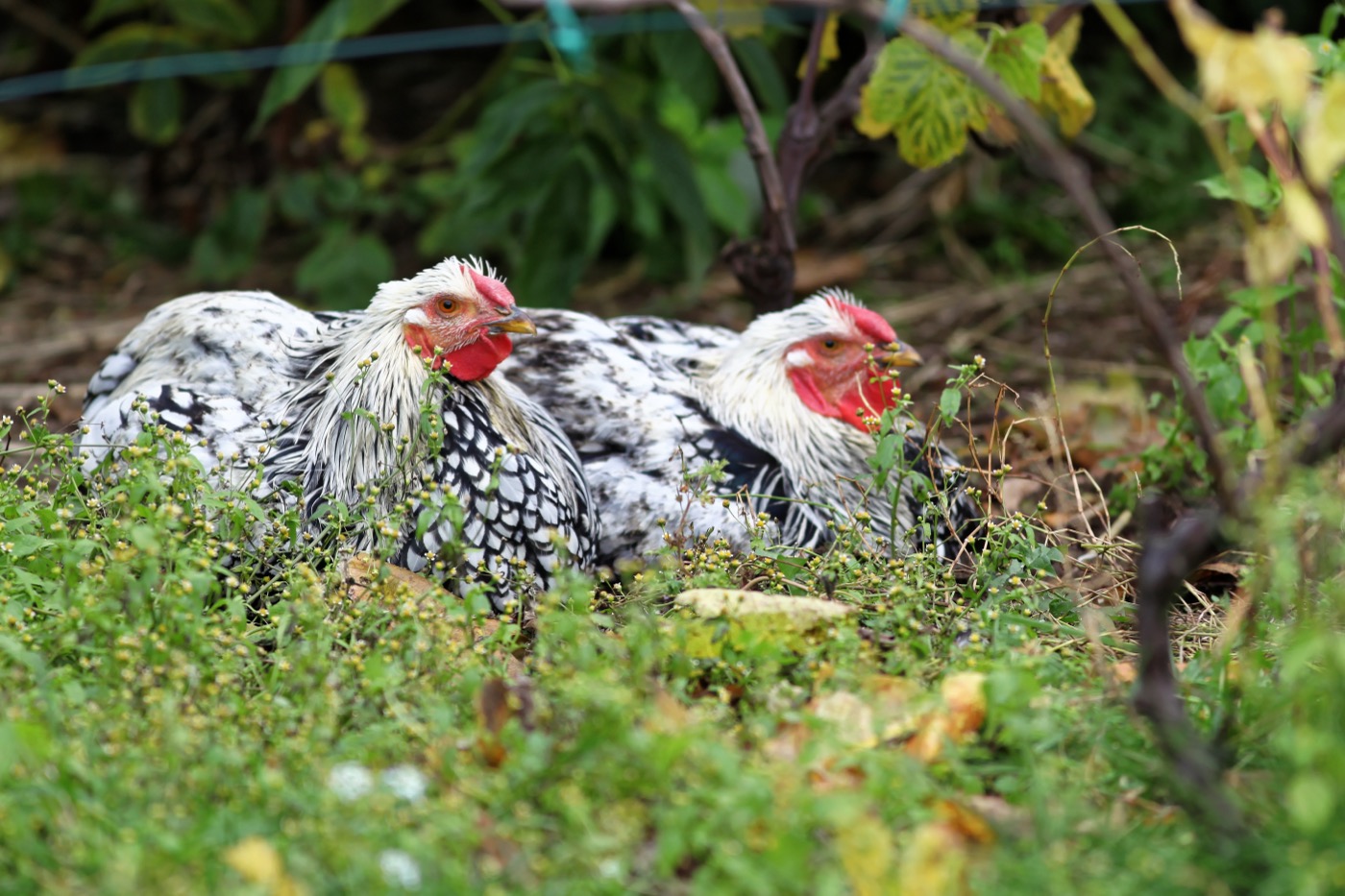
Wyandotte
The best option for extreme cold. Its pink comb is almost flat and does not freeze. Very dense plumage. Produces well in winter. Multiple color varieties. Highly recommended for mountainous areas.
Sussex
Resistant to cold and rain. Docile. Produces regularly even in winter. Excellent for northern Spain and Galicia.
New Hampshire
Developed specifically to improve production in winter. Matures earlier than the Plymouth Rock and produces better in short months.
Lohmann Brown (hybrid)
More resistant to cold than the Isa Brown. If you want a hybrid for cold weather, Lohmann is better than Isa. Maintains production better in adverse conditions.
What to avoid in cold weather
The white Leghorn with its large comb is sensitive to frost. Painted (Guinea fowl) do not tolerate intense cold well. Breeds with silky plumage (Silkie) are also not adapted to very cold and humid climates.
Practical tip
More than the breed, what matters most in cold weather is the chicken coop: well insulated, without drafts, with controlled ventilation. An Isa Brown in a well-managed coop produces better in winter than a Wyandotte in a poorly ventilated and humid coop.
Tips for Keeping Chickens in Cold and Humid Climates
- Provide a windbreak or sheltered area in the coop to protect chickens from strong winds and cold drafts.
- Ensure the coop is well-insulated with materials like straw, foam board, or thick curtains to retain heat.
- Use a heat lamp or a small electric heater (ensure it's safe and not a fire hazard) to provide additional warmth for the hens.
- Keep the coop clean and dry to prevent moisture buildup, which can lead to health issues and lower egg production.
- Feed chickens a diet rich in protein and fat during colder months to help them maintain body heat and energy levels.