Marans: the French breed that lays the darkest egg in the world
Origin in the Atlantic port of Marans
The Marans breed originated in the port town of Marans, located in the Charente-Maritime department of western France, during the 19th century. Its development is attributed to crossbreeding between local Camargue hens and birds imported by ships arriving at the busy Atlantic port, including Asian Langshan and Croad Langshan. The marshy, humid environment of the surrounding wetlands contributed to forging the breed's characteristic robustness, as only the hardiest birds survived in those conditions.
The breed was officially recognized in France in 1914, and French breeders subsequently standardized its traits, paying particular attention to egg color — a feature that had already caught the attention of local markets. The Marans Club de France, founded in the early 20th century, established a formal egg-color rating scale and breed standards that are still referenced by breeders worldwide today. This commitment to standardization helped the Marans gain international recognition and a dedicated following among poultry enthusiasts.
In Spain, the Marans arrived primarily through breeders in Catalonia and the Basque Country who were drawn to its dual-purpose traits and striking egg color. Today it is found across the country in both artisan egg production and ornamental poultry exhibitions, where the cuckoo and black-copper varieties attract considerable attention for their visual impact.
The egg that made it famous
The Marans egg is the darkest produced by any domestic poultry breed: a deep, rich chocolate brown that verges on burgundy-violet in the best specimens. This extraordinary color results from a specific pigment called protoporphyrin IX, which is deposited on the outer layer of the shell during the final stages of formation in the hen's oviduct. The longer the egg spends in contact with the pigment-secreting cells, the darker the shell becomes — which is why the first egg of a laying sequence is always the darkest.
The Marans Club de France developed a color scale numbered from 1 to 9. Commercial Marans eggs must reach a minimum score of 4 to be sold as authentic Marans eggs. Competitive breeders aim for scores of 6 or higher, and a true score of 9 — a near-black, uniformly dark shell — is exceptionally rare and highly prized. Buyers at specialty markets often bring a color chart to verify purchases, which speaks to how seriously the community takes egg pigmentation.
Nutritionally, Marans eggs are identical to those of any other breed. The darker shell carries no health benefit. However, in visual food culture — where presentation matters enormously in restaurant kitchens, food photography, and high-end retail — a chocolate brown egg commands attention and commands a price premium that can be two to three times higher than ordinary brown eggs. Several Michelin-starred restaurants in Europe specifically source Marans eggs for their visual impact on the plate.
Production and varieties
Marans hens produce between 150 and 200 eggs per year depending on the variety and individual bird. This makes them moderate layers rather than high-output machines, which is a deliberate trade-off: the more productive the hen, the paler her eggs tend to become as the pigment supply is spread over more eggs per unit of time. Breeders who prioritize egg color over quantity deliberately select slower-laying hens with intense pigmentation.
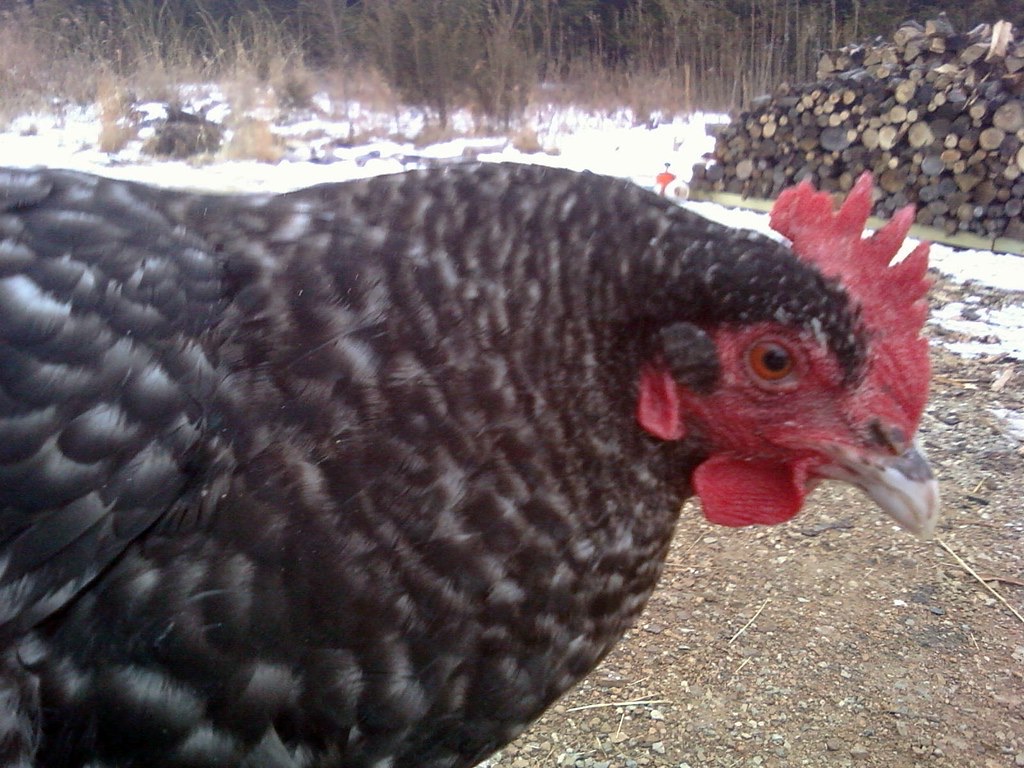
Several varieties exist, each with different levels of availability and slightly different temperaments. The cuckoo Marans — with a barred black-and-white plumage similar to the Plymouth Rock — is the most common in Spain and the most forgiving to manage. The black-copper Marans, distinguished by its iridescent black body and deep copper neck hackles, is considered the variety most likely to produce the darkest eggs, but it is more demanding and harder to source. Silver-cuckoo, golden-cuckoo, and wheaten varieties also exist but are rarer in domestic settings.
Marans are not autosexing breeds, meaning you cannot tell males from females at hatch without vent sexing. This is a practical consideration when sourcing day-old chicks, as you may end up with an equal proportion of roosters. If you want only laying hens, purchase point-of-lay pullets from a reliable breeder who can guarantee sex.
Temperament, care, and management
Marans are generally calm and undemanding birds. They adapt well to both free-range and confined environments, though like most breeds they produce better and exhibit fewer stress behaviors when given access to outdoor space. They are not especially active foragers compared to lighter Mediterranean breeds, preferring a more measured, relaxed pace of exploration. This docility makes them compatible with other calm breeds in a mixed flock.
One health consideration specific to Marans is their feathered legs, which occur in some varieties and require attention in wet or muddy conditions. Mud and manure can accumulate between the leg feathers, leading to leg mite infestations or mild lameness if left unaddressed. In clean, dry runs this is rarely a problem, but keepers in rainy climates should inspect leg feathering weekly during autumn and winter.
Diet directly influences egg color. Hens receiving a varied diet rich in natural pigments — such as marigold petals, alfalfa, dark leafy greens, and quality protein — tend to produce more intensely colored eggs. Conversely, hens under nutritional stress or fed a monotonous diet of low-quality feed often show noticeable fading in egg color after a few weeks. Supplementing with crushed oyster shell ensures strong shells that complement the breed's signature dark pigmentation.
Ideal uses and market opportunities
Marans eggs are best positioned in niche markets where visual differentiation translates into a price premium. Local farmers' markets, artisan food shops, restaurant supply, and community-supported agriculture (CSA) boxes are all channels where the chocolate-brown egg stands out among a basket of ordinary whites and pale browns. Customers who see a Marans egg for the first time rarely forget it, which drives loyalty and word-of-mouth referrals.
For those interested in conservation genetics, the Marans also represents an important piece of European poultry heritage. Purebred flocks with documented egg-color scores contribute to the preservation of a breed that has taken over a century to standardize. Participating in the network of Marans breeders — through breed clubs, shows, and egg-color competitions — connects you to a community with deep expertise and genuine passion for the breed.
If you are starting with Marans, begin with the cuckoo variety from a reputable breeder who can show you the egg-color scores of the parent flock. Request eggs or pullets from hens scoring at least 5 on the Marans scale. Avoid purchasing Marans from general poultry fairs where egg color is unverified, as crossbred birds often carry the name without the characteristic dark shell.
Tips for Raising Marans Hens Successfully
- Request the egg-color score of the parent flock before purchasing — pullets from a score-4 hen are unlikely to produce score-7 eggs.
- Supplement the diet with marigold petals and alfalfa to naturally enhance egg pigmentation without artificial additives.
- Inspect feathered-leg varieties weekly in wet weather to prevent mud buildup and leg mite infestations.
- Collect eggs daily to prevent the first eggs of each cycle — always the darkest — from being left in the nest and soiled.
- Keep the coop dry and well-ventilated; Marans are robust but do not perform well in chronically damp environments.
- Sell directly through local markets or restaurant supply channels to capture the full price premium their distinctive eggs command.