Lohmann Brown: the German layer hen that dominates European farms
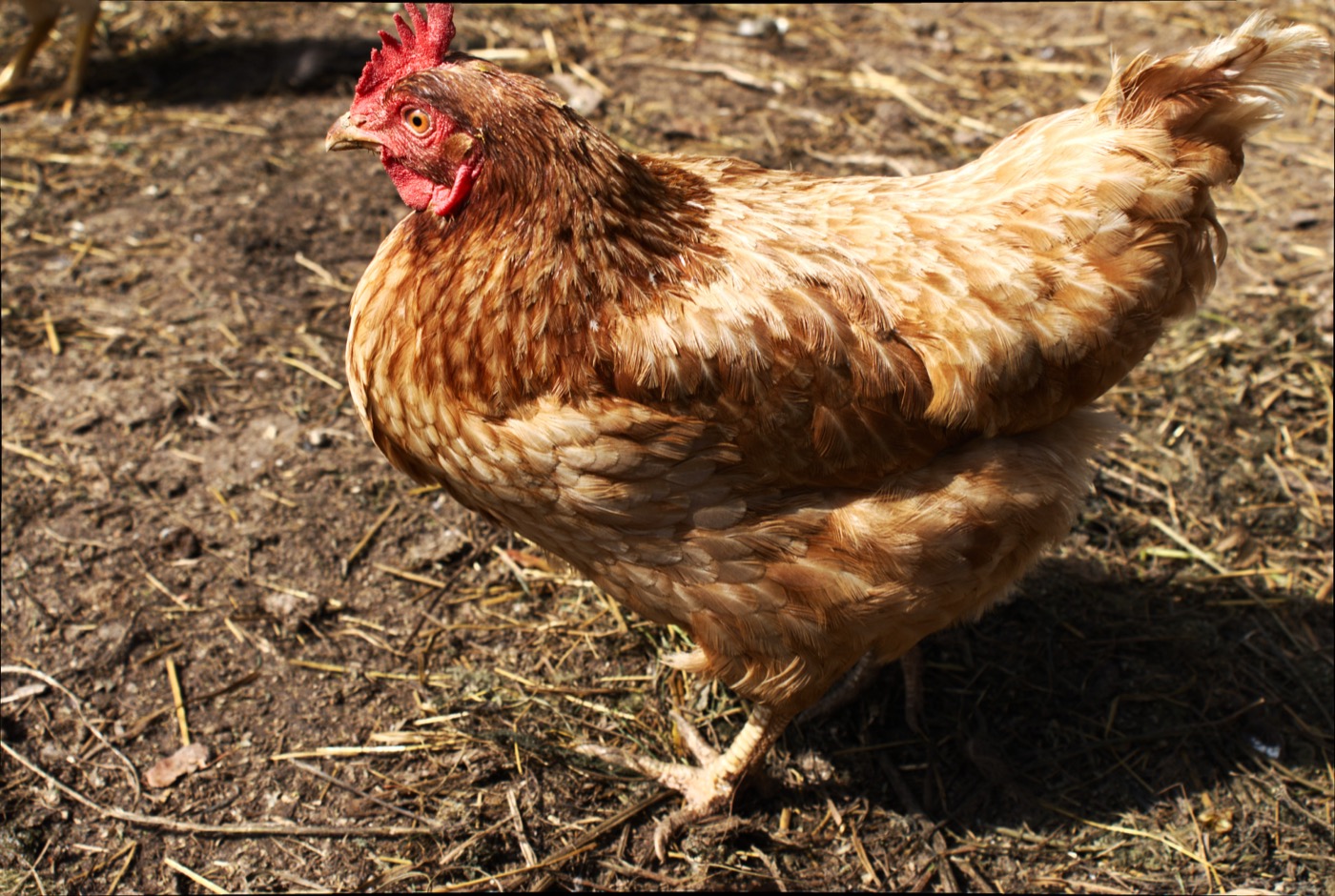
German origin and global presence
Developed by Lohmann Tierzucht GmbH in Germany, the Lohmann Brown is one of the most widely used layer hen hybrids in Europe. It was created by systematically selecting lines of Rhode Island Red and White Rock to combine high egg production with good feed efficiency. The company's rigorous breeding program, spanning several generations, resulted in a hybrid that delivers consistent performance across a wide range of farming conditions, from large commercial operations to small backyard flocks.
The breed reached international prominence during the 1970s and 1980s, when European egg producers sought alternatives to American hybrids. Lohmann's strict quality controls and transparent performance data gave it an edge in markets where traceability and reliability matter. Today it is distributed across more than 100 countries and remains the benchmark against which other brown-egg hybrids are measured.
In Spain, the Lohmann Brown arrived through specialized poultry distributors and quickly became the go-to choice for semi-intensive and free-range egg producers. Its adaptability to the Mediterranean climate, combined with its robustness, made it attractive not just to large farms but also to small-scale keepers who wanted a reliable, high-output bird without excessive management requirements.
Production and egg characteristics
The Lohmann Brown produces between 300 and 310 eggs per year during its first laying cycle, which places it among the top performers in the brown-egg category. The eggs weigh between 62 and 68 grams and display a rich, dark brown shell that is noticeably more intense than that of the Isa Brown. Consumers in many European markets associate a darker shell with better quality and higher nutritional value — an association that is commercially advantageous even though it has no basis in nutritional science.
Shell durability is another practical advantage. The thicker shell of the Lohmann Brown reduces cracking rates during collection, grading, and transport. For free-range operations where eggs may roll across uneven surfaces before being collected, this structural strength translates directly into lower losses. The albumen quality is also excellent, with high Haugh unit scores that indicate good interior egg quality even after a week of refrigerated storage.
Feed conversion efficiency is one of the breed's defining traits. Under optimal management, a Lohmann Brown consumes approximately 110 to 120 grams of feed per egg produced, which compares favorably with other commercial hybrids. Over a full 18-month production cycle this difference compounds, reducing one of the largest variable costs in egg production.
Comparison with the Isa Brown
Both the Lohmann Brown and the Isa Brown are brown-egg hybrids with similar production figures, but several practical differences separate them. The Lohmann is generally considered somewhat more active and curious, which makes it better suited to free-range and enriched cage systems where birds are expected to explore and forage. The Isa Brown tends to be slightly more docile at first contact, which some beginners find reassuring, but this difference fades after a few weeks of routine handling.
Disease resistance is another area where the Lohmann shows an advantage. It tolerates warm Mediterranean climates better and demonstrates greater resilience to respiratory conditions, which are the most common health challenge in warm, humid coop environments. Its immune response to Marek's disease and Newcastle disease — diseases routinely vaccinated against in commercial settings — has been observed to be slightly stronger in independent trials.
Feed conversion and egg color give the Lohmann the edge in competitive markets. If your priority is a bird that produces darker-shelled eggs more efficiently with slightly better adaptability to heat, the Lohmann Brown is the more suitable choice. If you want a bird that is marginally calmer during its first weeks and is easier to source locally, the Isa Brown remains a strong contender.
Management and everyday needs
The Lohmann Brown follows the same management protocol as other commercial layer hybrids. It requires a high-quality layer feed containing 15 to 17 percent protein, supplemented with additional calcium sources such as crushed oyster shell or limestone grit to maintain eggshell integrity. Fresh, clean water must be available at all times — water restriction of even a few hours can reduce daily egg output significantly and cause cumulative health stress.
Coop ventilation is critical, especially in summer. Lohmann Browns are warm-blooded animals that generate considerable heat and moisture through respiration. Poor airflow leads to ammonia buildup, which damages the respiratory tract and reduces laying performance. Aim for at least 0.1 cubic meters per second of air exchange per bird in hot weather. Shade, ventilation fans, and cool water are the three most effective tools for managing heat stress.
Like all commercial layer hybrids, the Lohmann Brown does not go broody and will not incubate eggs naturally. This is a deliberate trait selected out of the hybrid line, as broodiness interrupts laying. If you want hens that sit on eggs and raise chicks, a pure breed such as the Orpington or Sussex is a better fit.
Productive life and flock renewal
Peak production occurs during the first 12 to 14 months of lay, when most hens produce an egg every 25 to 26 hours. After this peak, production gradually declines — typically dropping 10 to 15 percent per year. Most commercial operations replace the flock after 18 months because the economics of continued feeding no longer justify the lower egg output.
In backyard and small-scale settings, Lohmann Browns often continue laying until three or even four years of age, though with irregular cycles and lower overall output. Many small-flock keepers choose to keep older hens as part of the established social order and accept reduced production as a trade-off for continuity. After the molt — which usually begins around 18 months — some hens resume laying at a modest but steady rate for an additional year or two.
If you are managing a small flock for personal egg supply rather than commercial profit, a staggered replacement strategy works well. Introduce new pullets every 18 months while keeping the most productive older hens, rather than replacing the entire flock at once. This approach maintains continuous production and avoids the complete disruption of the social hierarchy, which often leads to stress-related drops in laying.
Practical Tips for Raising Lohmann Brown Hens
- Provide at least 4 square feet of indoor space per bird and 10 square feet of outdoor run to prevent pecking and stress.
- Supplement layer feed with crushed oyster shell free-choice — do not mix calcium into the feed, as individual needs vary.
- Ensure water temperature stays below 25°C in summer; warm water is consumed less and can accelerate bacterial growth.
- Inspect the vent area of each bird weekly during hot months — pasty vent is an early indicator of heat stress or digestive issues.
- Replace the entire litter at least twice a year and add a thin layer of hydrated lime before new bedding to control ammonia and parasites.
- Stagger flock renewal by 18 months to avoid all-at-once gaps in production and to minimize social disruption.