How much does it cost to start with chickens? Real budget for 4-6 birds
The coop: the biggest upfront cost
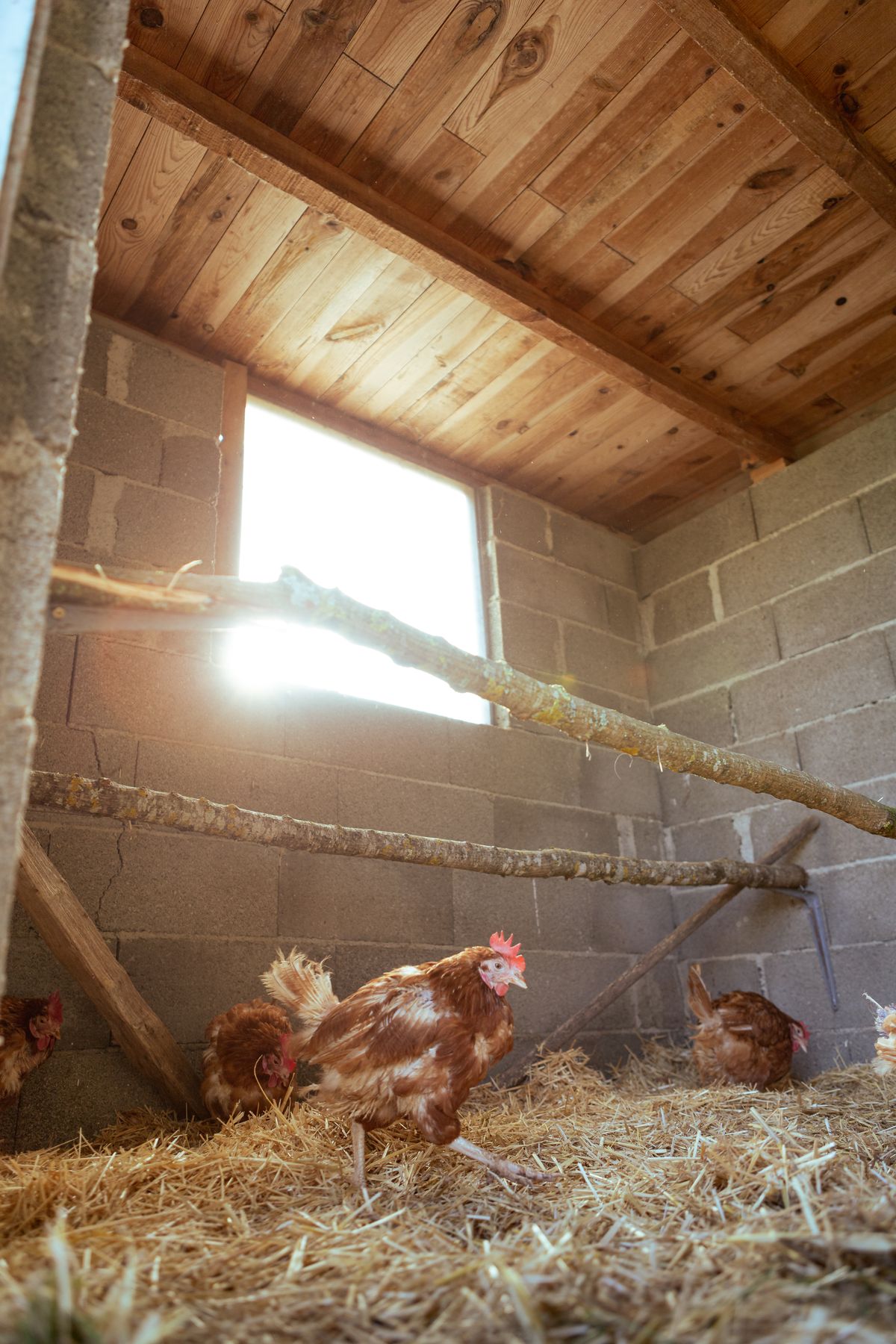
The chicken coop is the single largest expense when starting out, and the choice here has the most long-term consequences. Buying a cheap, poorly made coop is one of the most common and most expensive mistakes new keepers make. Inadequate ventilation leads to respiratory disease; thin wood rots within two winters; insufficient predator-proofing results in fox or marten attacks; doors that warp mean you cannot close the coop securely at night. The cheapest option on the market is rarely the cheapest option over a five-year horizon.
A basic prefabricated wooden coop suitable for 4–6 hens costs between 150 and 400 euros depending on quality and where you buy it. Below 150 euros, materials are usually too thin to last or too poorly ventilated to keep birds healthy. A self-built coop using recycled pallets and reclaimed materials can cost 50–100 euros in materials if you have the tools and time, and can be genuinely solid if the design is sound. At the top end, a well-made wooden or metal coop with predator-proof wire, a rain-shedding roof with overhang, and an integrated run starts at 400 euros and can reach 1,000 euros or more — but it will last a decade or more with basic maintenance. Whatever your budget, prioritise ventilation, a sloped roof with eaves to keep rain out, and a secure closing mechanism for the door.
The birds: what you pay per hen
A ready-to-lay pullet of a commercial hybrid (Isa Brown, Lohmann Brown, or similar) purchased at 18–20 weeks of age costs between 5 and 10 euros from a hatchery distributor in Spain. For a starting flock of four to six hens, that means a bird cost of 20 to 60 euros — a relatively minor part of the total initial investment. Day-old chicks are cheaper per bird (usually 2–4 euros each) but require a heated brooder for the first six weeks and additional equipment, which adds cost and significantly more management effort before the birds ever lay an egg.
If you choose speciality pure breeds rather than commercial hybrids, costs rise substantially. A purebred Marans, Araucana, Cream Legbar, or similar speciality breed typically costs 15–30 euros per bird at laying age. Heritage breed Sussex, Plymouth Rock, or Rhode Island Red pullets from reputable breeders usually fall in the 10–20 euro range. The higher cost reflects the additional effort involved in maintaining purebred lines and the smaller scale of most specialist breeders compared to commercial hatcheries. In most cases, speciality breed birds produce fewer eggs per year than commercial hybrids, so the economics are driven by quality, appearance, or egg colour rather than by production efficiency.
Basic equipment and accessories
Beyond the coop and birds, every keeper needs a feeder, a drinker, nesting box material, and perch space. If your coop does not include integrated nesting boxes (many prefabricated coops do), add one box per every four to five hens — a simple wooden or plastic box costs 10–30 euros. A gravity-fed suspended feeder holding 2–3 kg of feed costs 5–15 euros and significantly reduces waste compared to open troughs. A clean drinker costs 5–20 euros; consider a nipple-style drinker from the start, as these keep water cleaner for longer and dramatically reduce the daily cleaning requirement.
Two additional items that many first-time keepers overlook until after their first problem are a calcium supplement feeder (5 euros for the feeder; oyster shell costs roughly 2–3 euros per kg and lasts weeks) and an automatic door opener. A timer-based or light-sensor automatic door opener costs 30–60 euros and closes the coop reliably every night regardless of whether you remember. It is one of the best investments any new keeper can make and pays for itself entirely the first time it prevents a nocturnal predator attack. Total basic accessory cost: 28–80 euros for the essentials, more if you add the automatic door.
Monthly running costs: feed and bedding
The ongoing cost of keeping 4–6 hens is dominated by feed. A 25 kg bag of complete layer pellets costs between 12 and 18 euros in Spain in 2026, and a flock of four to six hens will consume approximately one bag per month. The exact consumption depends on the breed — commercial hybrids are more feed-efficient than heavier dual-purpose breeds — and on how much the birds forage during the day. A flock with access to a good outdoor area with grass and insects may consume 20–30% less pellet feed than one kept in a bare run with no supplementary food sources.
Bedding is the second regular cost. Wood shavings are the most practical option: a standard 60-litre compressed block (which expands to fill a coop floor) costs around 8–12 euros and lasts four to eight weeks depending on coop size and cleaning method. Straw is cheaper but compacts more quickly, becomes damp faster, and provides a better environment for red mite to hide. The total monthly running cost for 4–6 hens in Spain — feed plus bedding plus calcium — typically falls between 15 and 25 euros, with the exact figure depending on feed brand, local prices, and how much supplementary foraging the birds can do.
First-year total and the question of profitability
Putting the numbers together: initial investment (coop + birds + accessories) ranges from roughly 200 to 550 euros depending on your choices. Annual running costs (feed + bedding + incidentals) add 180 to 300 euros. Total first-year cost: between 380 and 850 euros. From year two, only the running costs continue, so the ongoing annual cost is much lower once the initial setup is paid for.
On the return side, four to six laying hens at peak production can produce between 1,000 and 1,500 eggs per year. At home market prices of 2–3 euros per dozen, that represents a theoretical value of 165–375 euros in eggs annually. The honest conclusion is that keeping chickens is not a financially profitable exercise when all costs are properly accounted for — particularly in the first year. What it provides instead is a reliable supply of very fresh eggs whose quality exceeds anything available in most supermarkets, the meaningful satisfaction of producing part of your own food, a natural system for managing kitchen scraps, and an engaging daily routine that many keepers describe as one of the most rewarding parts of their day.
Key tips for budgeting your first chicken setup
- Do not buy the cheapest coop you can find — poor ventilation and thin wood will cost you more in bird health problems and early replacement than the savings justify.
- Start with four hens rather than six if you are uncertain about commitment — you can always expand, and four birds are much easier to learn with.
- Buy ready-to-lay pullets (18–20 weeks) for your first flock rather than day-old chicks — the brooding phase adds cost, equipment, and management complexity that is unnecessary for beginners.
- Install an automatic door opener from day one rather than waiting for a predator incident to motivate the purchase.
- Nipple-style drinkers cost slightly more upfront but save significant daily cleaning time and keep water healthier — a worthwhile investment from the start.
- Budget 15–25 euros per month for ongoing costs and consider it fixed household expenditure rather than a variable you will manage down — underfed hens produce poorly and are more vulnerable to illness.