Araucana: the Chilean chicken that lays blue eggs and has no tail
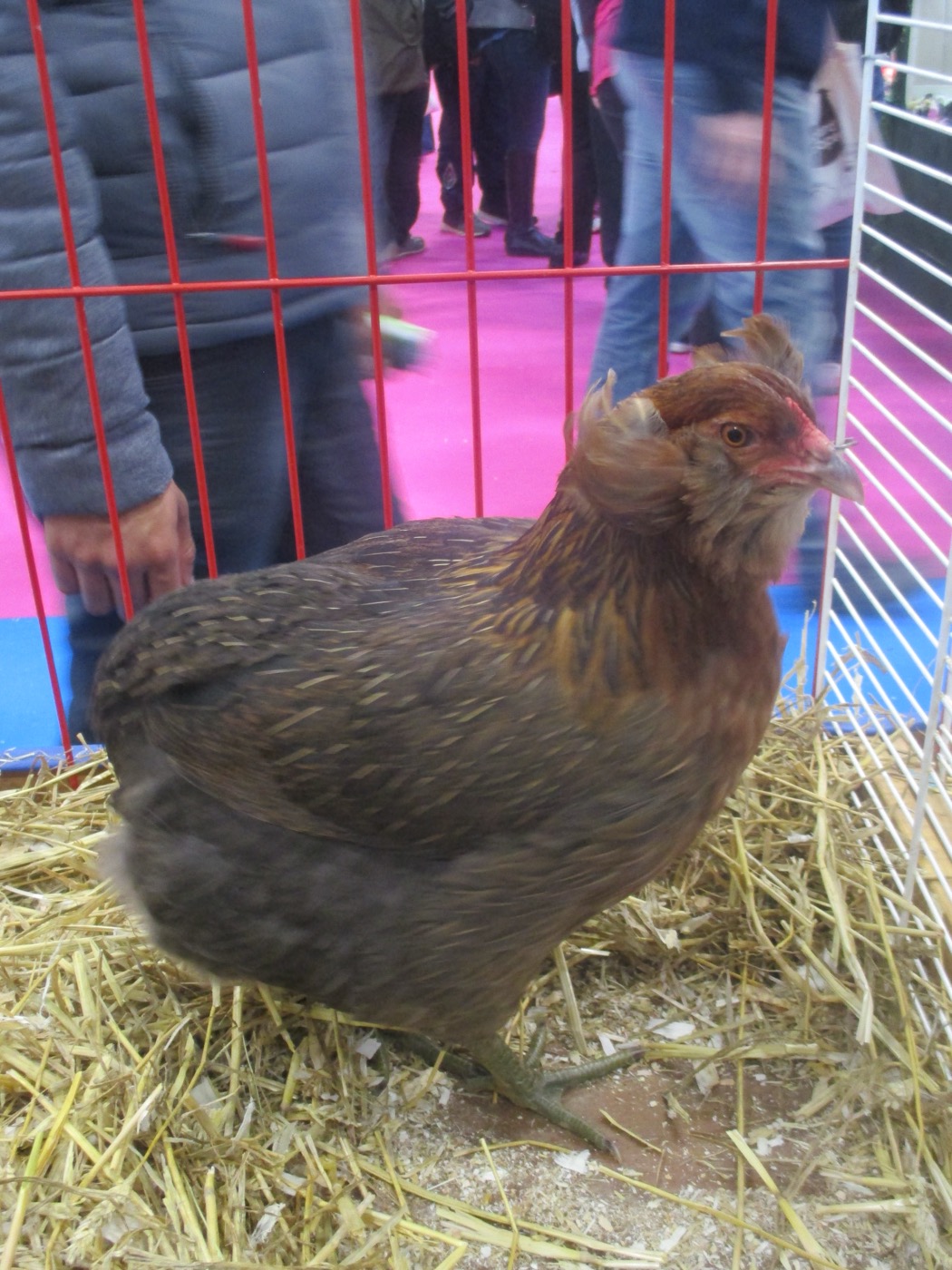
A unique South American origin
The Araucana comes from Chile, where it was raised for centuries by the Mapuche people — also known historically as Araucanos, which is where the breed's name originates. When European colonisers arrived in Chile in the 16th century, they encountered birds with characteristics completely unlike any chicken they had previously known: no tail, small feathered tufts on the cheeks, and most strikingly, eggs of an intense turquoise blue colour. These traits were the result of centuries of natural and selective breeding by indigenous communities, and they were preserved by successive generations of Mapuche farmers who valued this distinctive bird.
The breed was first formally described by the Spanish ornithologist Salvador Castelló in 1914, who presented specimens at the World Poultry Congress held in The Hague. From that point, the Araucana attracted widespread interest from breeders and geneticists around the world who wanted to understand the biological basis of its unusual characteristics. Today the Araucana is recognised by major poultry associations in both Europe and North America, though the standards differ slightly between continents — particularly in how they handle the anuro (tailless) and tuft characteristics.
Three features that make it biologically unique
The true Araucana is defined by three characteristics that are extremely rare in the poultry world. First, it lays eggs of turquoise blue colour due to the oocyan gene, which causes the pigment biliverdin to saturate the entire shell structure during formation — not just the surface. Second, it is rumpless (anuro): a specific genetic mutation eliminates the last few vertebrae, leaving the bird without a tail or a pygostyle (the bone that normally anchors tail feathers). Third, it has ear tufts — small feathered appendages growing from near the ear canal, held in place by a cartilaginous base, giving the bird a distinctive look that no other breed shares.
What makes these traits genetically interesting — and problematic for breeders — is that the anuro gene and the tuft gene are both lethal in homozygosis. A chick that inherits two copies of the tuft gene from both parents does not survive to hatch. This means that even in carefully managed Araucana breeding programmes, embryonic mortality is an unavoidable reality. Breeders work with lines that are heterozygous for these traits, which limits how "pure" the breed can be in the strict genetic sense.
The blue egg: the science behind the colour
The blue colour of Araucana eggs is not a pigment applied to the surface of the shell, as it is in breeds that lay dark brown eggs. It is the result of the oocyan gene causing biliverdin — a bile pigment — to be deposited throughout the shell matrix as it forms in the hen's oviduct. Because the pigment permeates the entire shell from inside to outside, the interior surface of a cracked Araucana egg is also blue-green. This is fundamentally different from the surface-applied brown pigment (protoporphyrin) found in dark-shelled breeds like the Marans.
The intensity of blue in Araucana eggs is generally deeper and more saturated than in Ameraucana or Cream Legbar eggs. The shade can range from a soft pastel blue to an almost vivid turquoise depending on the individual hen, her stage in the laying cycle, and her general health. Earlier in a laying cycle the colour tends to be more intense; it can fade slightly as the cycle progresses. The colour has no effect whatsoever on the nutritional content or flavour of the egg.
Production, temperament and management
The Araucana is not a high-production breed. Under good conditions, a hen will lay between 150 and 180 eggs per year, with laying typically beginning at 22 to 24 weeks of age — somewhat later than commercial hybrids. What it lacks in volume it more than compensates for in the visual uniqueness of its eggs, which command a premium in artisan and direct-sale markets. The breed is also prized by enthusiasts and conservationists who value it for its rarity and genetic heritage.
In terms of temperament, the Araucana is independent, active, and alert. It is not as docile as breeds like the Sussex or Orpington, but it is not aggressive either. It adapts well to free-range environments and is an effective forager, which reduces feed costs if adequate outdoor space is provided. The breed requires competent management — particularly in breeding, given the genetic complexities described above — and is better suited to experienced keepers than to complete beginners. In Spain, pure Araucanas are relatively difficult to source and often command higher prices than common laying breeds.
Who should consider the Araucana
The Araucana is the right breed for those who specifically want the most intensely blue egg colour possible and are willing to work with the genetic realities of the breed. It suits keepers with adequate outdoor space who prefer an active, foraging bird over a placid one. It is also an excellent choice for those interested in direct sales or local markets where coloured eggs attract buyers and justify higher prices — a basket of genuine Araucana eggs is visually striking in a way that few other products can match.
If you are interested in blue eggs but prefer a simpler genetic setup, higher production rates, and a less complex breeding programme, the Ameraucana or Easter Egger are more practical alternatives. Both carry the same oocyan gene and produce blue or blue-green eggs, but without the lethal gene complications. The Araucana is a specialist choice — rewarding for those who commit to understanding it, but potentially frustrating for those who expect the simplicity of a commercial hybrid.
Key tips for keeping Araucana chickens
- If you plan to breed Araucanas, accept that embryonic mortality from the lethal genes is normal — a hatch rate of 60–70% is typical and does not indicate poor incubation conditions.
- Provide abundant outdoor space: this is an active forager that performs poorly in strict confinement and shows stress through restlessness and feather pecking.
- The pea comb makes this breed more cold-tolerant than large-combed breeds — it is a viable choice for northern climates provided the coop is dry and well-ventilated.
- Egg colour intensity is highest at the beginning of each laying cycle and fades slightly over time — this is normal and does not reflect a health problem.
- If sourcing purebred Araucanas, ask breeders about their lineage programme and how they manage the lethal gene issue to avoid disappointment at hatch.
- Handle chicks early and consistently to improve the breed's natural wariness of humans — early habituation makes adult management significantly easier.