Feeding laying hens: what they need and what is unnecessary
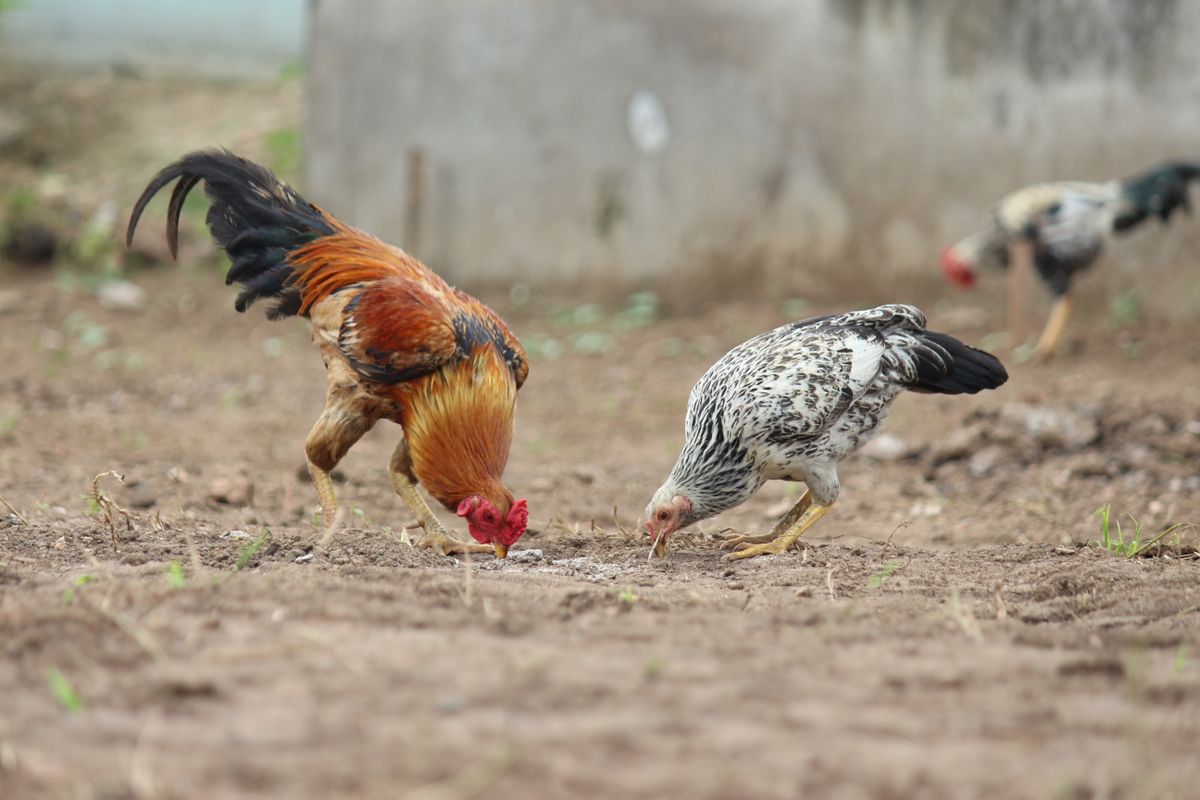
Complete layer feed: the foundation of the diet
Around 80% of a laying hen's daily intake should come from a complete, purpose-formulated layer feed. This feed is balanced to deliver the right levels of protein (typically 16–18%), energy, vitamins and trace minerals that a hen requires to sustain daily egg production without depleting her own body reserves. Feeds sold as "layer pellets" or "layer mash" meet this standard; all-grain mixes, breeder feeds and chick crumbs do not, and substituting them long-term will eventually reduce production and harm health.
The quantity each hen consumes varies by breed, size and season — roughly 100–130 g per day for a typical hybrid layer. Rather than measuring precisely, keep a gravity-fed hopper full at all times and let the hens self-regulate. This approach works well because hens are relatively good at eating to their energy needs. Reduce the proportion of any other foods you offer so the hens eat their full ration of pellets before filling up on lower-quality calories.
Calcium: the critical mineral for strong eggshells
Each egg requires approximately 2 g of calcium just for its shell. A hen producing an egg every 24 to 26 hours has an enormous calcium demand. Although layer pellets include calcium, many hens — especially at peak production or in warm weather when intake drops — benefit significantly from a supplementary source. The standard solution is to keep a separate feeder filled with crushed oyster shell or dried, crushed eggshell. Hens eat from it on demand, taking more when they need it and ignoring it when they do not.
Signs of insufficient calcium include thin or rough-textured shells, shell-less eggs and, in more advanced cases, a condition called cage layer fatigue, where the hen's bones weaken and she struggles to stand. If you are seeing these signs, add calcium supplementation immediately and reassess the base feed quality. Providing a dedicated calcium station is one of the simplest, cheapest interventions that produces a near-immediate improvement in shell quality.
Water: the most underestimated nutrient
A laying hen drinks between 200 and 500 ml of water per day, with intake rising sharply in hot weather. Water is directly involved in egg formation — an egg is roughly 75% water — and a hen deprived of water even for a few hours will often skip laying entirely that day. Clean, fresh water must be available at all times. Restrict access even briefly during summer heat and you will see an immediate drop in daily egg numbers.
Contaminated water is one of the most common causes of digestive infection in backyard flocks. Algae, bacteria and parasites colonise dirty drinkers rapidly, especially in warm temperatures. Clean open waterers every one to two days. Nipple or cup drinkers stay cleaner far longer and are worth the modest extra cost. In winter, check that water has not frozen and break or replace ice as needed — hens will not eat snow to compensate.
Supplements and treats: what is genuinely useful
Leafy greens — kale, spinach, lettuce, chard, grass clippings — are valuable supplements that provide vitamins, fibre and enrichment. Hens genuinely enjoy foraging through a bunch of fresh greens hung at head height. Cooked or raw vegetable scraps (excluding the foods listed below), fruit offcuts in moderation, and mealworms or other insects as a high-protein treat are all suitable. Plain, whole grains such as wheat or corn can be scattered in the run for enrichment, but keep grain to no more than 10% of total intake to avoid diluting the nutritional quality of the diet.
Fermented feed is worth considering if you want to improve digestibility and gut health. Soaking pellets or a grain-legume mix in water for 48–72 hours at room temperature produces a lightly fermented product that many hens prefer and that research suggests improves nutrient absorption. It also makes the feed go slightly further. The drawback is that it requires daily preparation and cannot be left in the feeder for more than a few hours before it starts to spoil in warm weather.
Foods that should never enter the coop
Avocado is genuinely toxic to chickens — the compound persin found in the flesh, skin and pip causes cardiac and respiratory failure. Chocolate contains theobromine, which is similarly dangerous. Large quantities of onion or garlic can cause haemolytic anaemia over time, though a small amount of garlic is tolerated and has documented antiparasitic effects. Highly salted food, processed snacks and mouldy or spoiled items of any kind should all be kept out of the feeder.
Raw potato and raw potato peel contain solanine, a glycoalkaloid that is harmful in significant quantities, though small amounts of cooked potato are generally tolerated. Citrus in large amounts can interfere with calcium absorption. As a practical rule: if the food has gone off or contains added salt, sugar, or chemical preservatives, it has no place in the chicken diet. Fresh, natural foods and a quality layer feed cover everything your hens need.
Practical feeding tips for laying hens
- Use a gravity-fed hopper for layer pellets so hens have constant access and you avoid the daily task of measuring portions.
- Place the calcium feeder (oyster shell) separate from the main feed so each hen can take what she needs individually.
- Clean open waterers every 1–2 days; in summer, rinse and refill daily to prevent bacterial growth.
- Limit treats and scraps to no more than 20% of total intake — too many extras dilute the balanced nutrition of layer feed.
- Hang leafy greens at head height to encourage natural pecking behaviour and provide enrichment alongside nutrition.
- Never offer avocado, chocolate, mouldy food or heavily salted scraps — these can be acutely toxic to hens.