10 mistakes everyone makes when starting with chickens
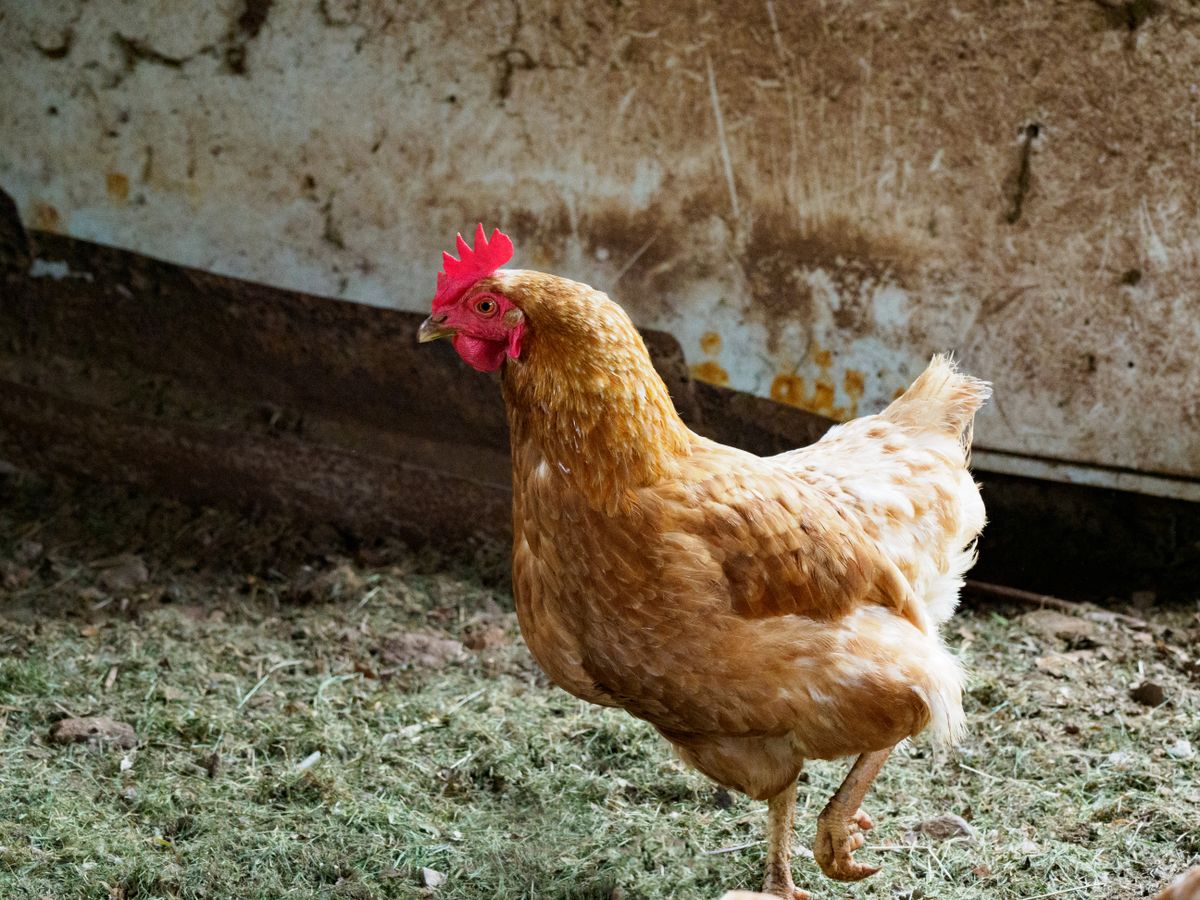
Mistakes 1–3: Space, calcium and flock size
The single most common mistake new chicken keepers make is underestimating how much space their birds actually need. Many people buy four or five chickens and a coop designed for two, and the consequences are immediate: stress, feather pecking, and a sharp drop in egg production. The minimum rule is 1 m² of enclosed sleeping space plus 3 m² of outdoor run per bird. If you are unsure whether your setup is large enough, always err on the side of more room — overcrowded chickens are unhappy, unhealthy and unproductive.
Without adequate calcium, a laying hen has no choice but to draw on her own bone reserves to build eggshells. The result is thin or shell-less eggs, and over time serious skeletal problems in the hen. Layer pellets contain some calcium, but rarely enough for a hen at peak production. The solution is simple: offer a separate feeder with oyster shell or crushed, clean eggshell at all times, so each hen can self-regulate her intake depending on her laying cycle.
Starting with eight or ten chickens when you have no prior experience is a recipe for overwhelm. You are still learning to read behaviour, manage the coop and handle health checks. Start with three or four birds, get comfortable with the rhythm of daily care, and expand only once you feel confident. Three hens managed well will produce more eggs than ten hens managed poorly.
Mistakes 4–6: Ventilation, night security and diet
A closed, poorly ventilated coop accumulates ammonia from droppings and excess humidity from the birds' breathing. Both damage respiratory tissue, suppress immunity and make the flock vulnerable to chronic infections like mycoplasmosis. The fix is straightforward: install mesh-covered openings on the upper portion of opposite walls. Air should circulate above the birds' heads, not blow directly over them at perch level. If you can smell ammonia strongly when you open the coop door in the morning, ventilation is inadequate.
Foxes, martens and other predators are active at night. If you leave the coop door open after dusk it is not a question of if something will get in, but when. An automatic door opener with a light sensor costs between 30 and 60 euros and closes the door reliably every evening regardless of whether you remember. It is one of the best investments a beginner can make, and it pays for itself the very first time you fall asleep before closing up.
Kitchen scraps make an excellent supplement, but they cannot replace a nutritionally balanced feed. Without adequate protein, vitamins and the correct energy-to-nutrient ratio, production drops and hens enter a poor condition that makes them vulnerable to disease and slow to moult back into production. Complete layer pellets should represent around 80% of daily intake. Treats — including grains, greens and kitchen off-cuts — should make up no more than the remaining 20%, ideally less.
Mistakes 7–9: Water hygiene, flock integration and health monitoring
Drinkers that are not cleaned regularly become breeding grounds for bacteria, algae and parasites. A hen drinking contaminated water can develop digestive and systemic infections faster than almost any other route. Clean waterers at minimum every two days in cool weather, every day in summer. Nipple drinkers reduce contamination significantly compared to open troughs, and they pay for themselves in reduced veterinary costs and better flock health over a single season.
Introducing young pullets directly into an established adult flock almost always ends badly for the newcomers. Adult hens have a firm social hierarchy, and strangers — especially smaller, younger ones — are attacked, driven from feeders and sometimes seriously injured. The correct approach is a two-week visual introduction: place the new birds in an adjacent pen where the established hens can see and smell them through the wire, but cannot reach them. After that period, open a gap and allow supervised mixing over several days.
Chickens are prey animals and instinctively mask signs of illness until they can no longer sustain the effort. By the time a chicken looks visibly sick — sitting hunched, feathers puffed, refusing food or water for more than 24 hours — the disease has often progressed considerably. Check your flock every day. Isolate any bird showing symptoms immediately to prevent spread, then investigate the cause or call a poultry vet. Waiting costs time, money and often more birds.
Mistake 10: Skipping vaccination
Marek's disease and Newcastle disease are both viral, both highly contagious and both effectively untreatable once a flock is infected. Marek's causes tumours and paralysis; Newcastle causes severe respiratory and neurological symptoms with very high mortality. There is no cure for either — but there are reliable, affordable vaccines that prevent them. If you buy day-old chicks from a hatchery, confirm that Marek's vaccination is included. Newcastle vaccination schedules vary by region; ask your vet what is recommended for your area and follow it.
Many beginners skip vaccination because they are keeping only a small flock and assume the risk is low. In practice, backyard flocks are often at higher risk than commercial operations because they come into contact with wild birds, visiting ducks and chickens from neighbours. A single exposure can wipe out an unvaccinated flock in days. Vaccination is not expensive relative to the cost of replacing birds and the emotional impact of losing animals you have cared for.
Key tips for new chicken keepers
- Always size the coop for more birds than you currently have — you will almost certainly want to expand.
- Offer oyster shell in a separate feeder, not mixed into the feed, so hens can self-regulate calcium intake.
- Install an automatic door opener before your first night with chickens, not after your first loss.
- Clean waterers every 1–2 days; bacteria build up faster than most beginners expect.
- Introduce new birds through a wire partition for at least two weeks before allowing direct contact with established hens.
- Check vaccination status when buying chicks and keep a simple health diary so you notice changes in behaviour early.